
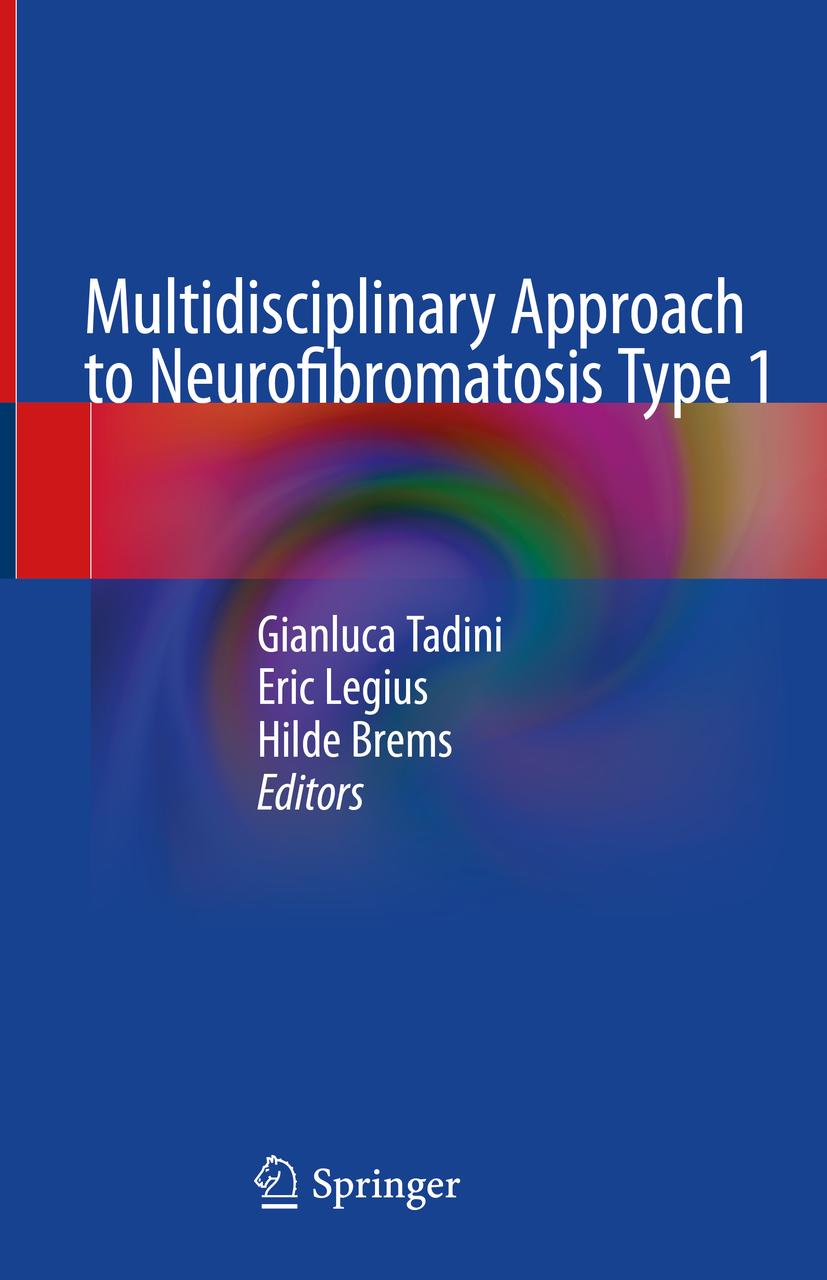
This volume offers an update of the clinical signs, diagnostic criteria (including molecular diagnosis) and targeted therapies for a particular type of genodermatosis, providing a handy and unique tool for early diagnosis. In recent years, our understanding of genodermatosis and neurocutaneous syndromes has increased, but although Type 1 Neurofibromatosis (NF1) is the most common neuroectodermal disorder and involves a large number of patients and medical disciplines, this syndrome remains underestimated, often misdiagnosed thus leading to inaccurate treatment. The literature on the molecular and pathogenetic aspects is ample, but current clinical approaches, classification, diagnostic criteria and treatment protocols are outdated, creating difficulties in early diagnosis and treatment. As such, a chapter is devoted renewing current diagnostic criteria; it includes clinical and molecular data, to offer a sound, updated discussion basis for a consensus conference.
NF1 is a “time-dependent” disorder, meaning that the onset of clinical signs are closely linked to patient age and the book discusses this particularly neglected aspect extensively, as well as the latest molecular diagnosis techniques, which are highly sensitive have not been included in the diagnostic criteria. It also explains the role of the RAS-MAPK pathway and genotype-phenotype correlations.
In addition it explores new concepts concerning the pathogenesis of neurofibromas and other hamarthomas and their relevance for a modern therapeutical approach with targeted molecular drugs, as well as newly discovered aspects of NF1 in all internal organs, together with their diagnostic counterparts. A chapter on mosaic neurofibromatosis is also included. There is a particular focus on differential diagnosis (i.e. other diseases with café-au-lait macules), and the recently described Legius syndrome will be presented directly by Prof Eric Legius.
All chapters are easy-to-understand, up-to-date, comprehensive and concise tools and are intended for a wide range of professionals involved with genetic disorders of the skin and neurocutaneous diseases: dermatologists, pediatricians, neurologists, oncologists and general practitioners.
Zahle einfach mit Karte, Klarna, Apple Pay oder Google Pay. Nicht zufrieden? Du hast immer ein 14-tägiges Widerrufsrecht. Lies mehr in unseren AGB. Hast du Fragen, schreib uns eine E-Mail an hello@memmo.org.
Memmo macht das Lernen einfacher – wo auch immer du bist. Bei uns findest du deine Kursbücher und smarte Lerntools an einem Ort: Zusammenfassungen, Quizzes, Podcasts und Lernkarten. Und Ted, dein Lernbuddy, beantwortet alles, was du wissen möchtest. Über 50.000 Studierende lernen bereits hier – gemacht, damit du schneller lernst und weniger Stress hast.