
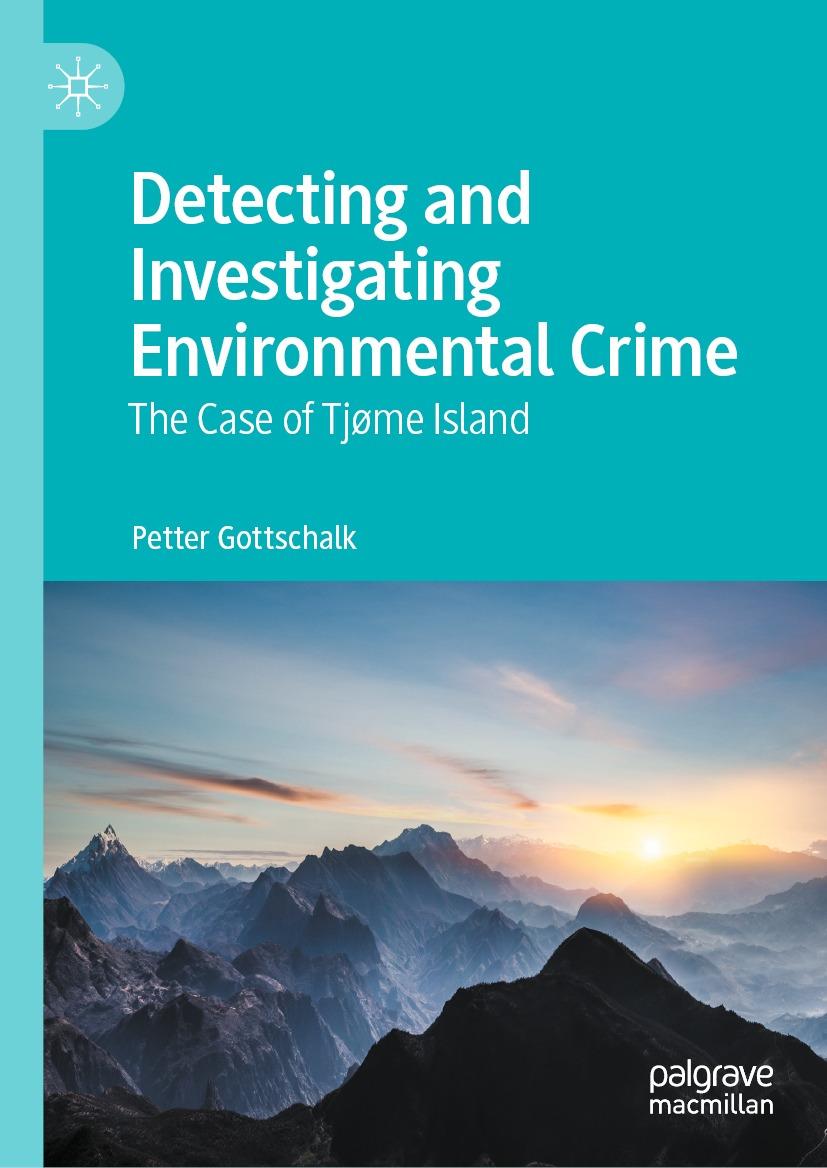
This book discusses environmental crime and individual wrongdoing. It uses the theory of convenience throughout to examine financial motives, attractive opportunities, and personal willingness to explain deviant behavior. This book focusses primarily on the case study of the Island of Tjøme in Norway, an attractive resort where building permits were repeatedly granted to rich people in a protected zone along the shoreline. This book investigates how these crimes were detected and investigated by police over a few years with the help of whistleblowers. It discusses the interplay between the potentially corrupt public officials, professionals like architects and attorneys, and rich individuals, as an interesting and challenging arena for law enforcement. It covers attorneys’ defense strategies, evaluates private internal policing, and provides insights for those investigating individuals involved in environmental crime. It also examines the Vest Tank toxic waste dumping case and the resulting explosion where unusually both the chairperson and the chief executive were successfully sentenced to prison because of environmental crime, unlike many other environmental crime cases where individuals avoid prison. The case studies are drawn from Norway to supplement more well-known casestudies from the USA.
Zahle einfach mit Karte, Klarna, Apple Pay oder Google Pay. Nicht zufrieden? Du hast immer ein 14-tägiges Widerrufsrecht. Lies mehr in unseren AGB. Hast du Fragen, schreib uns eine E-Mail an hello@memmo.org.
Memmo macht das Lernen einfacher – wo auch immer du bist. Bei uns findest du deine Kursbücher und smarte Lerntools an einem Ort: Zusammenfassungen, Quizzes, Podcasts und Lernkarten. Und Ted, dein Lernbuddy, beantwortet alles, was du wissen möchtest. Über 50.000 Studierende lernen bereits hier – gemacht, damit du schneller lernst und weniger Stress hast.