
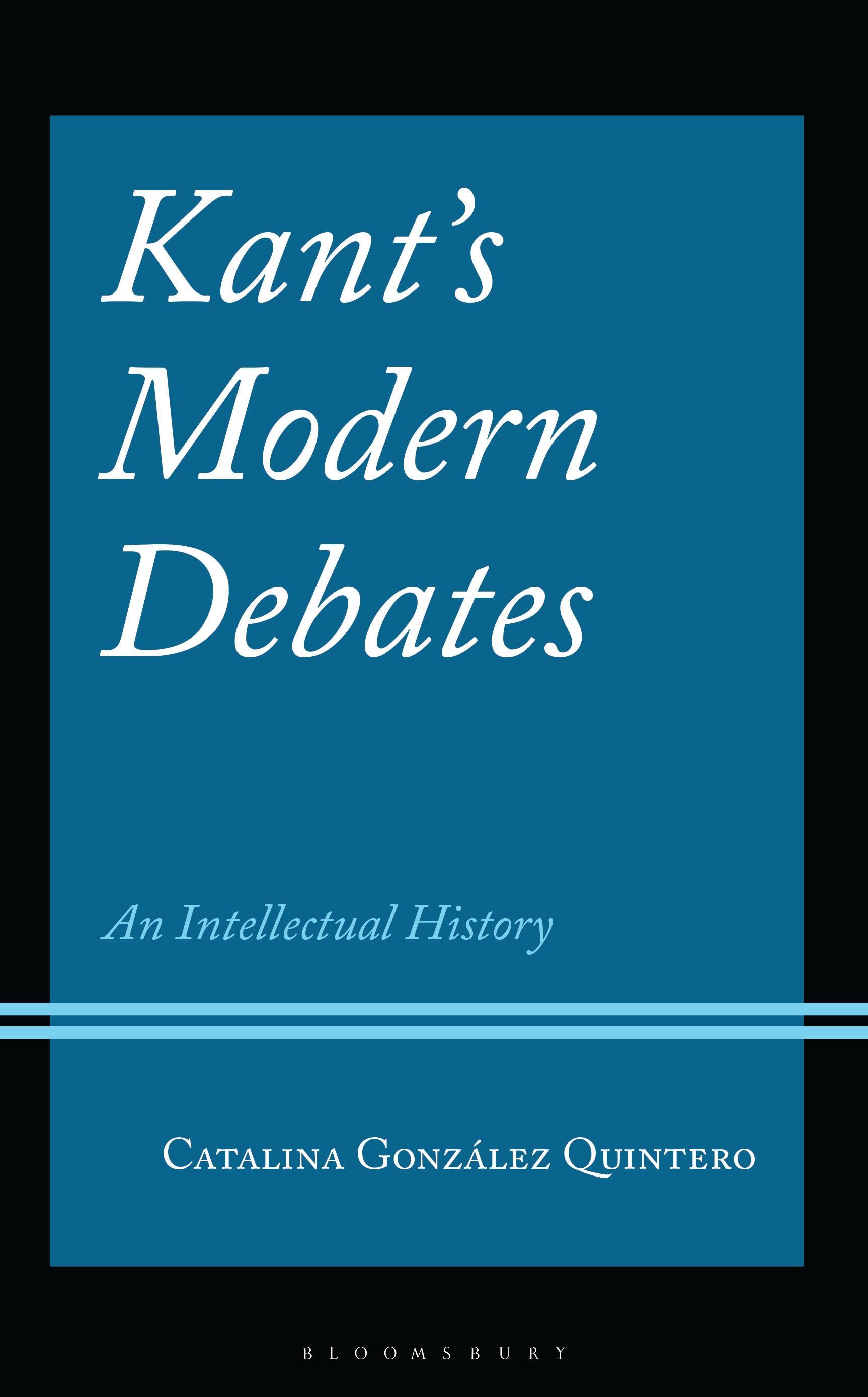
Resituating Kant's work within the Western modern historical tradition provides insight into the originality of his views against the background of pervasive intellectual discussions in the 18th century.
Catalina González embeds essential aspects of Kant's epistemology, metaphysics, morals, and aesthetics into philosophical debates and discussions that, although central to modernity, have not been sufficiently explored by Kantian scholarship. These contexts include disputes between skeptics and anti-skeptics, debates over deism and natural theology, controversies about animal minds, discussions on the foundations of morality, and aesthetic conversations regarding the sublime.
The book's historical perspective is further supplied by a set of methodological reflections drawn from the heterogeneous field of studies of “intellectual history.” It intertwines insights from the Cambridge School of Political Thought or the German Begriffsfgeschichte, and from a wide variety of historians of philosophy, with the analysis of Kant's texts and Kantian scholarship to provide a novel and rigorous account of the historical formation of specific aspects of Kant's thought.
Catalina González embeds essential aspects of Kant's epistemology, metaphysics, morals, and aesthetics into philosophical debates and discussions that, although central to modernity, have not been sufficiently explored by Kantian scholarship. These contexts include disputes between skeptics and anti-skeptics, debates over deism and natural theology, controversies about animal minds, discussions on the foundations of morality, and aesthetic conversations regarding the sublime.
The book's historical perspective is further supplied by a set of methodological reflections drawn from the heterogeneous field of studies of “intellectual history.” It intertwines insights from the Cambridge School of Political Thought or the German Begriffsfgeschichte, and from a wide variety of historians of philosophy, with the analysis of Kant's texts and Kantian scholarship to provide a novel and rigorous account of the historical formation of specific aspects of Kant's thought.
Zahle einfach mit Karte, Klarna, Apple Pay oder Google Pay. Nicht zufrieden? Du hast immer ein 14-tägiges Widerrufsrecht. Lies mehr in unseren AGB. Hast du Fragen, schreib uns eine E-Mail an hello@memmo.org.
Memmo macht das Lernen einfacher – wo auch immer du bist. Bei uns findest du deine Kursbücher und smarte Lerntools an einem Ort: Zusammenfassungen, Quizzes, Podcasts und Lernkarten. Und Ted, dein Lernbuddy, beantwortet alles, was du wissen möchtest. Über 50.000 Studierende lernen bereits hier – gemacht, damit du schneller lernst und weniger Stress hast.