
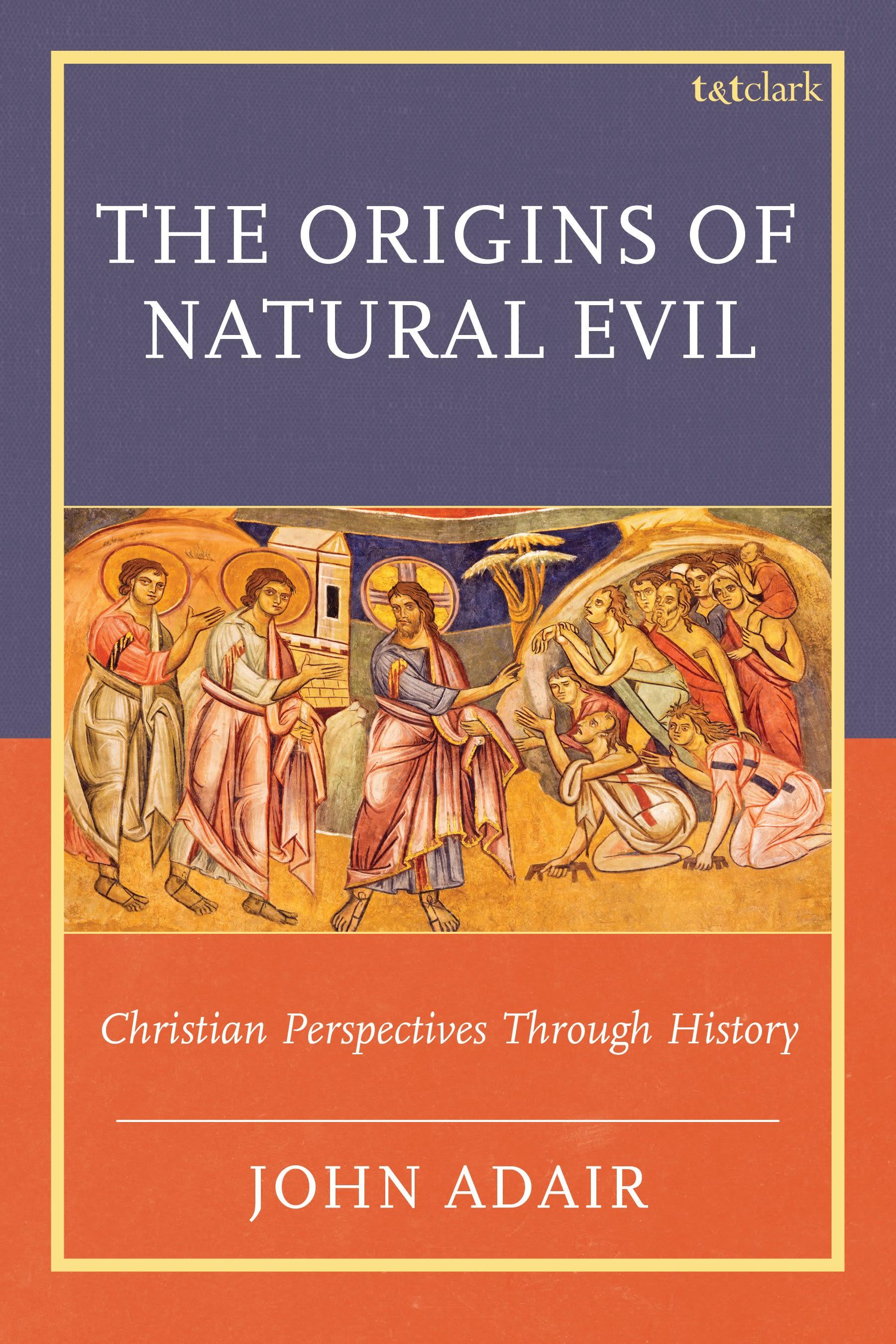
This book presents a historical overview of how Christians have described and negotiated the causes of natural evil.
Within the context of his study, John Adair defines natural evil as evils that are not an obvious, direct result of moral compromise initiated by the free choice of a moral agent, but rather stem from nature itself-e.g., natural disasters, illness, or loss of life. While historical Christian communities' justifications for and responses to natural evil has evolved over time, Adair traces how Christian theodicy rests on a firm commitment to God's goodness. Across seven chapters, this book narrates this evolution of thought, focusing on key figures in history who illustrate the theological continuity around God's goodness. In doing so, Adair builds a theological conversation, prompting readers to consider the collective weight of this historic response to questions of natural evil and query how a response which affirms God's goodness might impact our own reactions to questions of God's relation to the horrors of our daily lives.
Within the context of his study, John Adair defines natural evil as evils that are not an obvious, direct result of moral compromise initiated by the free choice of a moral agent, but rather stem from nature itself-e.g., natural disasters, illness, or loss of life. While historical Christian communities' justifications for and responses to natural evil has evolved over time, Adair traces how Christian theodicy rests on a firm commitment to God's goodness. Across seven chapters, this book narrates this evolution of thought, focusing on key figures in history who illustrate the theological continuity around God's goodness. In doing so, Adair builds a theological conversation, prompting readers to consider the collective weight of this historic response to questions of natural evil and query how a response which affirms God's goodness might impact our own reactions to questions of God's relation to the horrors of our daily lives.
Zahle einfach mit Karte, Klarna, Apple Pay oder Google Pay. Nicht zufrieden? Du hast immer ein 14-tägiges Widerrufsrecht. Lies mehr in unseren AGB. Hast du Fragen, schreib uns eine E-Mail an hello@memmo.org.
Memmo macht das Lernen einfacher – wo auch immer du bist. Bei uns findest du deine Kursbücher und smarte Lerntools an einem Ort: Zusammenfassungen, Quizzes, Podcasts und Lernkarten. Und Ted, dein Lernbuddy, beantwortet alles, was du wissen möchtest. Über 50.000 Studierende lernen bereits hier – gemacht, damit du schneller lernst und weniger Stress hast.