
Individuating action depends upon how people comprehend value judgements about the consequences of an action to distinguish-or not to distinguish-between them.
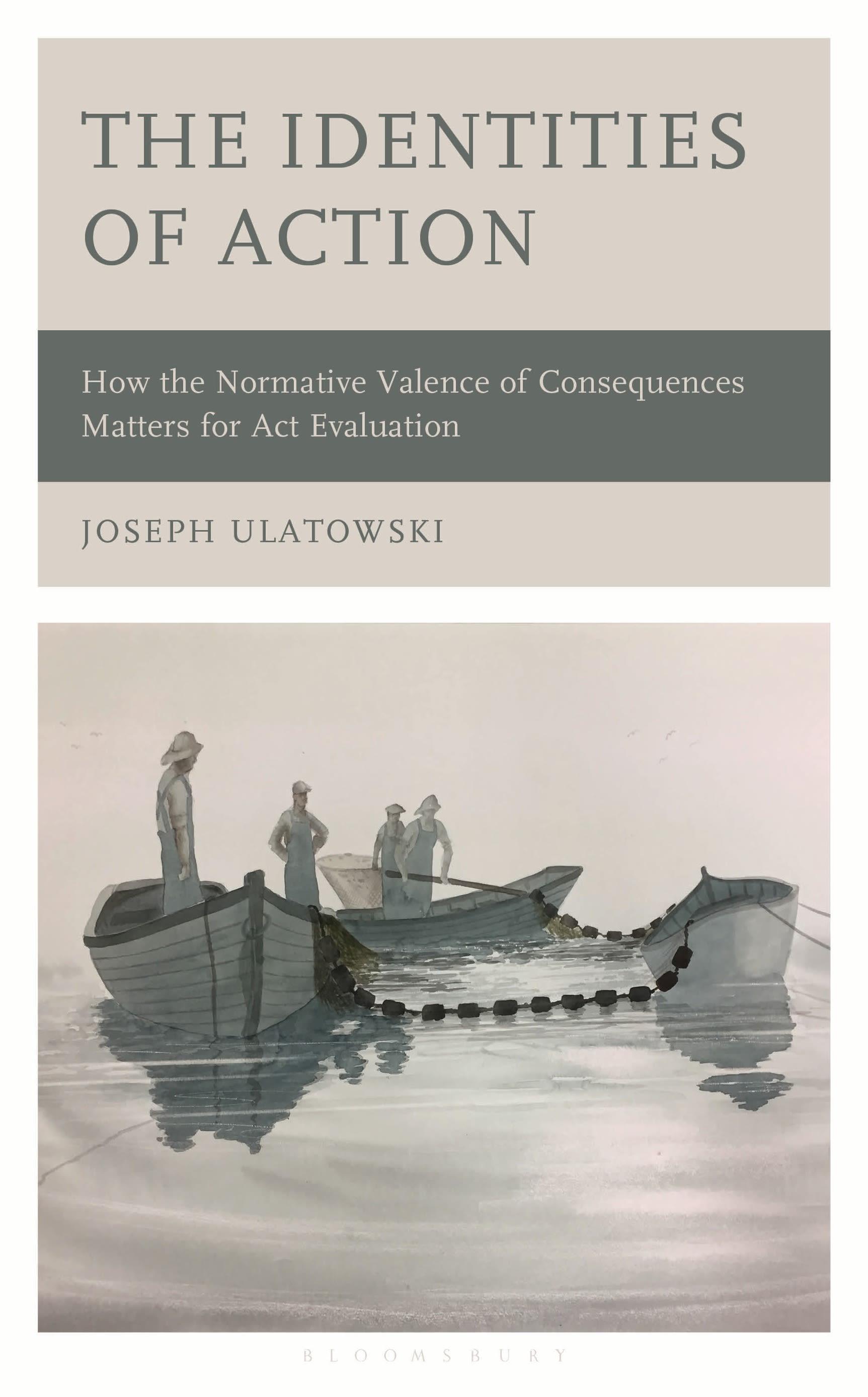
The question “what is action?” cannot be fully addressed until it is established whether two action descriptions-whether in law, business, insurance policies, or ordinary conversation-refer to the same or different actions. This book approaches the problem of action individuation by arguing for a variantist account, where the moral valence of the consequences of an action plays a foundational role in distinguishing between actions. Actions with bad consequences are associated with the originating act from which the action arises; actions with positive consequences are separate from their originating act. When we consider whether a bad or good consequence is identical to an originating action, the normative valence of the consequences of the action matter. Drawing from an empirical assessment that tests non-philosophers' intuitions about individuating actions, along with real-world examples, Joseph Ulatowski explores the practical and philosophical significance of how we distinguish between actions.
The question “what is action?” cannot be fully addressed until it is established whether two action descriptions-whether in law, business, insurance policies, or ordinary conversation-refer to the same or different actions. This book approaches the problem of action individuation by arguing for a variantist account, where the moral valence of the consequences of an action plays a foundational role in distinguishing between actions. Actions with bad consequences are associated with the originating act from which the action arises; actions with positive consequences are separate from their originating act. When we consider whether a bad or good consequence is identical to an originating action, the normative valence of the consequences of the action matter. Drawing from an empirical assessment that tests non-philosophers' intuitions about individuating actions, along with real-world examples, Joseph Ulatowski explores the practical and philosophical significance of how we distinguish between actions.
Zahle einfach mit Karte, Klarna, Apple Pay oder Google Pay. Nicht zufrieden? Du hast immer ein 14-tägiges Widerrufsrecht. Lies mehr in unseren AGB. Hast du Fragen, schreib uns eine E-Mail an hello@memmo.org.
Memmo macht das Lernen einfacher – wo auch immer du bist. Bei uns findest du deine Kursbücher und smarte Lerntools an einem Ort: Zusammenfassungen, Quizzes, Podcasts und Lernkarten. Und Ted, dein Lernbuddy, beantwortet alles, was du wissen möchtest. Über 50.000 Studierende lernen bereits hier – gemacht, damit du schneller lernst und weniger Stress hast.