
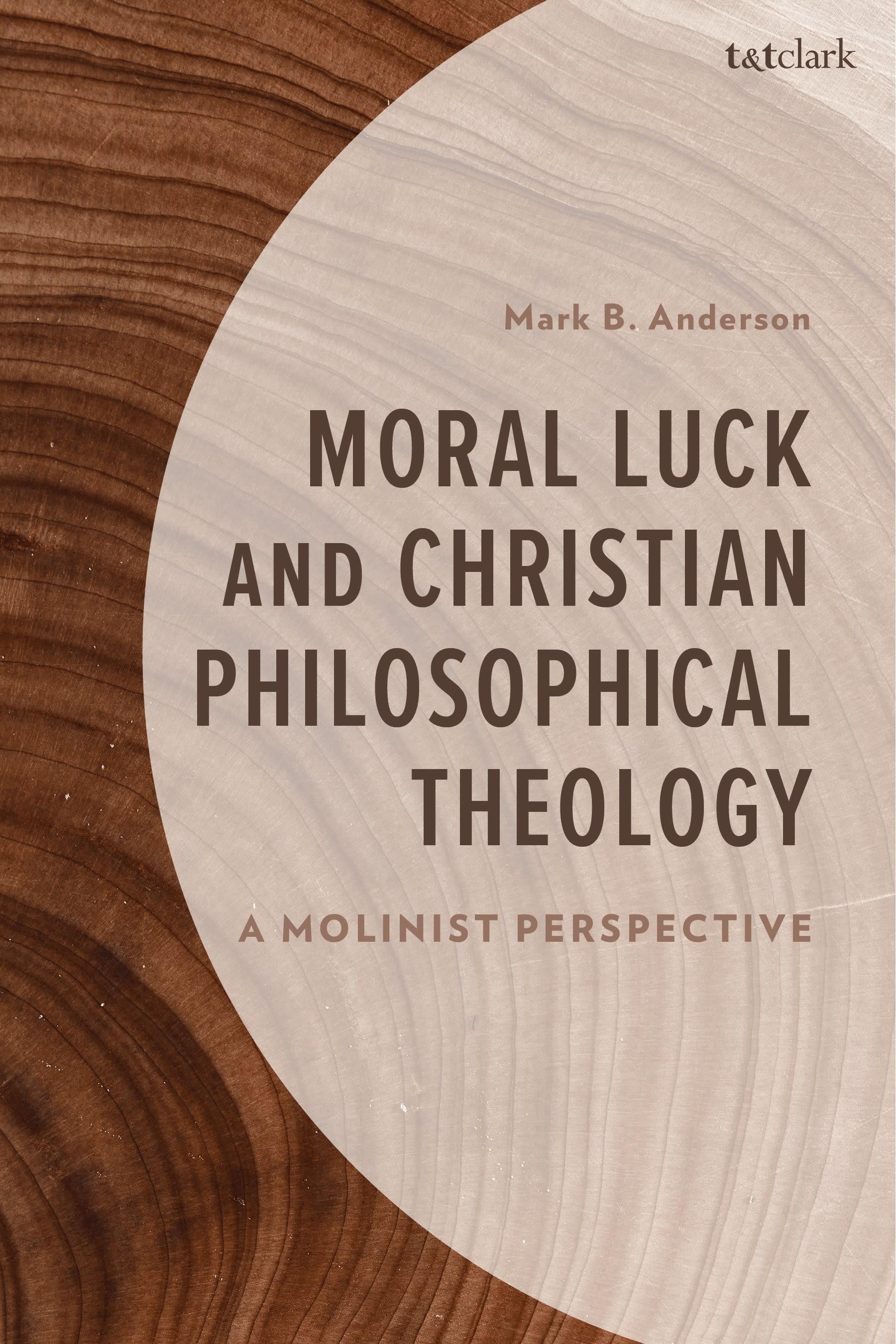
Can we be held responsible for factors beyond our control? Would a just God judge us differently because of luck, or even divine manipulation? Can a fair and just evaluation of humanity result in a universally failing grade?
Moral Luck and Christian Philosophical Theology: A Molinist Perspective engages these questions by tackling the intersection of Christian theology and the moral luck dispute. The solution it offers, building upon the work of Michael Zimmerman, is to develop a counterfactual account of moral responsibility, which eliminates all forms of moral luck. Anderson argues that this solution will carry two metaphysical commitments associated with the molinist model of divine providence: counterfactuals of libertarian freedom and a haecceity view of personal identity. He then develops the account from a moral perspective, examining how we can meaningfully engage the luck-bound world around us without the burden of moral luck. Finally, he examines the theological ramifications of the view, explaining how it is that all human persons may be inescapably and deeply culpable (suffering from original sin) in a way that is consistent with God's justice and love, and how we yet remain capable of a kind of moral restoration. Anderson's suggestion is a radical one, but it offers new avenues for Christian theology while preserving the essential core of the Christian tradition.
Moral Luck and Christian Philosophical Theology: A Molinist Perspective engages these questions by tackling the intersection of Christian theology and the moral luck dispute. The solution it offers, building upon the work of Michael Zimmerman, is to develop a counterfactual account of moral responsibility, which eliminates all forms of moral luck. Anderson argues that this solution will carry two metaphysical commitments associated with the molinist model of divine providence: counterfactuals of libertarian freedom and a haecceity view of personal identity. He then develops the account from a moral perspective, examining how we can meaningfully engage the luck-bound world around us without the burden of moral luck. Finally, he examines the theological ramifications of the view, explaining how it is that all human persons may be inescapably and deeply culpable (suffering from original sin) in a way that is consistent with God's justice and love, and how we yet remain capable of a kind of moral restoration. Anderson's suggestion is a radical one, but it offers new avenues for Christian theology while preserving the essential core of the Christian tradition.
Zahle einfach mit Karte, Klarna, Apple Pay oder Google Pay. Nicht zufrieden? Du hast immer ein 14-tägiges Widerrufsrecht. Lies mehr in unseren AGB. Hast du Fragen, schreib uns eine E-Mail an hello@memmo.org.
Memmo macht das Lernen einfacher – wo auch immer du bist. Bei uns findest du deine Kursbücher und smarte Lerntools an einem Ort: Zusammenfassungen, Quizzes, Podcasts und Lernkarten. Und Ted, dein Lernbuddy, beantwortet alles, was du wissen möchtest. Über 50.000 Studierende lernen bereits hier – gemacht, damit du schneller lernst und weniger Stress hast.