
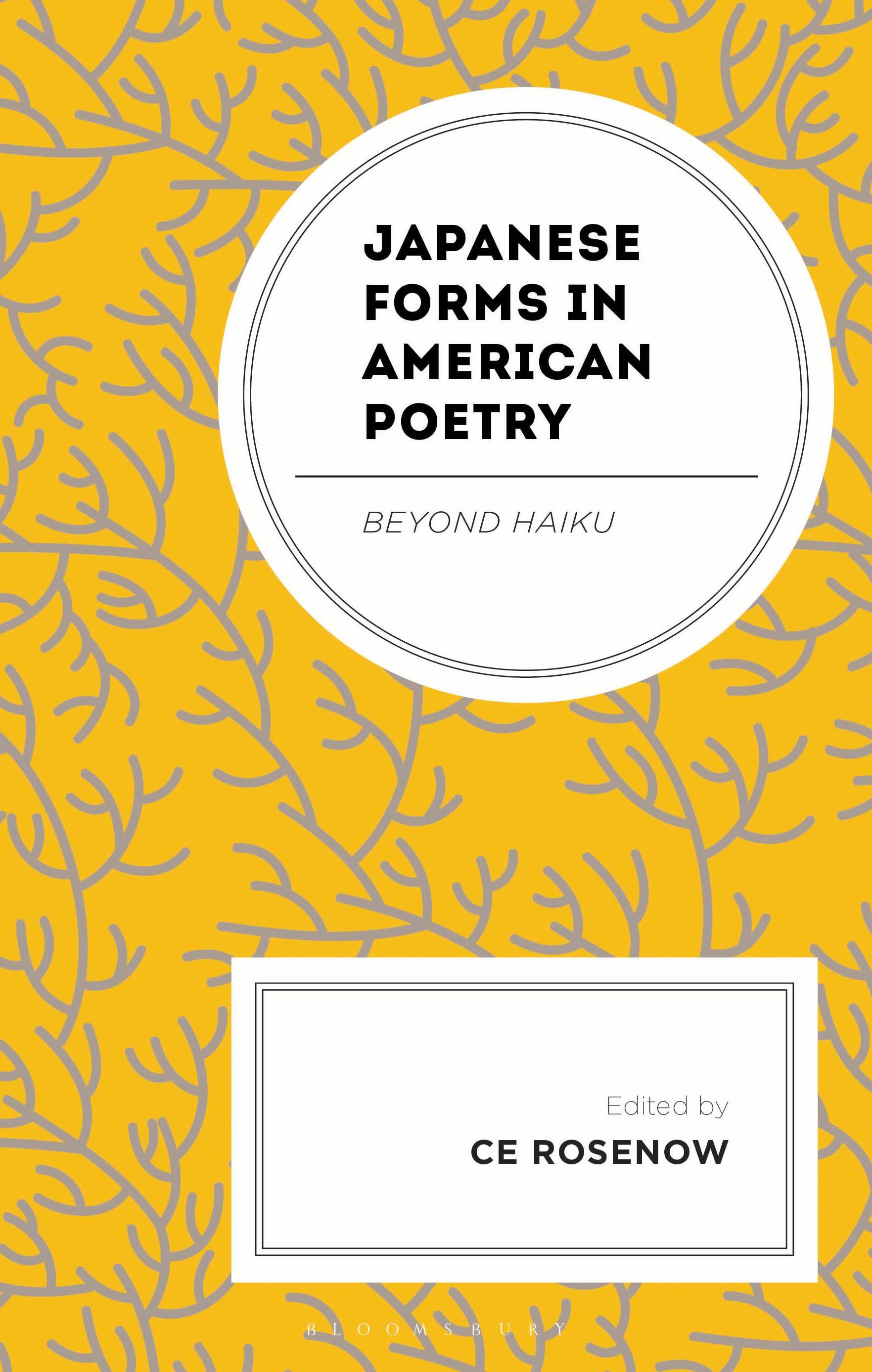
Analyzing the poetic forms of haibun, linked verse, senryu, and tanka, this collection argues that these traditional Japanese methods have established themselves in American poetry.
Beginning with its Japanese origins and continuing through its development in the United States, the contributors demonstrate how these poetic forms have existed alongside haiku for more than a century while drawing attention to their use within contemporary poetry. Over time, they have gained popularity among both haiku and non-haiku poets alike, leading to a wide variety of innovative approaches.
Beginning with its Japanese origins and continuing through its development in the United States, the contributors demonstrate how these poetic forms have existed alongside haiku for more than a century while drawing attention to their use within contemporary poetry. Over time, they have gained popularity among both haiku and non-haiku poets alike, leading to a wide variety of innovative approaches.
Zahle einfach mit Karte, Klarna, Apple Pay oder Google Pay. Nicht zufrieden? Du hast immer ein 14-tägiges Widerrufsrecht. Lies mehr in unseren AGB. Hast du Fragen, schreib uns eine E-Mail an hello@memmo.org.
Memmo macht das Lernen einfacher – wo auch immer du bist. Bei uns findest du deine Kursbücher und smarte Lerntools an einem Ort: Zusammenfassungen, Quizzes, Podcasts und Lernkarten. Und Ted, dein Lernbuddy, beantwortet alles, was du wissen möchtest. Über 50.000 Studierende lernen bereits hier – gemacht, damit du schneller lernst und weniger Stress hast.