
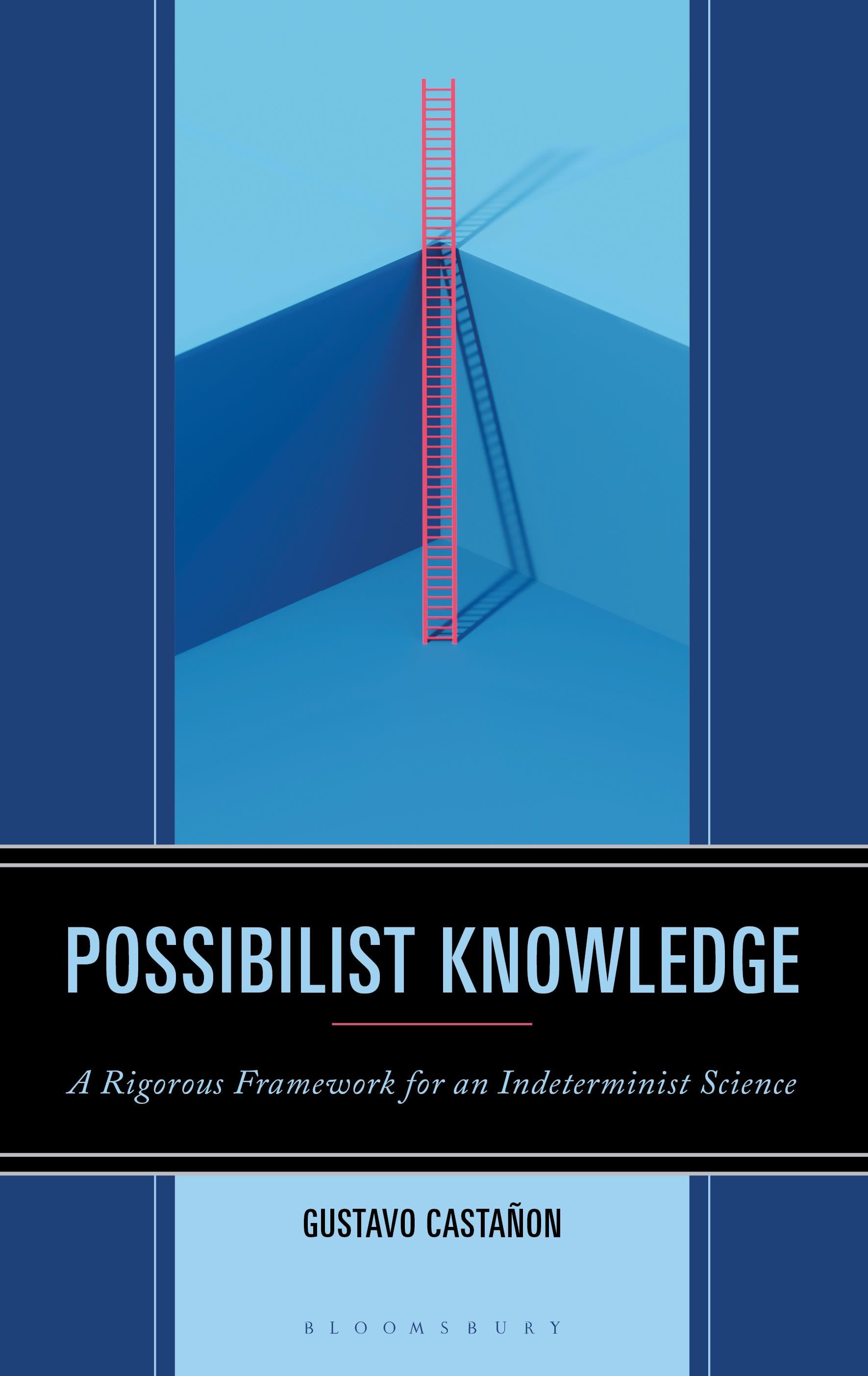
Possibilist knowledge is the kind of scientific knowledge about what makes something possible or impossible in a given context, given the satisfaction or absence of a necessary condition, and which is formed by possibilist laws and explanations.
Unlike knowledge of physical necessity, which states what must occur, or probabilistic knowledge, which indicates what is likely to occur, possibilist knowledge delineates the boundaries of what can and cannot happen. Possibilist laws are strict laws stating necessary conditions for events, and possibilist explanations show how apparently impossible or improbable phenomena could have occurred under specified conditions.
Building on new tools such as permissive and preventive conditions, this book rectifies longstanding problems in the philosophy of science, from the “how-possibly” explanations to mechanisms and negative causation, reconsidering the deductive–nomological model of explanation in a renewed light. Drawing examples from physics, biology, social sciences, psychology, and neuroscience, it demonstrates that possibilist reasoning is already pervasive, though unacknowledged, and essential for understanding multicausality and constraints in complex systems. In psychology, possibilist knowledge provides a methodological basis for unifying the discipline and reconciling scientific rigor with human freedom. More broadly, possibilism challenges the modern identification of science with determinism, showing that we can preserve exact science without assuming a deterministic universe. By offering a framework that compatibilizes scientific laws with the presumption of agency and responsibility, the book contributes to resolving one of the most enduring cultural conflicts: the tension between determinism, free will, and the authority of science.
Unlike knowledge of physical necessity, which states what must occur, or probabilistic knowledge, which indicates what is likely to occur, possibilist knowledge delineates the boundaries of what can and cannot happen. Possibilist laws are strict laws stating necessary conditions for events, and possibilist explanations show how apparently impossible or improbable phenomena could have occurred under specified conditions.
Building on new tools such as permissive and preventive conditions, this book rectifies longstanding problems in the philosophy of science, from the “how-possibly” explanations to mechanisms and negative causation, reconsidering the deductive–nomological model of explanation in a renewed light. Drawing examples from physics, biology, social sciences, psychology, and neuroscience, it demonstrates that possibilist reasoning is already pervasive, though unacknowledged, and essential for understanding multicausality and constraints in complex systems. In psychology, possibilist knowledge provides a methodological basis for unifying the discipline and reconciling scientific rigor with human freedom. More broadly, possibilism challenges the modern identification of science with determinism, showing that we can preserve exact science without assuming a deterministic universe. By offering a framework that compatibilizes scientific laws with the presumption of agency and responsibility, the book contributes to resolving one of the most enduring cultural conflicts: the tension between determinism, free will, and the authority of science.
Zahle einfach mit Karte, Klarna, Apple Pay oder Google Pay. Nicht zufrieden? Du hast immer ein 14-tägiges Widerrufsrecht. Lies mehr in unseren AGB. Hast du Fragen, schreib uns eine E-Mail an hello@memmo.org.
Memmo macht das Lernen einfacher – wo auch immer du bist. Bei uns findest du deine Kursbücher und smarte Lerntools an einem Ort: Zusammenfassungen, Quizzes, Podcasts und Lernkarten. Und Ted, dein Lernbuddy, beantwortet alles, was du wissen möchtest. Über 50.000 Studierende lernen bereits hier – gemacht, damit du schneller lernst und weniger Stress hast.