
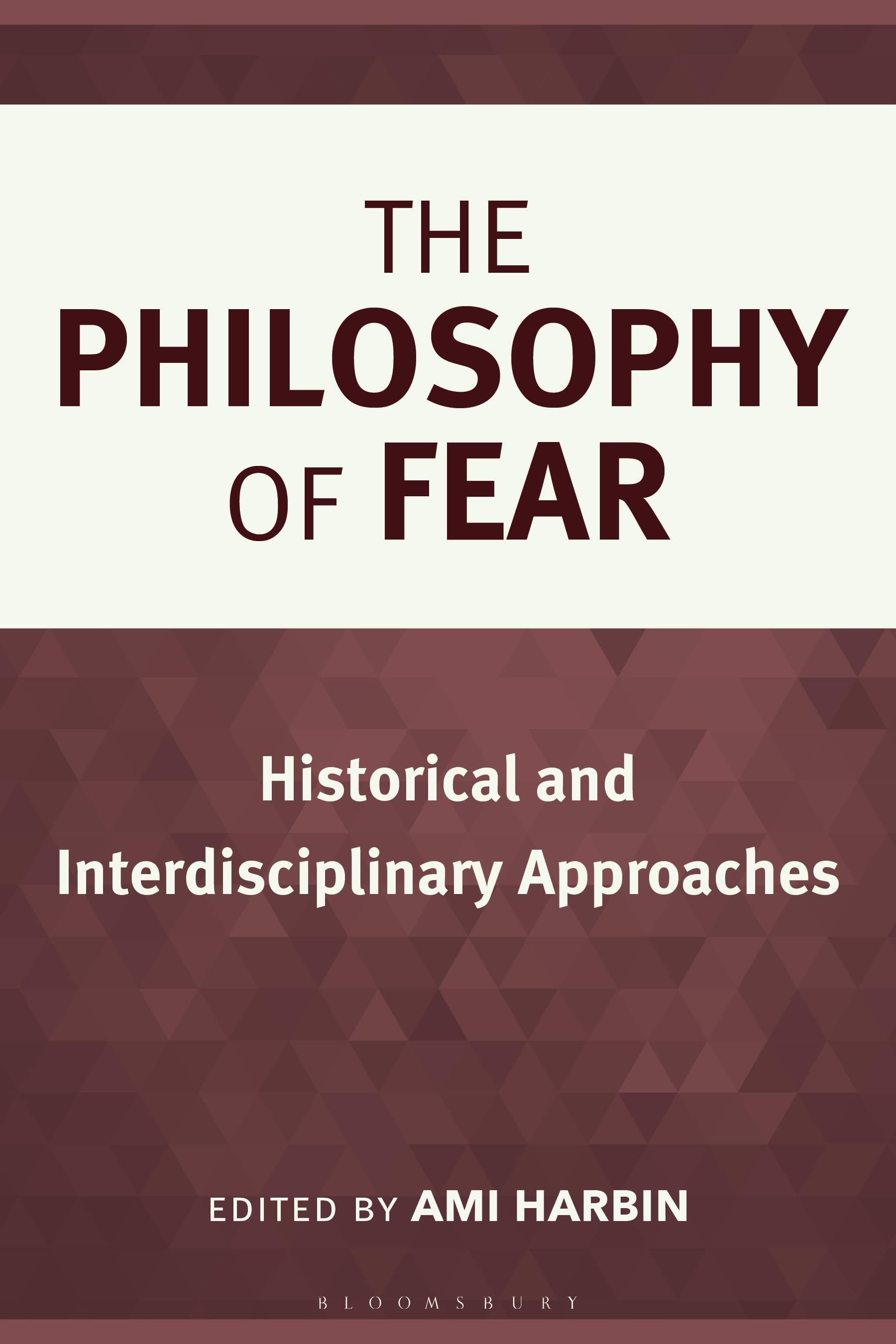
Philosophers reflect on the significance of fear both in the history of Eastern and Western Philosophy and at the intersections of contemporary philosophy and other disciplines.
The collection, edited by Ami Harbin, is divided into two parts. Part I begins with reflections on the centrality of fear in Confucian ethical-political thought and in the ancient Greek philosophy of Aristotle, before turning to the reflections on fear in medieval and twentieth-century philosophy. Part II presents contemporary philosophical work that expands the variety of approaches to fear, building connections with work in cognitive science, neuroscience, psychiatry, developmental psychology, and U. S. history.
Fear as an emotion-though always present in the history of philosophy, and one of the key points of contact between philosophy and other empirically-informed disciplines-has received surprisingly little concerted attention within philosophy. This is the first collection from contemporary philosophers with the express goal of reflecting on fear in the history of philosophy and collecting perspectives on fear from philosophers engaged in interdisciplinary research.
The collection, edited by Ami Harbin, is divided into two parts. Part I begins with reflections on the centrality of fear in Confucian ethical-political thought and in the ancient Greek philosophy of Aristotle, before turning to the reflections on fear in medieval and twentieth-century philosophy. Part II presents contemporary philosophical work that expands the variety of approaches to fear, building connections with work in cognitive science, neuroscience, psychiatry, developmental psychology, and U. S. history.
Fear as an emotion-though always present in the history of philosophy, and one of the key points of contact between philosophy and other empirically-informed disciplines-has received surprisingly little concerted attention within philosophy. This is the first collection from contemporary philosophers with the express goal of reflecting on fear in the history of philosophy and collecting perspectives on fear from philosophers engaged in interdisciplinary research.
Zahle einfach mit Karte, Klarna, Apple Pay oder Google Pay. Nicht zufrieden? Du hast immer ein 14-tägiges Widerrufsrecht. Lies mehr in unseren AGB. Hast du Fragen, schreib uns eine E-Mail an hello@memmo.org.
Memmo macht das Lernen einfacher – wo auch immer du bist. Bei uns findest du deine Kursbücher und smarte Lerntools an einem Ort: Zusammenfassungen, Quizzes, Podcasts und Lernkarten. Und Ted, dein Lernbuddy, beantwortet alles, was du wissen möchtest. Über 50.000 Studierende lernen bereits hier – gemacht, damit du schneller lernst und weniger Stress hast.