
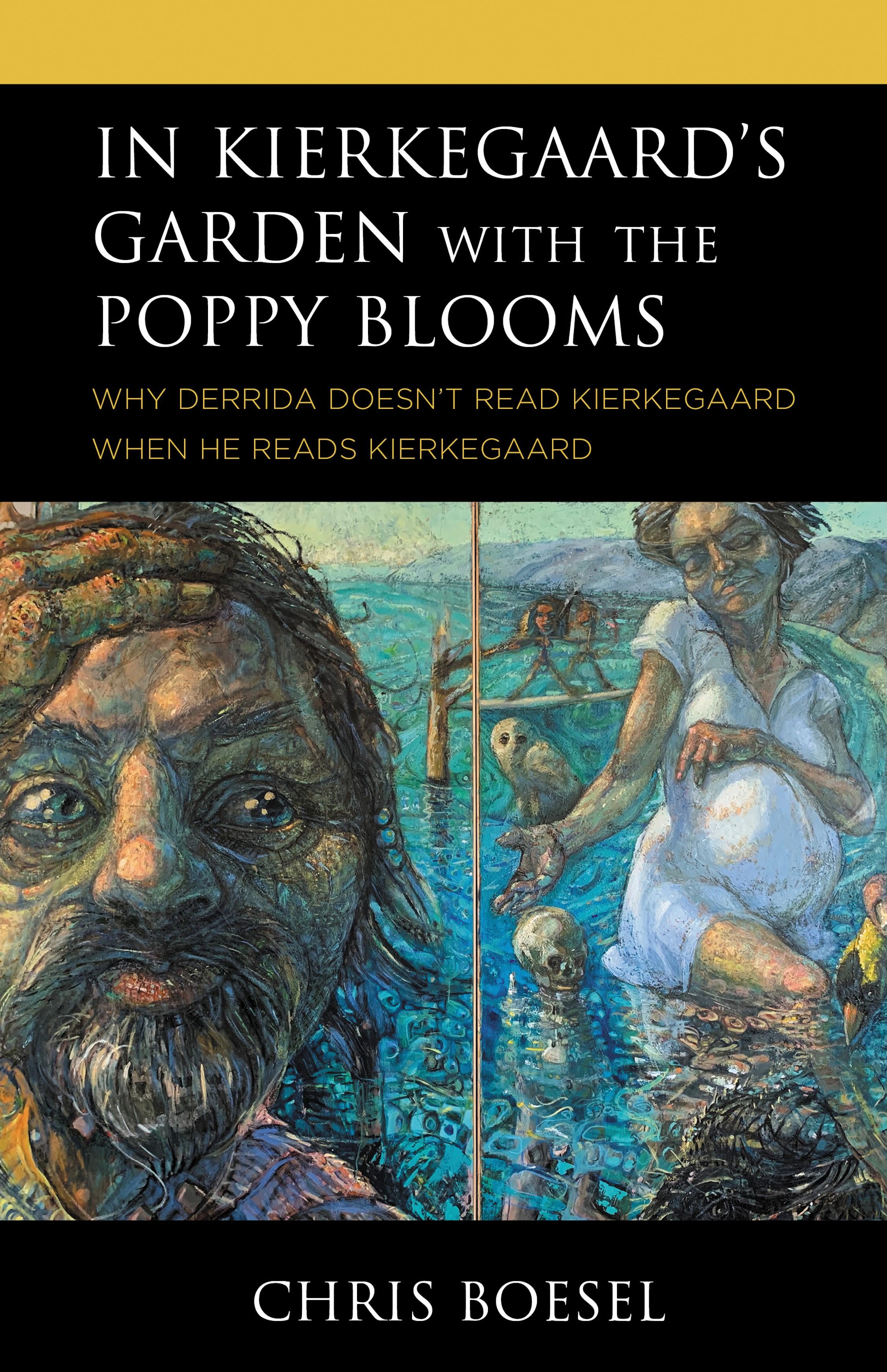
Chris Boesel invites readers into a Kierkegaardian style literary conceit, creating two pseudonymous voices—one philosophical and deconstructive, one theological and confessional—in order to stage an encounter between two commentaries on Kierkegaard's Fear and Trembling. On one level, the contest between the two commentaries demonstrates the extent to which an encounter between deconstruction and Kierkegaard has not taken place in the one place everyone thinks it has, in Derrida’s reading of Fear and Trembling in The Gift of Death. On a deeper level, Boesel argues that Derrida’s misreading of Fear and Trembling is both source and symptom of a wider problem: an apophatic blind spot in deconstructive engagements with Christian theology in philosophy of religion and postmodern theology. This blind spot erases the theological and ethical possibilities of what Boesel calls a Kierkegaardian confessional faith, possibilities rooted in a “deconstructive deconstructibility” that produces its own deconstructive-like effects. As a corrective to this blind spot, the encounter between deconstruction and Kierkegaard staged here shows how these effects do the very things heralded by self-proclaimed apophatic remedies of “confessional faith”: disrupt human mastery over God and neighbor while calling for concrete commitments to justice for the widow, orphan and stranger.
Zahle einfach mit Karte, Klarna, Apple Pay oder Google Pay. Nicht zufrieden? Du hast immer ein 14-tägiges Widerrufsrecht. Lies mehr in unseren AGB. Hast du Fragen, schreib uns eine E-Mail an hello@memmo.org.
Memmo macht das Lernen einfacher – wo auch immer du bist. Bei uns findest du deine Kursbücher und smarte Lerntools an einem Ort: Zusammenfassungen, Quizzes, Podcasts und Lernkarten. Und Ted, dein Lernbuddy, beantwortet alles, was du wissen möchtest. Über 50.000 Studierende lernen bereits hier – gemacht, damit du schneller lernst und weniger Stress hast.