
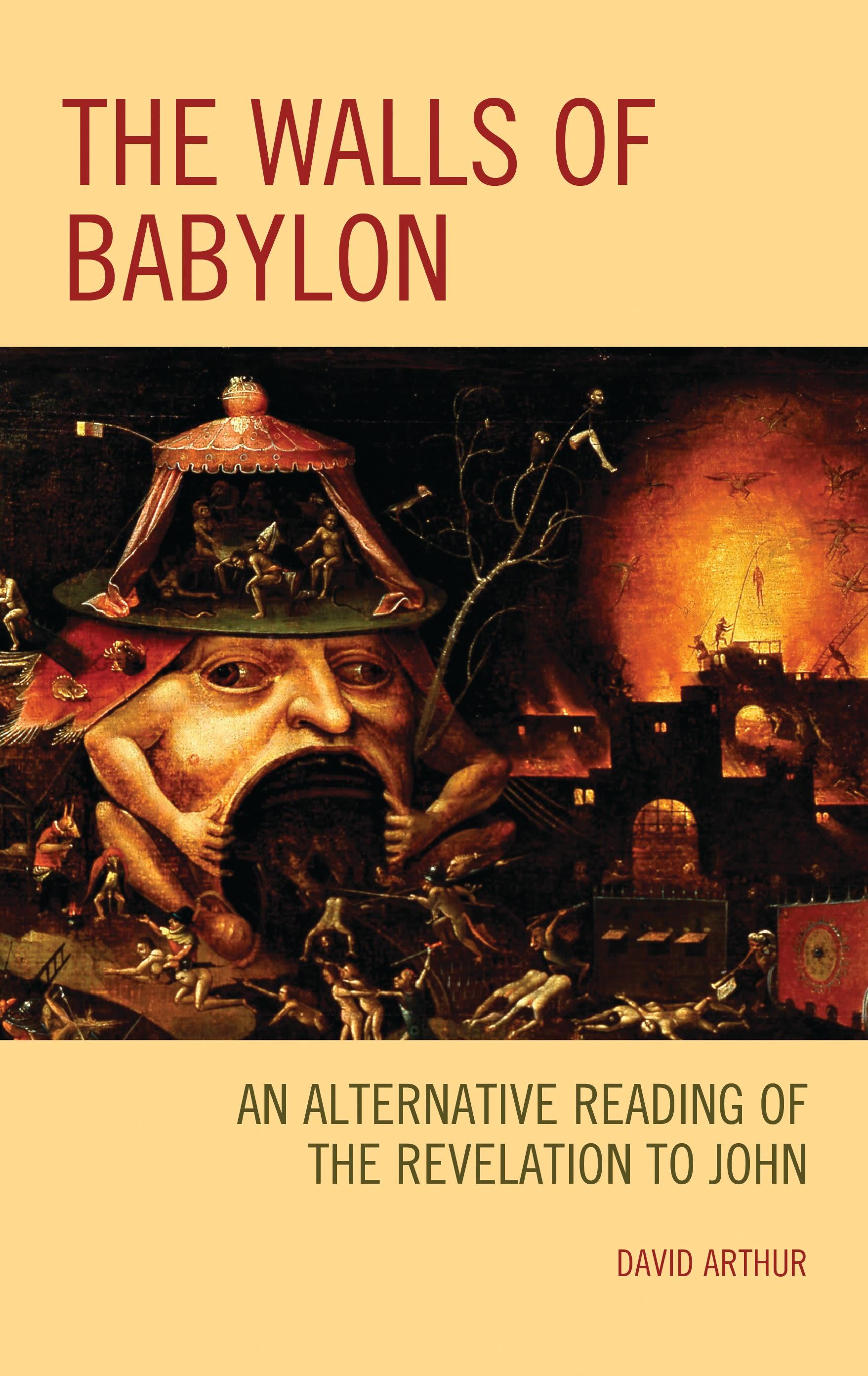
The Walls of Babylon is a radically revisionist reading of the Revelation to John, offering startling insights into the historical roots of Gnosticism, the social dynamics of early Christianity, and the shattering impact of apocalyptic eschatology. Based on a careful analysis of the text, David Arthur argues that the motivating circumstance for Revelation was provided not by external Roman oppression but by a fierce internal dispute between gnostic and proto-orthodox factions within the early church. In the ensuing controversy, John did not side with ecclesiastical officials, as might be expected, but instead took up the cause of the persecuted outcasts. Following the precedent of the classical prophets, he speaks as a champion for the downtrodden and dispossessed––represented, for him, by the gnostic heretics. The book he has left us presents a fiery symbolic rebuke of proto-orthodox Christianity, and by extension, challenges normative religious paradigms at every level of belief and praxis.
Zahle einfach mit Karte, Klarna, Apple Pay oder Google Pay. Nicht zufrieden? Du hast immer ein 14-tägiges Widerrufsrecht. Lies mehr in unseren AGB. Hast du Fragen, schreib uns eine E-Mail an hello@memmo.org.
Memmo macht das Lernen einfacher – wo auch immer du bist. Bei uns findest du deine Kursbücher und smarte Lerntools an einem Ort: Zusammenfassungen, Quizzes, Podcasts und Lernkarten. Und Ted, dein Lernbuddy, beantwortet alles, was du wissen möchtest. Über 50.000 Studierende lernen bereits hier – gemacht, damit du schneller lernst und weniger Stress hast.