
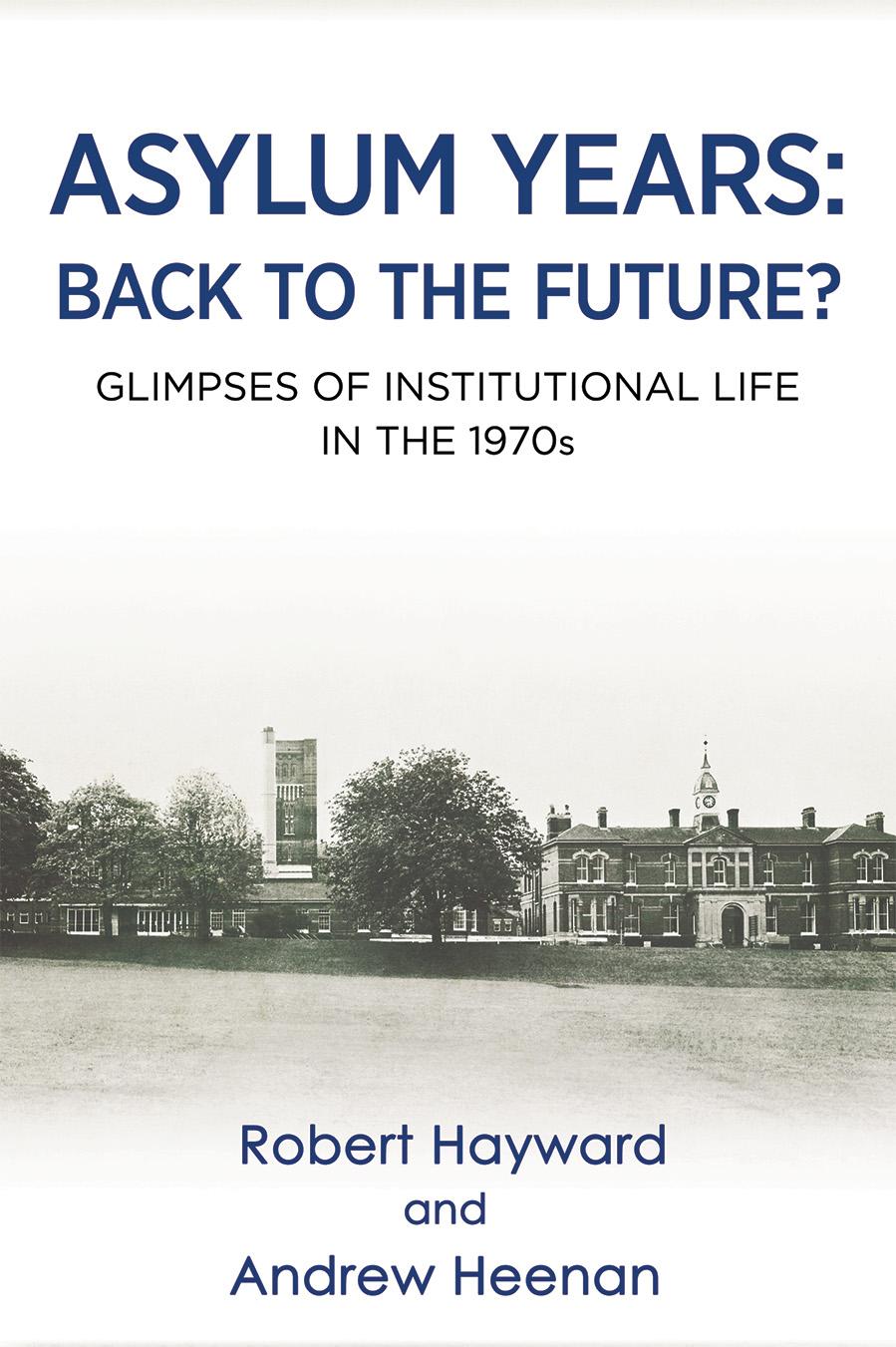
Has the legacy of the asylum era impacted on the thinking that underpins health policy today? Evidence gathered here from a number of people who worked in an asylum 50 years ago suggests that there is considerable inheritance from the institutional times that reinforce current mental health policy and mode of provision.
This book begins with a historical overview of mental health care and provides a detailed ethnographic account at the end of the 20th century; comparisons from this are examined in the context of present mental health care with a particular focus on underlying thinking which appears to differ less than that of the previous institutional years. Referring to more recent work, including user-led programmes, “mad studies” and emerging policy models, we explore alternatives that could challenge the philosophy or ethos that buttresses thinking about mental health policy and go some way to address the persistent marginalisation and inequalities experienced by people using mental health services.Zahle einfach mit Karte, Klarna, Apple Pay oder Google Pay. Nicht zufrieden? Du hast immer ein 14-tägiges Widerrufsrecht. Lies mehr in unseren AGB. Hast du Fragen, schreib uns eine E-Mail an hello@memmo.org.
Memmo macht das Lernen einfacher – wo auch immer du bist. Bei uns findest du deine Kursbücher und smarte Lerntools an einem Ort: Zusammenfassungen, Quizzes, Podcasts und Lernkarten. Und Ted, dein Lernbuddy, beantwortet alles, was du wissen möchtest. Über 50.000 Studierende lernen bereits hier – gemacht, damit du schneller lernst und weniger Stress hast.