
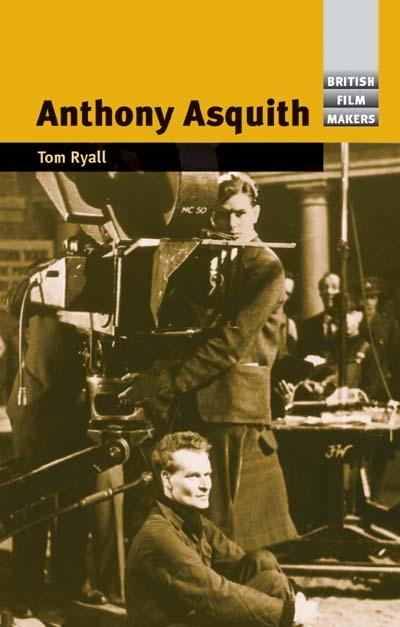
This is the first comprehensive critical study of Anthony Asquith. Ryall sets the director's work in the context of British cinema from the silent period to the 1960s, examining the artistic and cultural influences which shaped his films.
Asquith's silent films were compared favourably to those of his eminent contemporary Alfred Hitchcock, but his career faltered during the 1930s. However, the success of Pygmalion (1938) and French Without Tears (1939), based on plays by George Bernard Shaw and Terence Rattigan, together with his significant contributions to wartime British cinema, re-established him as a leading British film maker. Asquith's post-war career includes several pictures in collaboration with Terence Rattigan, and the definitive adaptation of Oscar Wilde's The Importance of Being Earnest (1951), but his versatility is demonstrated in a number of modest genre films including The Woman in Question (1950), The Young Lovers (1954) and Orders to Kill (1958).
Zahle einfach mit Karte, Klarna, Apple Pay oder Google Pay. Nicht zufrieden? Du hast immer ein 14-tägiges Widerrufsrecht. Lies mehr in unseren AGB. Hast du Fragen, schreib uns eine E-Mail an hello@memmo.org.
Memmo macht das Lernen einfacher – wo auch immer du bist. Bei uns findest du deine Kursbücher und smarte Lerntools an einem Ort: Zusammenfassungen, Quizzes, Podcasts und Lernkarten. Und Ted, dein Lernbuddy, beantwortet alles, was du wissen möchtest. Über 50.000 Studierende lernen bereits hier – gemacht, damit du schneller lernst und weniger Stress hast.