
*Winner of the International Political Sociology book award for 2023*
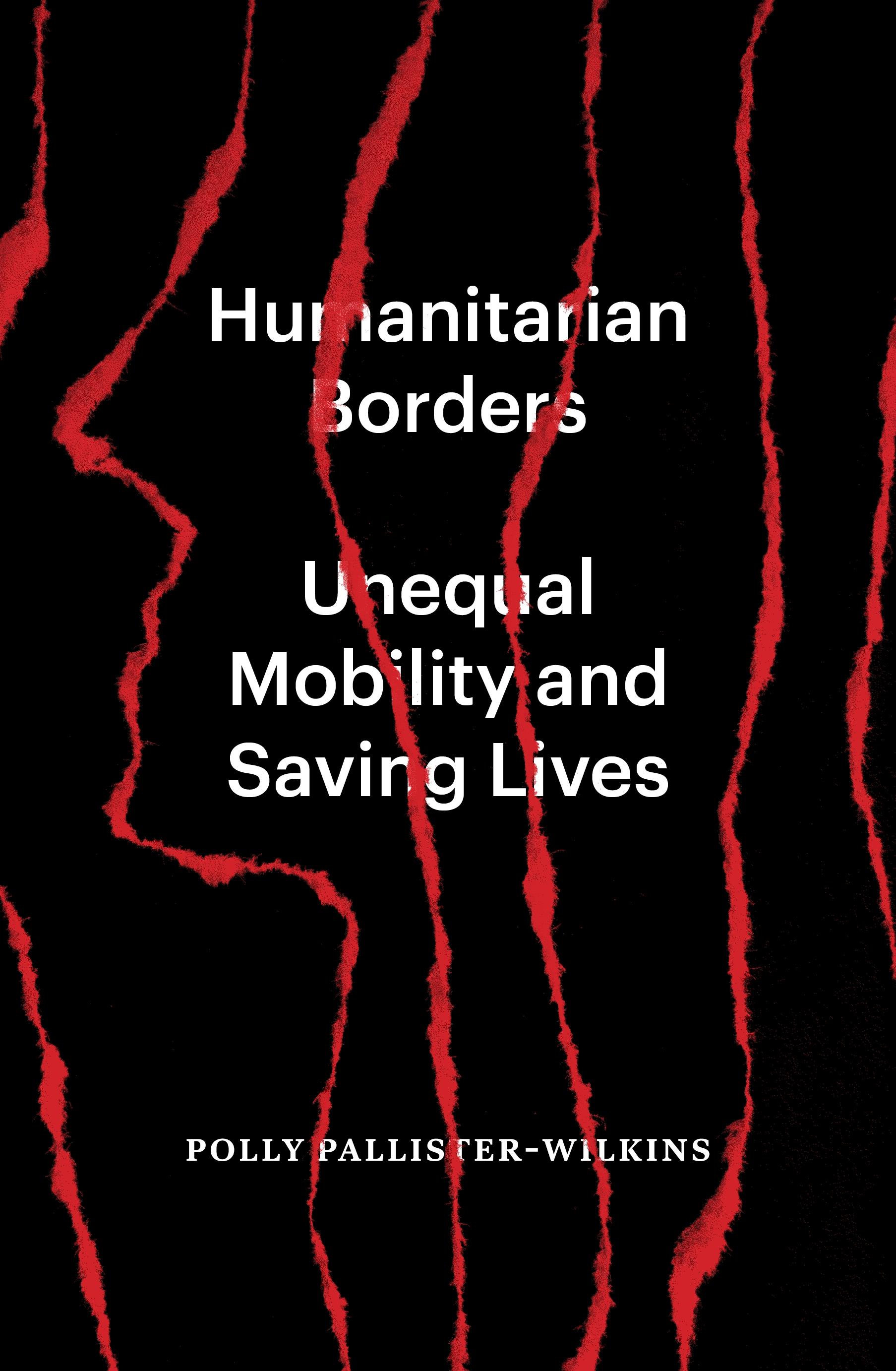
What does it mean when humanitarianism is the response to death, injury and suffering at the border? This book interrogates the politics of humanitarian responses to border violence and unequal mobility, arguing that such responses mask underlying injustices, depoliticise violent borders and bolster liberal and paternalist approaches to suffering. Focusing on the diversity of actors involved in humanitarian assistance alongside the times and spaces of action, the book draws a direct line between privileges of movement and global inequalities of race, class, gender and disability rooted in colonial histories and white supremacy and humanitarian efforts that save lives while entrenching such inequalities. Based on eight years of research with border police, European Union officials, professional humanitarians, and grassroots activists in Europe's borderlands, including Italy and Greece, the book argues that this kind of saving lives builds, expands and deepens already restrictive borders and exclusive and exceptional identities through what the book calls humanitarian borderwork.
What does it mean when humanitarianism is the response to death, injury and suffering at the border? This book interrogates the politics of humanitarian responses to border violence and unequal mobility, arguing that such responses mask underlying injustices, depoliticise violent borders and bolster liberal and paternalist approaches to suffering. Focusing on the diversity of actors involved in humanitarian assistance alongside the times and spaces of action, the book draws a direct line between privileges of movement and global inequalities of race, class, gender and disability rooted in colonial histories and white supremacy and humanitarian efforts that save lives while entrenching such inequalities. Based on eight years of research with border police, European Union officials, professional humanitarians, and grassroots activists in Europe's borderlands, including Italy and Greece, the book argues that this kind of saving lives builds, expands and deepens already restrictive borders and exclusive and exceptional identities through what the book calls humanitarian borderwork.
Zahle einfach mit Karte, Klarna, Apple Pay oder Google Pay. Nicht zufrieden? Du hast immer ein 14-tägiges Widerrufsrecht. Lies mehr in unseren AGB. Hast du Fragen, schreib uns eine E-Mail an hello@memmo.org.
Memmo macht das Lernen einfacher – wo auch immer du bist. Bei uns findest du deine Kursbücher und smarte Lerntools an einem Ort: Zusammenfassungen, Quizzes, Podcasts und Lernkarten. Und Ted, dein Lernbuddy, beantwortet alles, was du wissen möchtest. Über 50.000 Studierende lernen bereits hier – gemacht, damit du schneller lernst und weniger Stress hast.
Das könnte dir auch gefallen
Buch kaufen0