
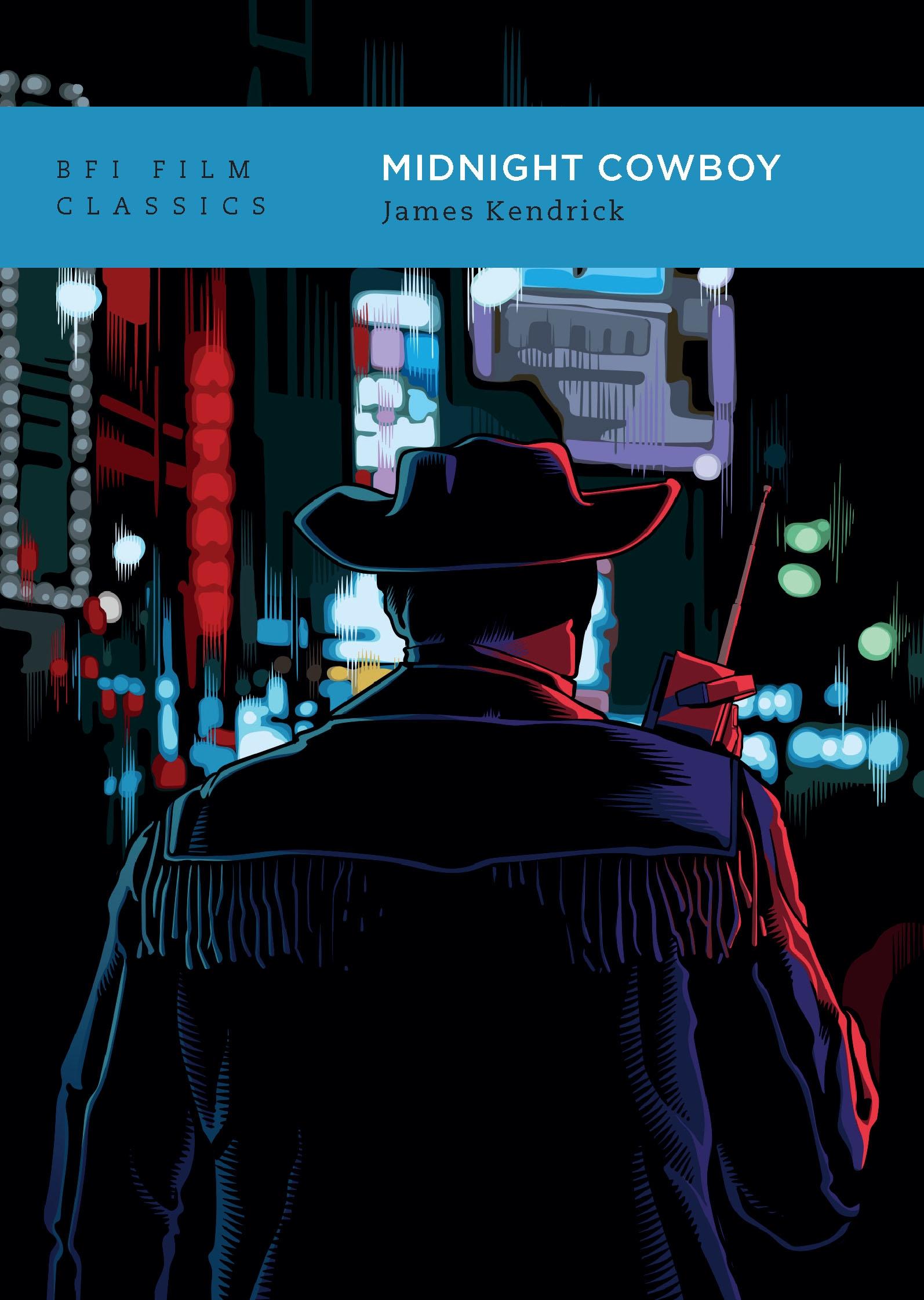
John Schlesinger's 1969 drama, Midnight Cowboy, follows the story of naïve would-be hustler Joe Buck (Jon Voight) and ailing con man Ratso Rizzo (Dustin Hoffman), set against the gritty backdrop of New York City in the late 1960s. The film received widespread critical acclaim upon its release, becoming the only X-rated film to the win the Academy Award for Best Picture.
James Kendrick argues that this film, more so than its notable contemporaries, captures the immense turmoil, change and revolution that was taking place both in Hollywood and in the larger American culture of the late 1960s. He explores the film's production, reception, visual and thematic innovation, and cultural impact-not only its ground-breaking portrayal of sexuality and relationships, but also its exploration of themes of urban loneliness and socio-economic disparity.
Through close analysis of the film and examination of articles, press reports, interviews and reviews from the five decades following its release, Kendrick shows how Midnight Cowboy, with its mix of visual poetry, documentary-like realism, fragmentary flashbacks, and unvarnished depiction of desperate characters on the fringes of society, offers a unique focal point for the intersection of European art cinema and the new parameters of mainstream Hollywood at the end of the classic era.
James Kendrick argues that this film, more so than its notable contemporaries, captures the immense turmoil, change and revolution that was taking place both in Hollywood and in the larger American culture of the late 1960s. He explores the film's production, reception, visual and thematic innovation, and cultural impact-not only its ground-breaking portrayal of sexuality and relationships, but also its exploration of themes of urban loneliness and socio-economic disparity.
Through close analysis of the film and examination of articles, press reports, interviews and reviews from the five decades following its release, Kendrick shows how Midnight Cowboy, with its mix of visual poetry, documentary-like realism, fragmentary flashbacks, and unvarnished depiction of desperate characters on the fringes of society, offers a unique focal point for the intersection of European art cinema and the new parameters of mainstream Hollywood at the end of the classic era.
Seiten: 128
Kategorie: Film- & Medievetenskap
e-ISBN: 9781839025174
Versandgewicht: 1.2 kg
Versand in: 1-2 Tage
Zahle einfach mit Karte, Klarna, Apple Pay oder Google Pay. Nicht zufrieden? Du hast immer ein 14-tägiges Widerrufsrecht. Lies mehr in unseren AGB. Hast du Fragen, schreib uns eine E-Mail an hello@memmo.org.
Memmo macht das Lernen einfacher – wo auch immer du bist. Bei uns findest du deine Kursbücher und smarte Lerntools an einem Ort: Zusammenfassungen, Quizzes, Podcasts und Lernkarten. Und Ted, dein Lernbuddy, beantwortet alles, was du wissen möchtest. Über 50.000 Studierende lernen bereits hier – gemacht, damit du schneller lernst und weniger Stress hast.