
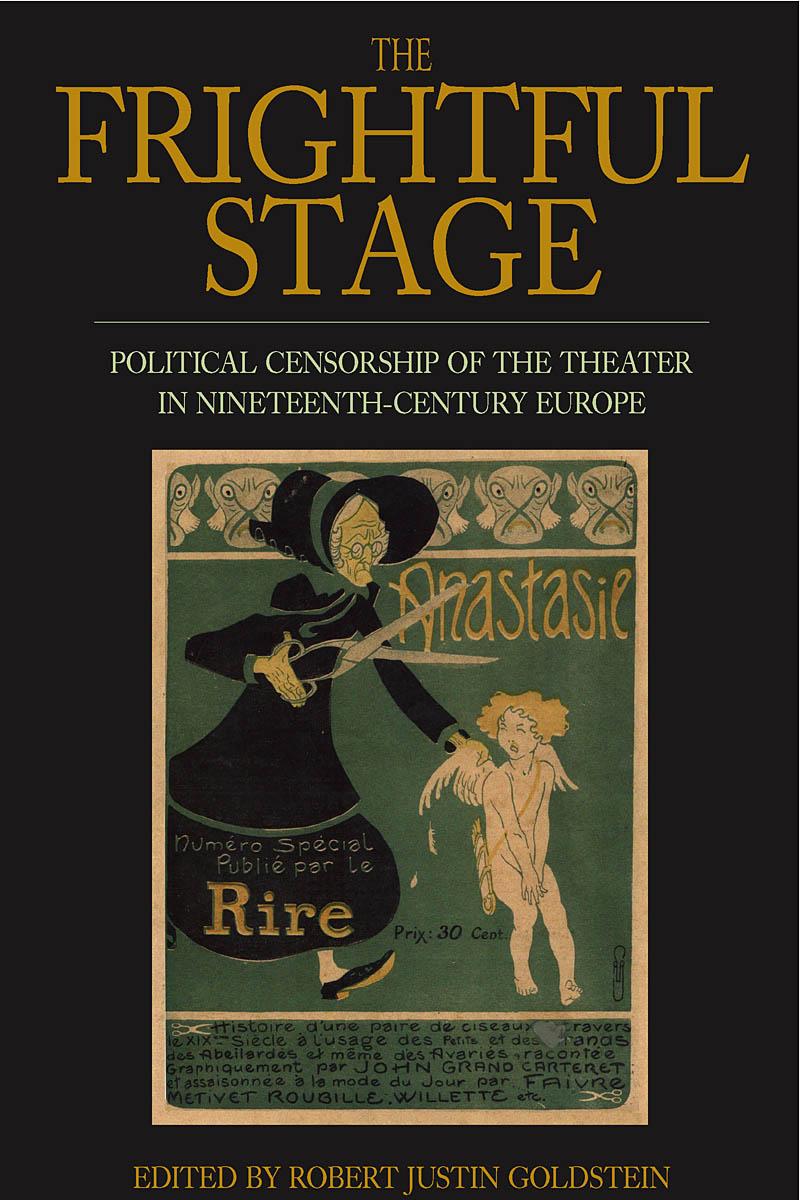
In nineteenth-century Europe the ruling elites viewed the theater as a form of communication which had enormous importance. The theater provided the most significant form of mass entertainment and was the only arena aside from the church in which regular mass gatherings were possible. Therefore, drama censorship occupied a great deal of the ruling class’s time and energy, with a particularly focus on proposed scripts that potentially threatened the existing political, legal, and social order. This volume provides the first comprehensive examination of nineteenth-century political theater censorship at a time, in the aftermath of the French Revolution, when the European population was becoming increasingly politically active.
Zahle einfach mit Karte, Klarna, Apple Pay oder Google Pay. Nicht zufrieden? Du hast immer ein 14-tägiges Widerrufsrecht. Lies mehr in unseren AGB. Hast du Fragen, schreib uns eine E-Mail an hello@memmo.org.
Memmo macht das Lernen einfacher – wo auch immer du bist. Bei uns findest du deine Kursbücher und smarte Lerntools an einem Ort: Zusammenfassungen, Quizzes, Podcasts und Lernkarten. Und Ted, dein Lernbuddy, beantwortet alles, was du wissen möchtest. Über 50.000 Studierende lernen bereits hier – gemacht, damit du schneller lernst und weniger Stress hast.