
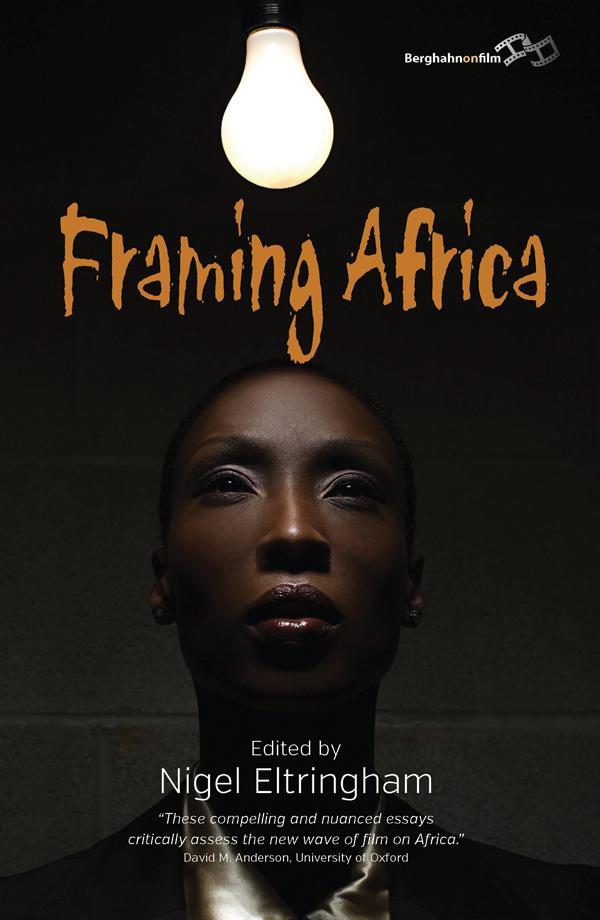
The first decade of the 21st century has seen a proliferation of North American and European films that focus on African politics and society. While once the continent was the setting for narratives of heroic ascendancy over self (The African Queen, 1951; The Snows of Kilimanjaro, 1952), military odds (Zulu, 1964; Khartoum, 1966) and nature (Mogambo, 1953; Hatari!,1962; Born Free, 1966; The Last Safari, 1967), this new wave of films portrays a continent blighted by transnational corruption (The Constant Gardener, 2005), genocide (Hotel Rwanda, 2004; Shooting Dogs, 2006), ‘failed states’ (Black Hawk Down, 2001), illicit transnational commerce (Blood Diamond, 2006) and the unfulfilled promises of decolonization (The Last King of Scotland, 2006). Conversely, where once Apartheid South Africa was a brutal foil for the romance of East Africa (Cry Freedom, 1987; A Dry White Season, 1989), South Africa now serves as a redeemed contrast to the rest of the continent (Red Dust, 2004; Invictus, 2009). Writing from the perspective of long-term engagement with the contexts in which the films are set, anthropologists and historians reflect on these films and assess the contemporary place Africa holds in the North American and European cinematic imagination.
Zahle einfach mit Karte, Klarna, Apple Pay oder Google Pay. Nicht zufrieden? Du hast immer ein 14-tägiges Widerrufsrecht. Lies mehr in unseren AGB. Hast du Fragen, schreib uns eine E-Mail an hello@memmo.org.
Memmo macht das Lernen einfacher – wo auch immer du bist. Bei uns findest du deine Kursbücher und smarte Lerntools an einem Ort: Zusammenfassungen, Quizzes, Podcasts und Lernkarten. Und Ted, dein Lernbuddy, beantwortet alles, was du wissen möchtest. Über 50.000 Studierende lernen bereits hier – gemacht, damit du schneller lernst und weniger Stress hast.