
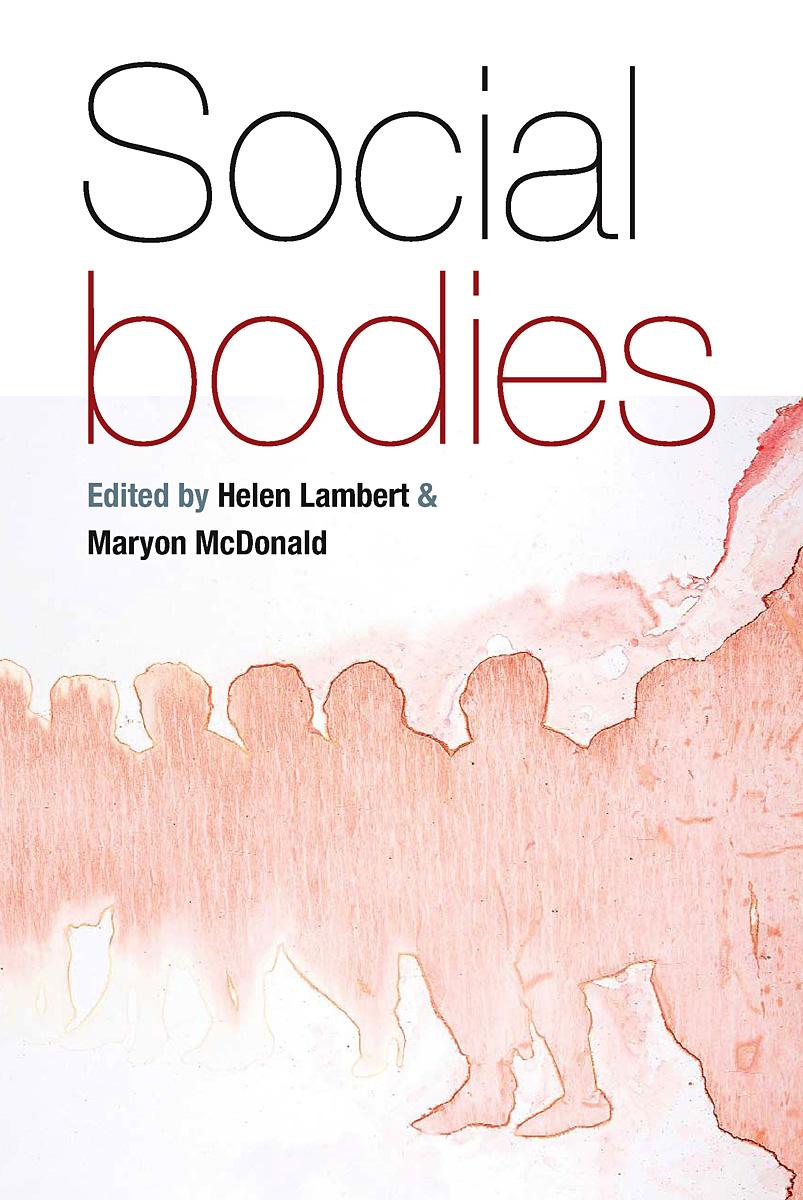
A proliferation of press headlines, social science texts and “ethical” concerns about the social implications of recent developments in human genetics and biomedicine have created a sense that, at least in European and American contexts, both the way we treat the human body and our attitudes towards it have changed.
This volume asks what really happens to social relations in the face of new types of transaction – such as organ donation, forensic identification and other new medical and reproductive technologies - that involve the use of corporeal material. Drawing on comparative insights into how human biological material is treated, it aims to consider how far human bodies and their components are themselves inherently “social.”
The case studies – ranging from animal-human transformations in Amazonia to forensic reconstruction in post-conflict Serbia and the treatment of Native American specimens in English museums – all underline that, without social relations, there are no bodies but only “human remains.” The volume gives us new and striking ethnographic insights into bodies as sociality, as well as a potentially powerful analytical reconsideration of notions of embodiment. It makes a novel contribution, too, to “science and society” debates.
Zahle einfach mit Karte, Klarna, Apple Pay oder Google Pay. Nicht zufrieden? Du hast immer ein 14-tägiges Widerrufsrecht. Lies mehr in unseren AGB. Hast du Fragen, schreib uns eine E-Mail an hello@memmo.org.
Memmo macht das Lernen einfacher – wo auch immer du bist. Bei uns findest du deine Kursbücher und smarte Lerntools an einem Ort: Zusammenfassungen, Quizzes, Podcasts und Lernkarten. Und Ted, dein Lernbuddy, beantwortet alles, was du wissen möchtest. Über 50.000 Studierende lernen bereits hier – gemacht, damit du schneller lernst und weniger Stress hast.