
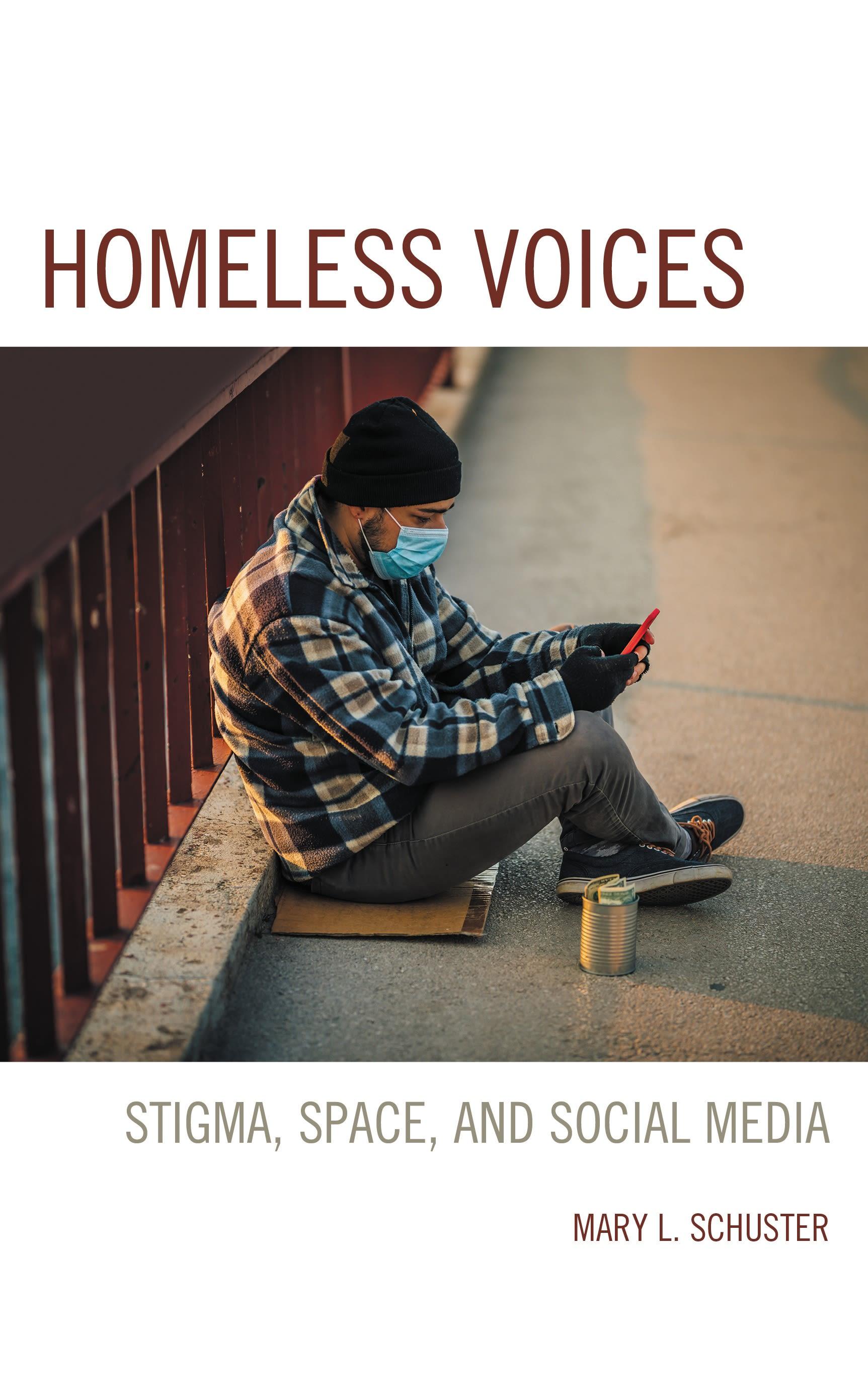
Homeless Voices: Stigma, Space, and Social Media argues that the best sources for how to address issues of homelessness are people experiencing homelessness themselves, particularly as they express their experiences through personal blogs and memoirs. Mary L. Schuster discusses how space and land have been historically denied to marginalized communities who still feel the effects to this day, along with examining the conditions and limitations of common spaces often assigned to those experiencing homelessness, culminating in an analysis of how the novel coronavirus (COVID-19) has impacted homelessness. Schuster focuses on two vulnerable groups that often experience homelessness: victims of domestic violence and unaccompanied youth, particularly those who struggle with gender identity and unstable housing. This book includes a variety of case studies, examining public meetings and court decisions, public policy symposiums, and personal interviews, and ultimately finds that intersectionality-specifically age, race, gender identity, and ethnicity-plays a large part in understanding and experiencing homelessness. By shifting our attention to the diverse voices who experience homelessness themselves, Schuster claims, we can finally begin to remedy this crisis. Scholars of media studies, sociology, and urban development will find this book particularly useful.
Zahle einfach mit Karte, Klarna, Apple Pay oder Google Pay. Nicht zufrieden? Du hast immer ein 14-tägiges Widerrufsrecht. Lies mehr in unseren AGB. Hast du Fragen, schreib uns eine E-Mail an hello@memmo.org.
Memmo macht das Lernen einfacher – wo auch immer du bist. Bei uns findest du deine Kursbücher und smarte Lerntools an einem Ort: Zusammenfassungen, Quizzes, Podcasts und Lernkarten. Und Ted, dein Lernbuddy, beantwortet alles, was du wissen möchtest. Über 50.000 Studierende lernen bereits hier – gemacht, damit du schneller lernst und weniger Stress hast.