
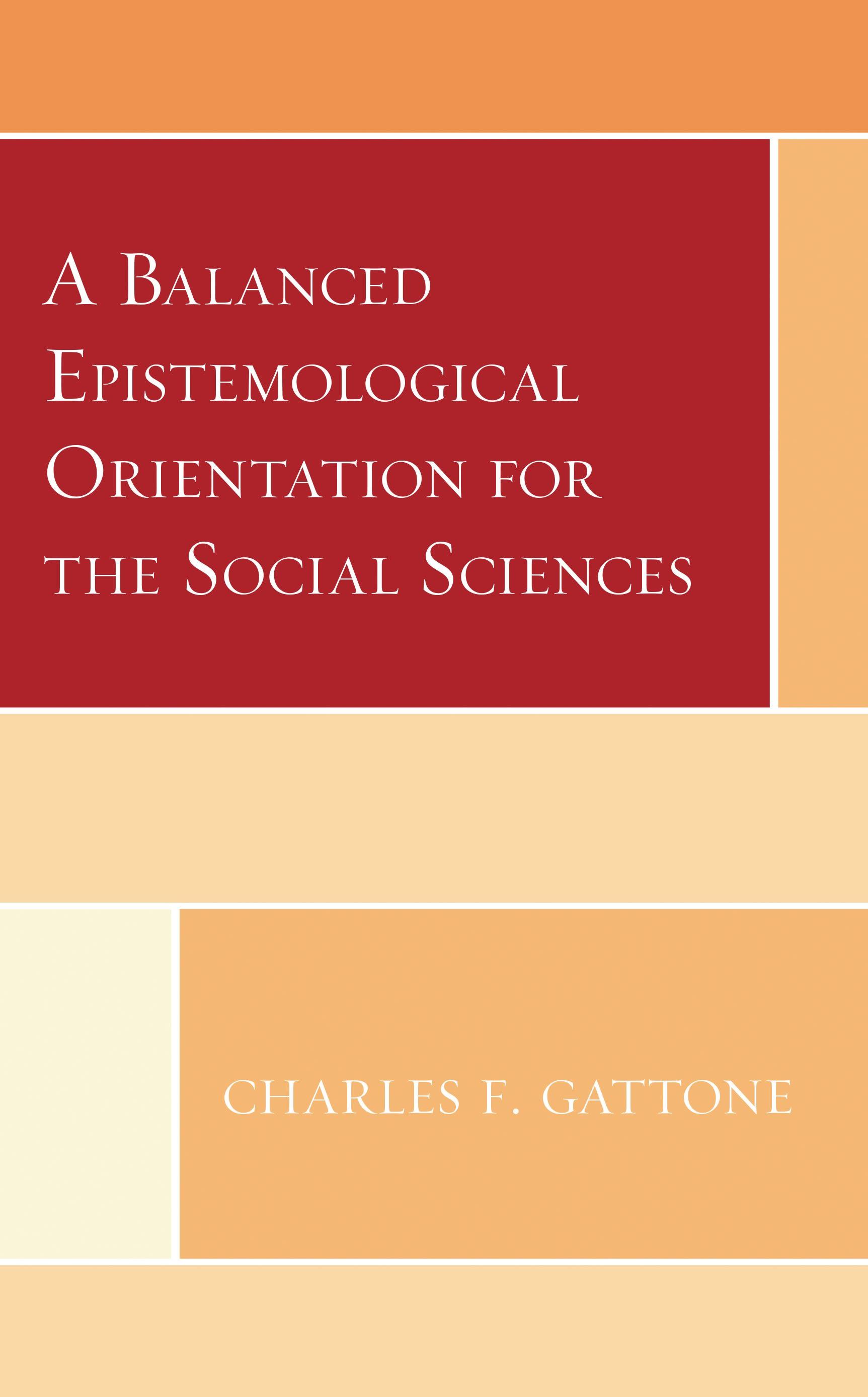
A Balanced Epistemological Orientation for the Social Sciences challenges social researchers to rethink the epistemological assumptions grounding their work. It reviews the strengths and weaknesses of four salient epistemological orientations in the field – positivism, relativism, interpretivism, and intersubjectivism – to identify the characteristics of a theoretically-informed epistemology for social science. Relying on such an epistemology means seeking a deeper understanding of the social world without losing sight of the constructed nature of one’s conceptual frames. It involves adopting a reflexive position with regard to the norms and traditions in one’s area of specialization and in the field as a whole. Epistemologically-balanced social research is neither the dispassionate gathering of factual information, nor the elaboration of universal assessments formed on the basis of armchair speculation. It involves engaging in inquiry in an independent manner and being aware of the perspectival character of the claims being made in the attempt to shed new light on social phenomena. The caliber of social science can be elevated when researchers recognize the symbolic nature of their work and the significance of their conclusions in the larger social order.
Zahle einfach mit Karte, Klarna, Apple Pay oder Google Pay. Nicht zufrieden? Du hast immer ein 14-tägiges Widerrufsrecht. Lies mehr in unseren AGB. Hast du Fragen, schreib uns eine E-Mail an hello@memmo.org.
Memmo macht das Lernen einfacher – wo auch immer du bist. Bei uns findest du deine Kursbücher und smarte Lerntools an einem Ort: Zusammenfassungen, Quizzes, Podcasts und Lernkarten. Und Ted, dein Lernbuddy, beantwortet alles, was du wissen möchtest. Über 50.000 Studierende lernen bereits hier – gemacht, damit du schneller lernst und weniger Stress hast.