
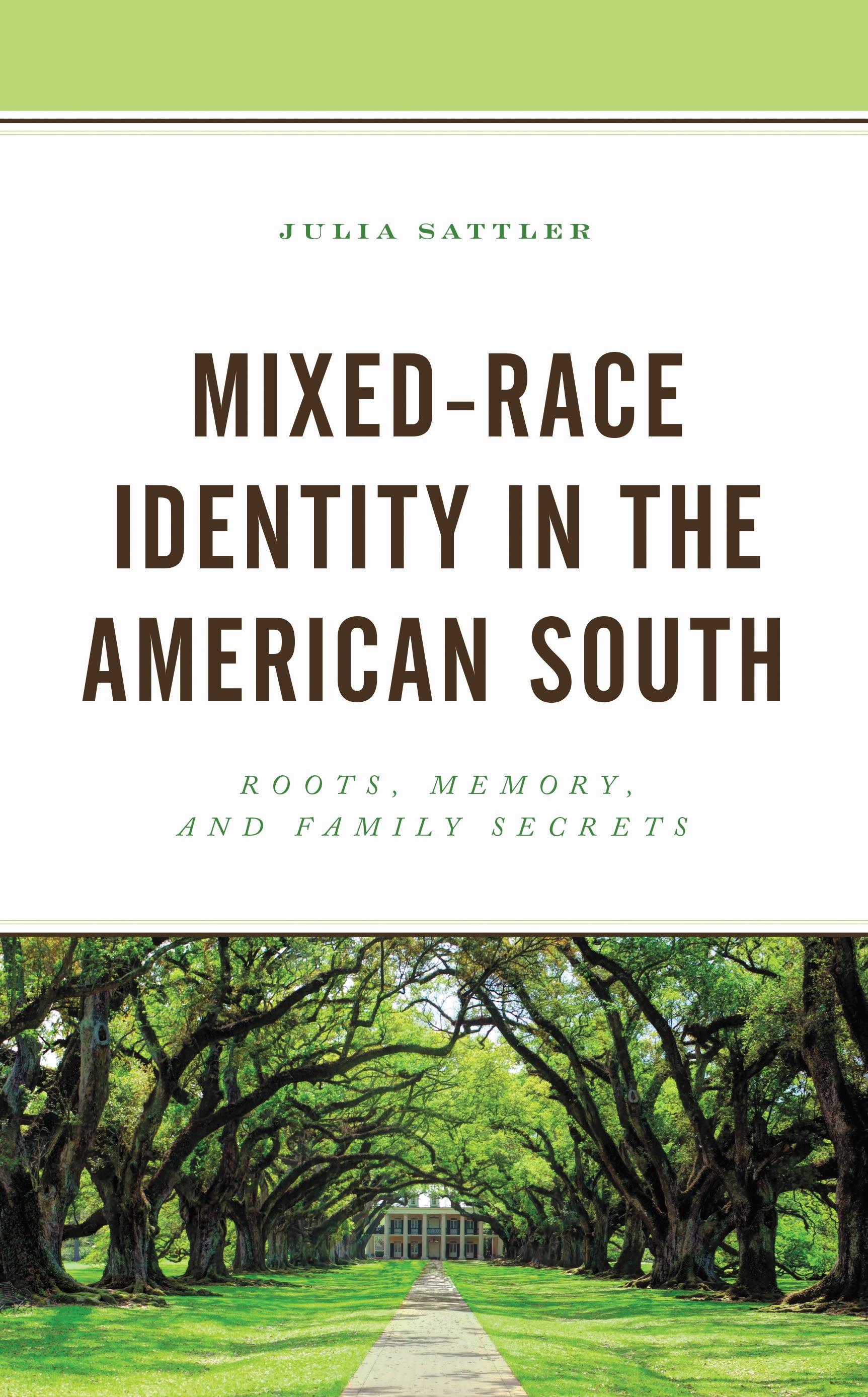
This interdisciplinary investigation argues that since the 1990s, discourses about mixed-race heritage in the United States have taken the shape of a veritable literary genre, here termed “memoir of the search.”
The study uses four different texts to explore this non-fictional genre, including Edward Ball's Slaves in the Family and Shirlee Taylor Haizlip's The Sweeter the Juice. All feature a protagonist using methods from archival investigation to DNA-testing to explore an intergenerational family secret; photographs and family trees; and the trip to the American South, which is identified as the site of the secret’s origin and of the family’s past. As a genre, these texts negotiate the memory of slavery and segregation in the present.
In taking up central narratives of Americanness, such as the American Dream and the Immigrant story, as well as discourses generating the American family, the texts help inscribe themselves and the mixed-race heritage they address into the American mainstream.
In its outlook, this book highlights the importance of the memoirs’ negotiations of the past when finding ways to remember after the last witnesses have passed away. and contributes to the discussion over political justice and reparations for slavery.
The study uses four different texts to explore this non-fictional genre, including Edward Ball's Slaves in the Family and Shirlee Taylor Haizlip's The Sweeter the Juice. All feature a protagonist using methods from archival investigation to DNA-testing to explore an intergenerational family secret; photographs and family trees; and the trip to the American South, which is identified as the site of the secret’s origin and of the family’s past. As a genre, these texts negotiate the memory of slavery and segregation in the present.
In taking up central narratives of Americanness, such as the American Dream and the Immigrant story, as well as discourses generating the American family, the texts help inscribe themselves and the mixed-race heritage they address into the American mainstream.
In its outlook, this book highlights the importance of the memoirs’ negotiations of the past when finding ways to remember after the last witnesses have passed away. and contributes to the discussion over political justice and reparations for slavery.
Zahle einfach mit Karte, Klarna, Apple Pay oder Google Pay. Nicht zufrieden? Du hast immer ein 14-tägiges Widerrufsrecht. Lies mehr in unseren AGB. Hast du Fragen, schreib uns eine E-Mail an hello@memmo.org.
Memmo macht das Lernen einfacher – wo auch immer du bist. Bei uns findest du deine Kursbücher und smarte Lerntools an einem Ort: Zusammenfassungen, Quizzes, Podcasts und Lernkarten. Und Ted, dein Lernbuddy, beantwortet alles, was du wissen möchtest. Über 50.000 Studierende lernen bereits hier – gemacht, damit du schneller lernst und weniger Stress hast.