
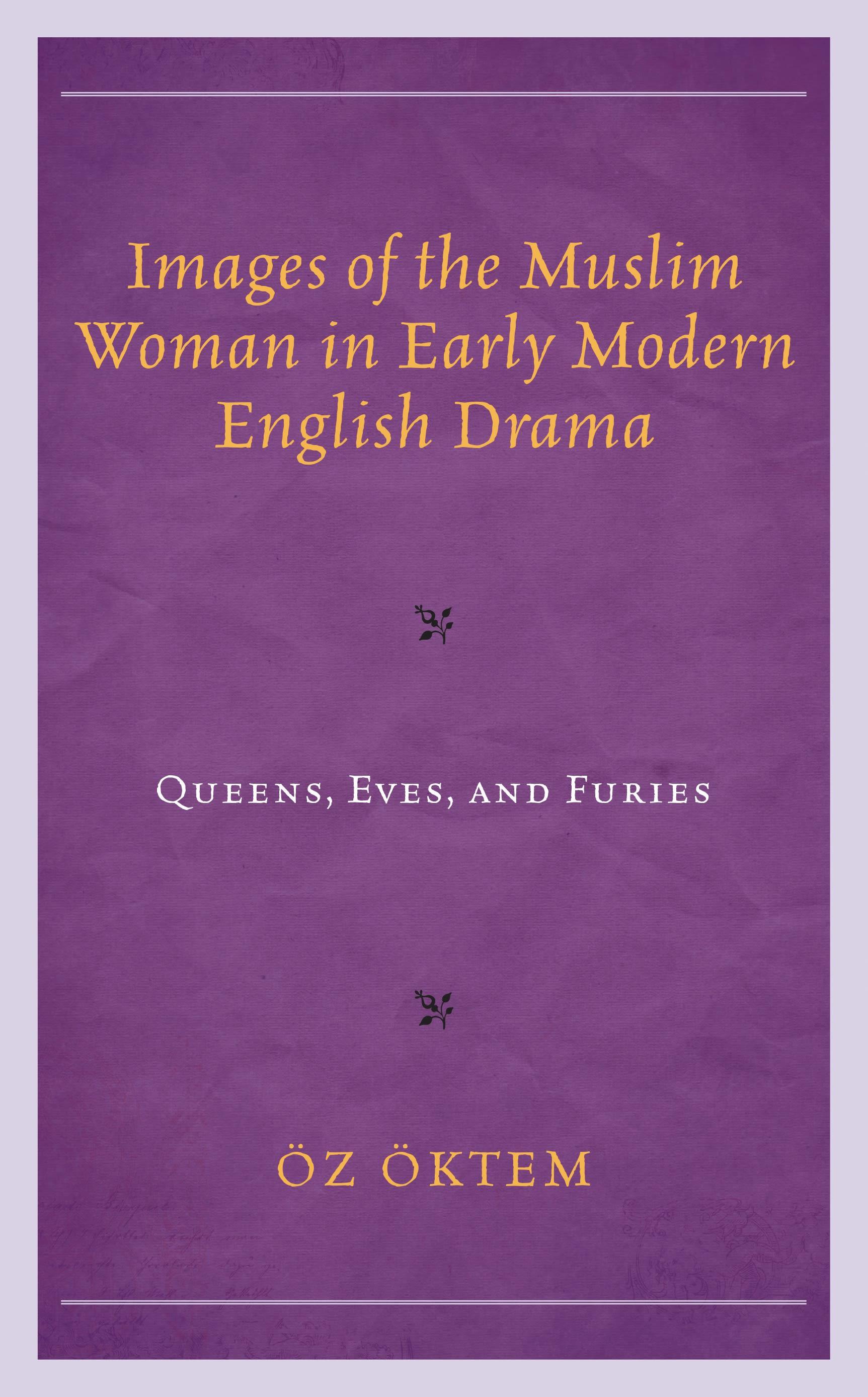
Early modern scholarship often reads the dramatic representations of the Muslim woman in the light of postcolonial identity politics, which sees an organic relationship between the West’s historical domination of the East and the Western discourse on the East. This book problematizes the above trajectory by arguing that the assumption of a power relation between a dominating West and a subordinate East cannot be sustained within the context of the political and historical realities of early modern Europe. The Ottoman Empire remained as a dominant superpower throughout the sixteenth and seventeenth centuries and was perceived by Protestant England both as a military and religious threat and as a possible ally against Catholic Spain. Reading a series of early modern plays from Marlowe to Beaumont and Fletcher alongside a number of historical sources and documents, this book re-interprets the image of Islamic femininity in the period’s drama to reflect this overturn in the world’s power balances, as well as the intricate dynamics of England’s intensified contact with Islam in the Mediterranean.
Zahle einfach mit Karte, Klarna, Apple Pay oder Google Pay. Nicht zufrieden? Du hast immer ein 14-tägiges Widerrufsrecht. Lies mehr in unseren AGB. Hast du Fragen, schreib uns eine E-Mail an hello@memmo.org.
Memmo macht das Lernen einfacher – wo auch immer du bist. Bei uns findest du deine Kursbücher und smarte Lerntools an einem Ort: Zusammenfassungen, Quizzes, Podcasts und Lernkarten. Und Ted, dein Lernbuddy, beantwortet alles, was du wissen möchtest. Über 50.000 Studierende lernen bereits hier – gemacht, damit du schneller lernst und weniger Stress hast.