
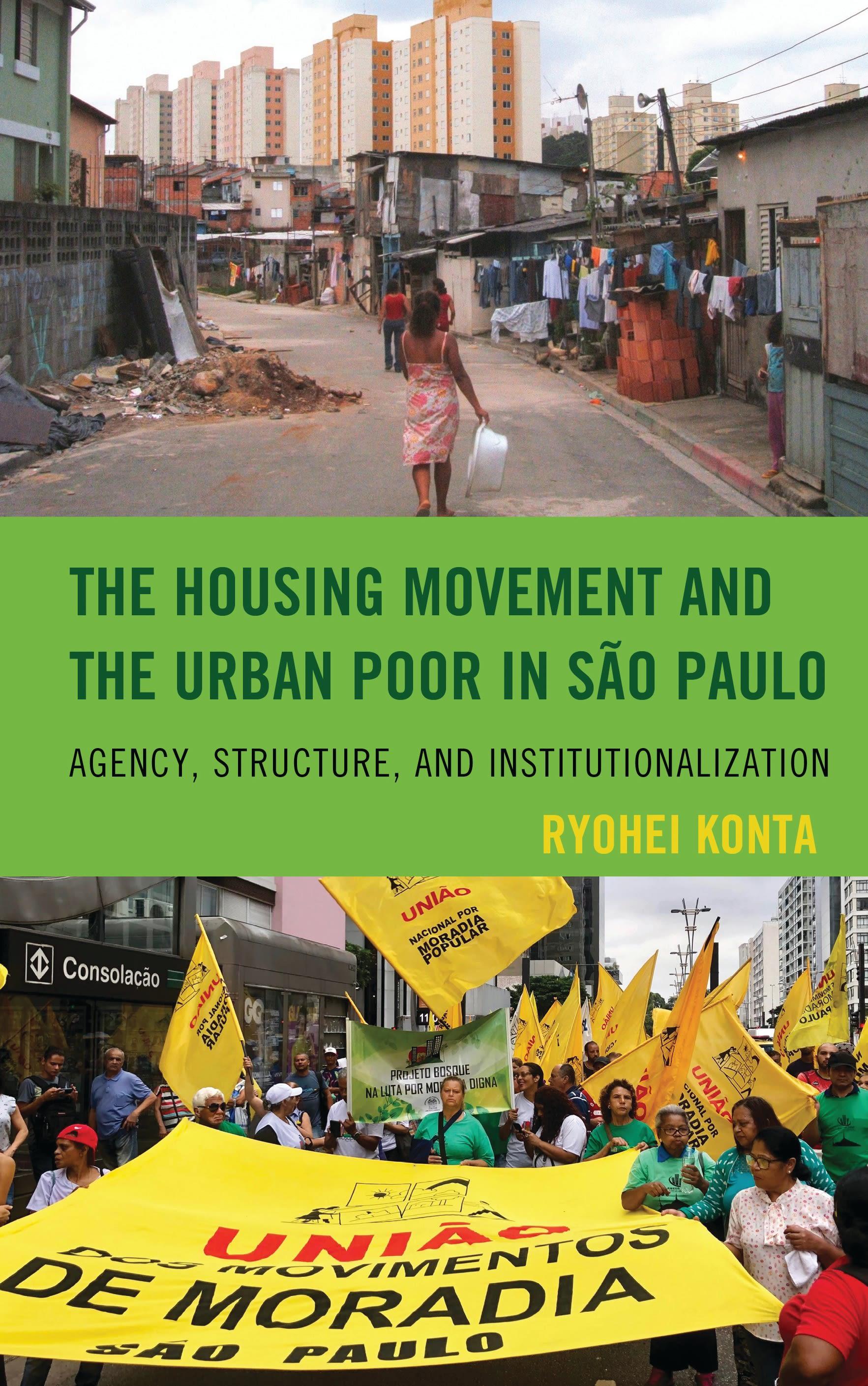
This book explores the ways in which the urban poor population of Brazil participates in social movements. This study focuses on their agency, analyzing the interactive relationship between the urban poor in collective actions and the structural change represented by the participatory administration, which primarily saw implementation and institutionalization in Brazil at the beginning of the 21st century. Ryohei Konta argues that, as the structure of the participatory administration is more actively implemented and institutionalized, social movements will benefit from increased political opportunities. This result encourages the urban poor to participate in social movements as a means to realize their interests. Participation in social movements also stimulates their action with intention and capability (agency), which collectively interacts with the structure of increased opportunities (participatory administration), leading to self-fulfillment and more frequent participation in social movements. Scholars of sociology, Latin American studies, economics, social movements, and urban development will find this book particularly useful.
Zahle einfach mit Karte, Klarna, Apple Pay oder Google Pay. Nicht zufrieden? Du hast immer ein 14-tägiges Widerrufsrecht. Lies mehr in unseren AGB. Hast du Fragen, schreib uns eine E-Mail an hello@memmo.org.
Memmo macht das Lernen einfacher – wo auch immer du bist. Bei uns findest du deine Kursbücher und smarte Lerntools an einem Ort: Zusammenfassungen, Quizzes, Podcasts und Lernkarten. Und Ted, dein Lernbuddy, beantwortet alles, was du wissen möchtest. Über 50.000 Studierende lernen bereits hier – gemacht, damit du schneller lernst und weniger Stress hast.