
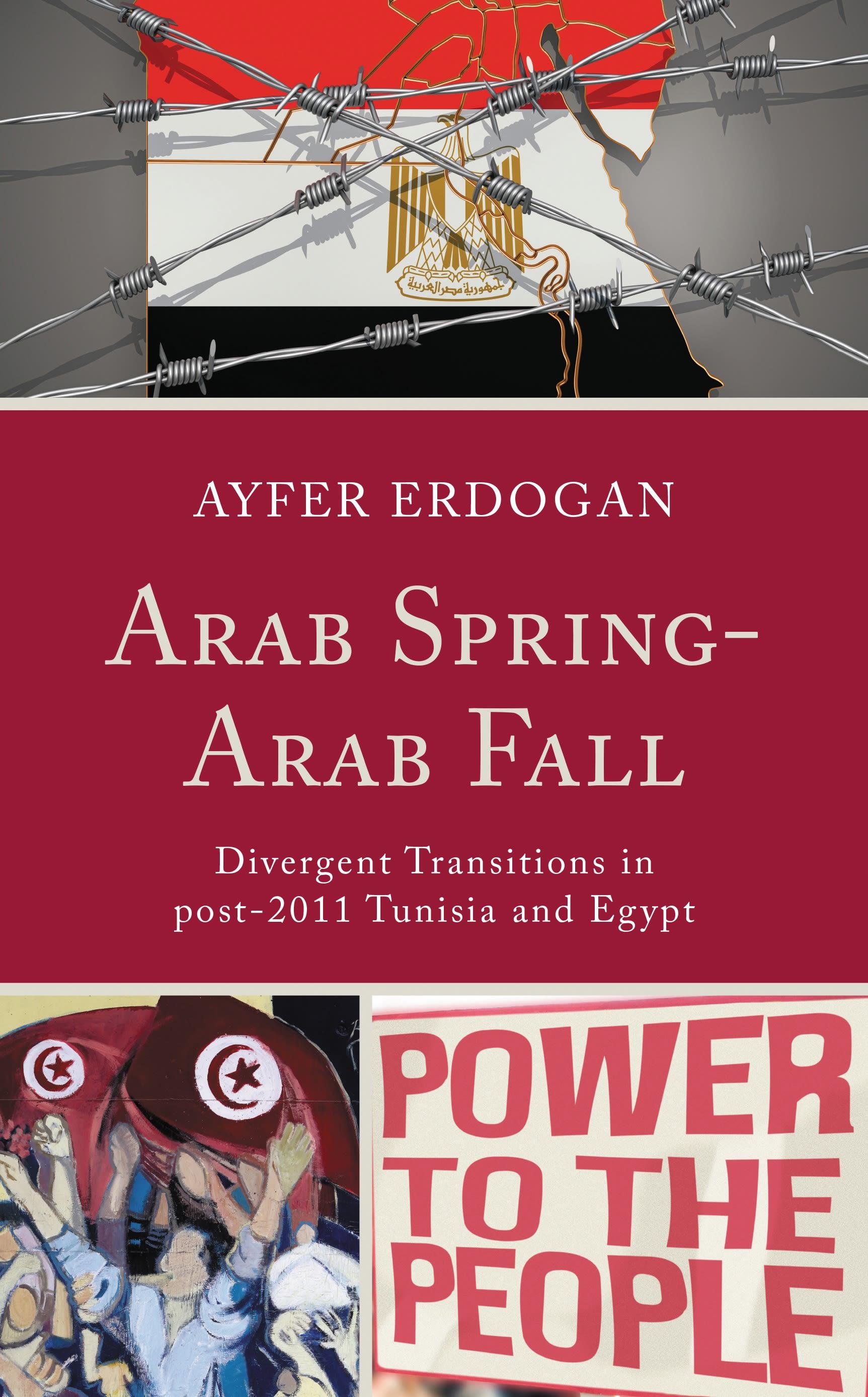
The popular protests in early 2011 were once seen as a turning point in the history of the Arab world, raising hopes for democracy, freedom, and justice in the Middle East. A decade after the uprisings, these hopes are largely dashed in each country swept by popular protests with the exception of Tunisia. Tunisia became the only democracy in the entire region while Egypt saw its first freely elected president and government thrown out by the army in a bloody coup which resulted in a regime that is no less authoritarian than Mubarak’s. This book provides a detailed analysis of the political, economic, and constitutional developments in Tunisia and Egypt. In the light of the existing literature on comparative democratization, the author explores why Egypt’s path to democratization was eroded by several transitional actors while Tunisian political elite managed to move the country towards democracy. The book centers its focus on the role of the political agents in designing the transition and explores the transitional period with respect to the interactions among the political elite and their cost-benefit assumptions, ideological interests, as well as their commitment to democratic processes.
Seiten: 284
Kategorie: Statsvetenskap & Politik
e-ISBN: 9781793610683
Versandgewicht: 1.2 kg
Versand in: 1-2 Tage
Zahle einfach mit Karte, Klarna, Apple Pay oder Google Pay. Nicht zufrieden? Du hast immer ein 14-tägiges Widerrufsrecht. Lies mehr in unseren AGB. Hast du Fragen, schreib uns eine E-Mail an hello@memmo.org.
Memmo macht das Lernen einfacher – wo auch immer du bist. Bei uns findest du deine Kursbücher und smarte Lerntools an einem Ort: Zusammenfassungen, Quizzes, Podcasts und Lernkarten. Und Ted, dein Lernbuddy, beantwortet alles, was du wissen möchtest. Über 50.000 Studierende lernen bereits hier – gemacht, damit du schneller lernst und weniger Stress hast.