
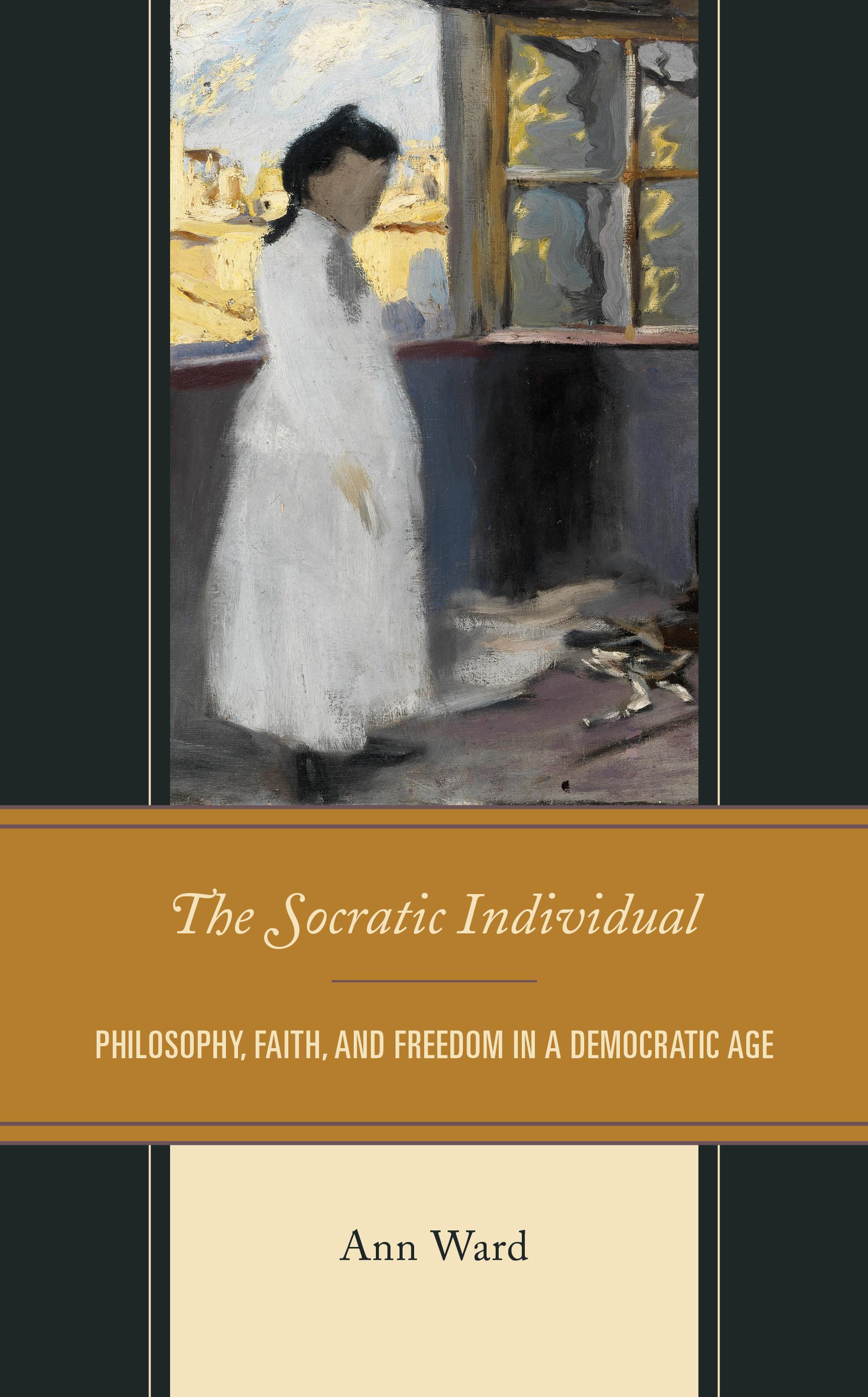
The author explores the recovery of Socratic philosophy in the political thought of G.W.F. Hegel, Soren Kierkegaard, John Stuart Mill, and Friedrich Nietzsche. Ward identifies the cause of the renewed interest in Socrates in Hegel’s call for the absorption of the individual within the modern, liberal state and the concomitant claim that Socratic skepticism should cease because history has reached its end and perfection. Recoiling from Hegel’s attempt to chain the individual within the “cave,” nineteenth century thinkers push back against his deification of the state. Yet, underlying Kierkegaard, Mill and Nietzsche’s turn to Socrates is their acceptance of Hegel’s critique of the liberal conception of the rights-bearing individual. Like Hegel, they agree that such an individual is an unworthy competitor to the state. In search of a noble individual to hold up against the state and counter the belief in the “end” of history, Kierkegaard, Mill and Nietzsche bring back and transform Socrates in significant ways. For Kierkegaard the Socratic philosopher in modern times is the person of faith, for Mill the public intellectual whose idiosyncratic identity arises from the freedom of speech, and for Nietzsche the Dionysian artist. Each model the beauty of individuality in our democratic age.
Zahle einfach mit Karte, Klarna, Apple Pay oder Google Pay. Nicht zufrieden? Du hast immer ein 14-tägiges Widerrufsrecht. Lies mehr in unseren AGB. Hast du Fragen, schreib uns eine E-Mail an hello@memmo.org.
Memmo macht das Lernen einfacher – wo auch immer du bist. Bei uns findest du deine Kursbücher und smarte Lerntools an einem Ort: Zusammenfassungen, Quizzes, Podcasts und Lernkarten. Und Ted, dein Lernbuddy, beantwortet alles, was du wissen möchtest. Über 50.000 Studierende lernen bereits hier – gemacht, damit du schneller lernst und weniger Stress hast.