
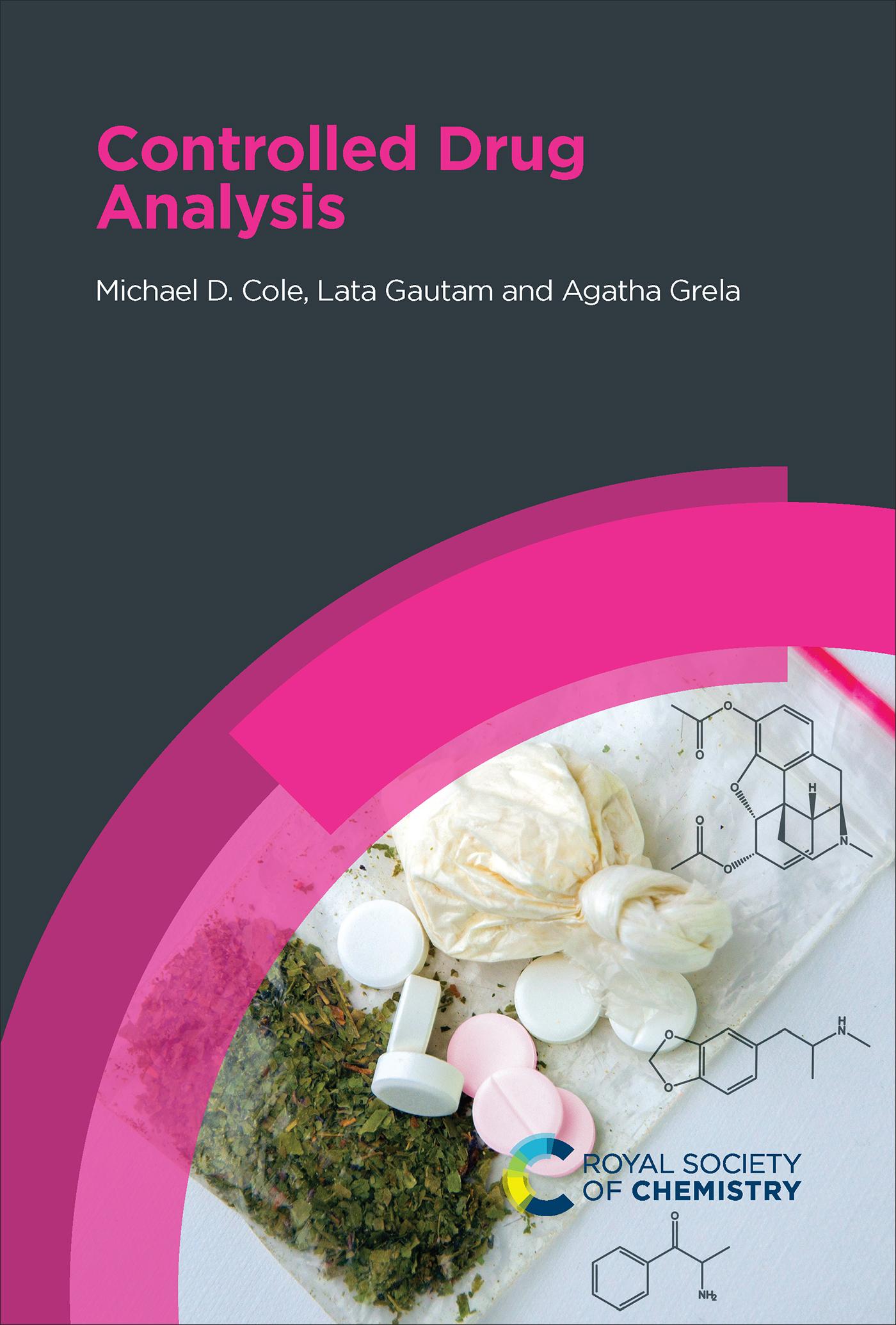
Development of new techniques and methods for analysis of controlled substances brings a different way of considering drug analysis, which is articulated for the first time in this new text. In addition to a modern treatment of the widely known drugs (e.g. cannabis, heroin, cocaine, amphetamines, ring substituted amphetamines) and pharmaceuticals which are used as recreational drugs (e.g. barbiturates, benzodiazepines), the book considers prominent drug classes that have not yet received systematic treatment in a textbook (for example synthetic cannabinoids, piperazines, cathinones, fentanyls). Aimed at undergraduate and postgraduate taught programmes, the book includes methods for drug analysis and comparison using physical, biologically based, comparative and numerical techniques. It will also serve as a reference point for research students and practising forensic scientists. It introduces statistical methods for drug sample comparison and the appropriateness of some of the statistical techniques for drug analysis and examines their use. It also considers newly developed analytical methods and significant legislative changes.
Aimed at academics delivering forensic science courses in particular, it could also be used by chemistry, biochemistry, criminalistics, criminology and law, and policing students on MSc forensic science courses, and postgraduate research candidates.
Zahle einfach mit Karte, Klarna, Apple Pay oder Google Pay. Nicht zufrieden? Du hast immer ein 14-tägiges Widerrufsrecht. Lies mehr in unseren AGB. Hast du Fragen, schreib uns eine E-Mail an hello@memmo.org.
Memmo macht das Lernen einfacher – wo auch immer du bist. Bei uns findest du deine Kursbücher und smarte Lerntools an einem Ort: Zusammenfassungen, Quizzes, Podcasts und Lernkarten. Und Ted, dein Lernbuddy, beantwortet alles, was du wissen möchtest. Über 50.000 Studierende lernen bereits hier – gemacht, damit du schneller lernst und weniger Stress hast.