
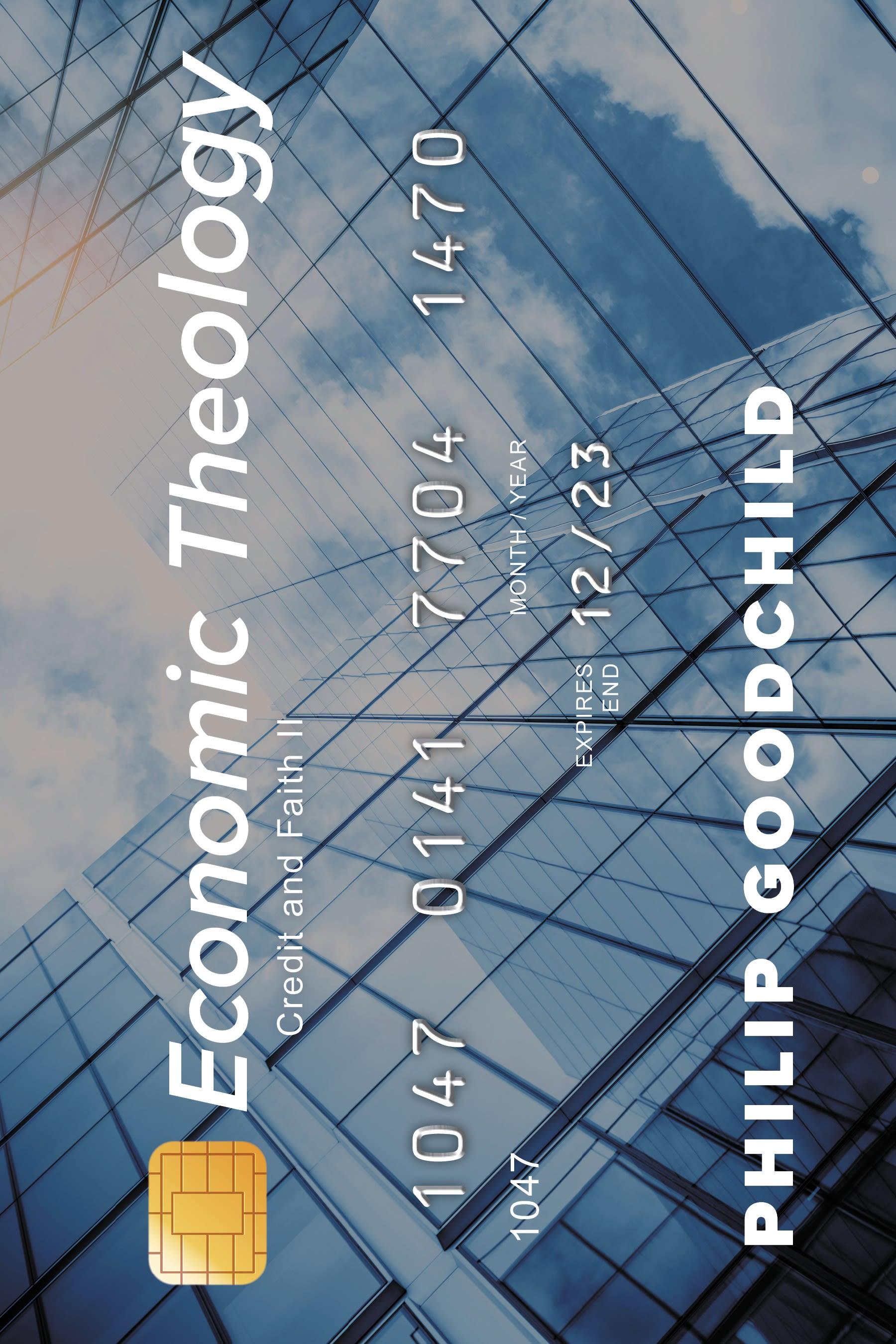
In Economic Theology, Goodchild offers a philosophical analysis of the contemporary economy in terms of the way it structures credit and faith. The Great Financial Crisis of 2007 and onwards has exposed the extent to which the economy functions as a network of credits and debts. Credit and debt may now be understood as the driving force of economic behaviour.
In this analysis, economic theories of markets and money are also ways of ordering trust. Similarly, the institutions of money, finance and banking provide the framework enabling trust and cooperation. Goodchild explores how reliance on such theories and institutions produces disequilibrium dynamics, growing inequalities, increasing enclosure, resource depletion and breakdown. Nevertheless, the failures of the system only intensify efforts to extend the system itself.
Building on and extending Goodchild’s Theology of Money, the author exposes the extent to which humanity has become enslaved within theories and institutions of its own making. As the second volume in his Credit and Faith trilogy, Goodchild explains how the economy itself is a way of shaping time and attention, care and evaluation, trust and cooperation, so directly assuming a theological role. This volume extends the theological critique of the dynamics of financial capitalism.
In this analysis, economic theories of markets and money are also ways of ordering trust. Similarly, the institutions of money, finance and banking provide the framework enabling trust and cooperation. Goodchild explores how reliance on such theories and institutions produces disequilibrium dynamics, growing inequalities, increasing enclosure, resource depletion and breakdown. Nevertheless, the failures of the system only intensify efforts to extend the system itself.
Building on and extending Goodchild’s Theology of Money, the author exposes the extent to which humanity has become enslaved within theories and institutions of its own making. As the second volume in his Credit and Faith trilogy, Goodchild explains how the economy itself is a way of shaping time and attention, care and evaluation, trust and cooperation, so directly assuming a theological role. This volume extends the theological critique of the dynamics of financial capitalism.
Zahle einfach mit Karte, Klarna, Apple Pay oder Google Pay. Nicht zufrieden? Du hast immer ein 14-tägiges Widerrufsrecht. Lies mehr in unseren AGB. Hast du Fragen, schreib uns eine E-Mail an hello@memmo.org.
Memmo macht das Lernen einfacher – wo auch immer du bist. Bei uns findest du deine Kursbücher und smarte Lerntools an einem Ort: Zusammenfassungen, Quizzes, Podcasts und Lernkarten. Und Ted, dein Lernbuddy, beantwortet alles, was du wissen möchtest. Über 50.000 Studierende lernen bereits hier – gemacht, damit du schneller lernst und weniger Stress hast.