
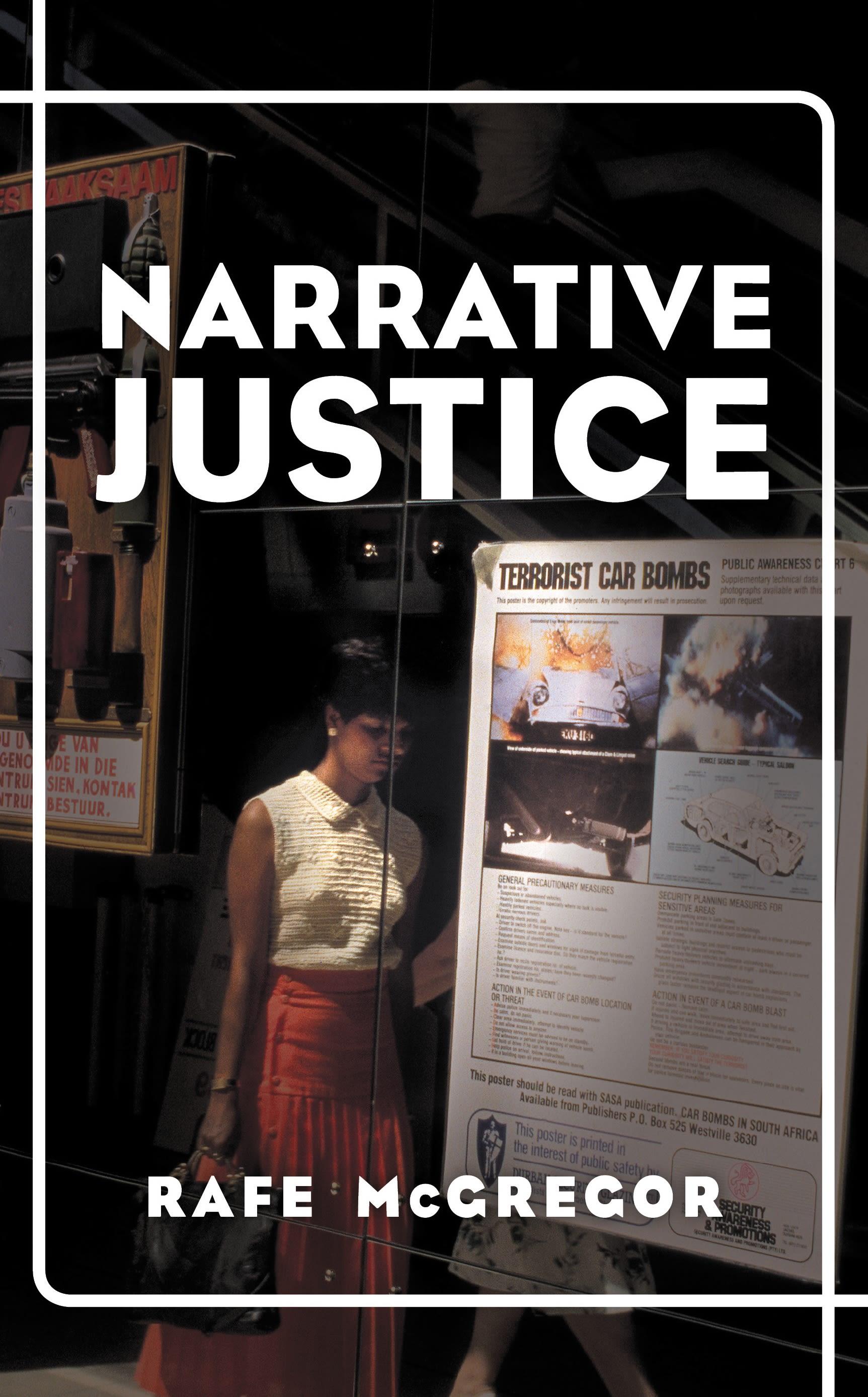
This book introduces narrative justice, a new theory of aesthetic education – the thesis that the cultivation of aesthetic or artistic sensibility can both improve moral character and achieve political justice. The author argues that there is a subcategory of narrative representations that provide moral knowledge regardless of their categorisation as fiction or non-fiction, and which therefore can be employed as a means of moral improvement. McGregor applies this narrative ethics to the criminology of inhumanity, including both crimes against humanity and terrorism. Expanding on the methodology of narrative criminology, he demonstrates that narrative representations can be employed to evaluate responsibility for inhumanity, to understand the psychology of inhumanity, and to undermine inhumanity – and are thus a means to the end of opposing injustice. He concludes that the cultivation of narrative sensibility is an important tool for both moral improvement and political justice.
Zahle einfach mit Karte, Klarna, Apple Pay oder Google Pay. Nicht zufrieden? Du hast immer ein 14-tägiges Widerrufsrecht. Lies mehr in unseren AGB. Hast du Fragen, schreib uns eine E-Mail an hello@memmo.org.
Memmo macht das Lernen einfacher – wo auch immer du bist. Bei uns findest du deine Kursbücher und smarte Lerntools an einem Ort: Zusammenfassungen, Quizzes, Podcasts und Lernkarten. Und Ted, dein Lernbuddy, beantwortet alles, was du wissen möchtest. Über 50.000 Studierende lernen bereits hier – gemacht, damit du schneller lernst und weniger Stress hast.