
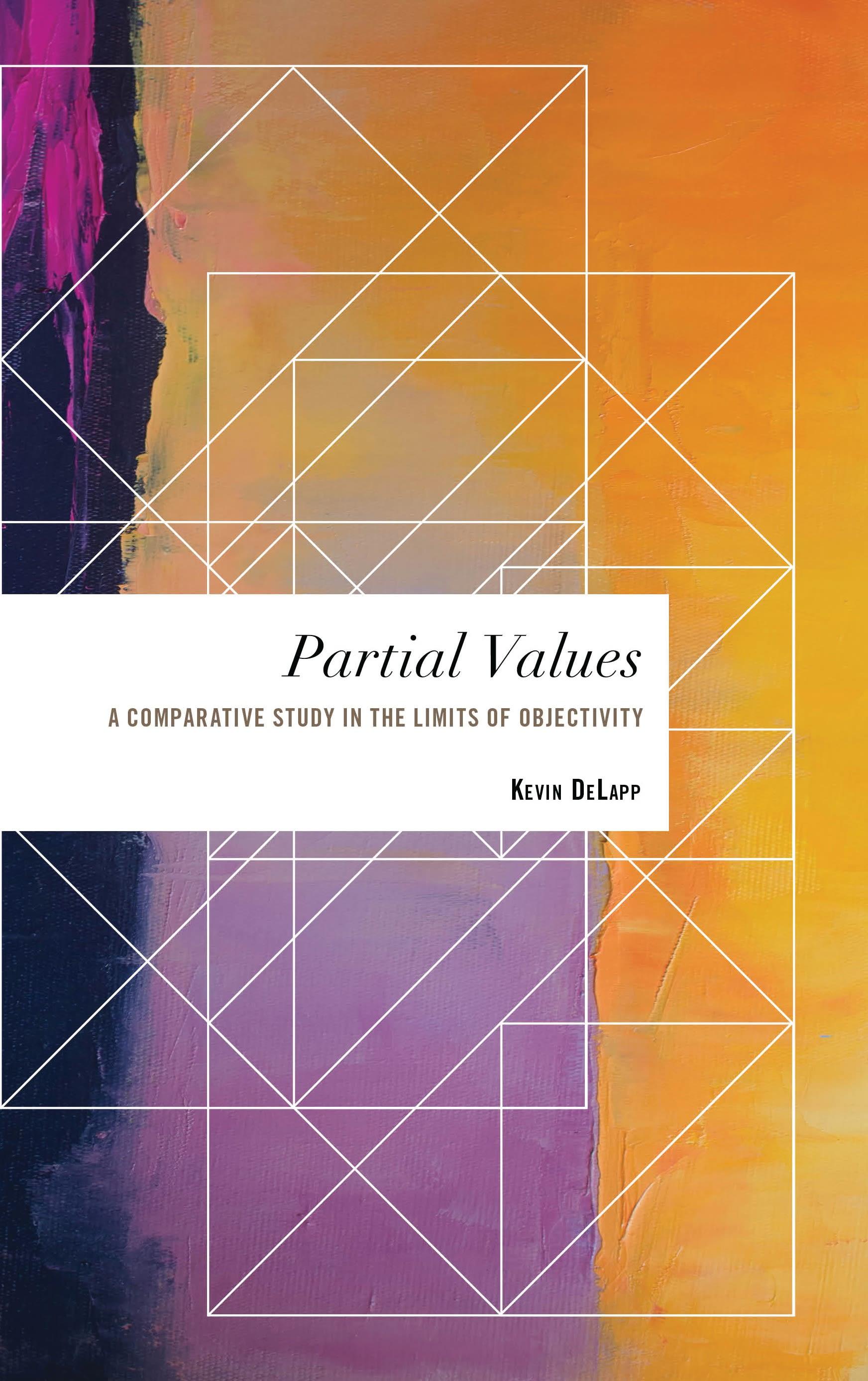
When, if ever, is it permissible to afford special consideration to friends and family? How can we strive to be objective in our thinking, and is this always a feasible or appropriate aim?
This book examines the categories of impartiality and objectivity by showing how they frame certain debates in epistemology, moral psychology, and metaethics, arguing that many traditional conceptions of objectivity fail to capture what is important to our identities as knowers, social beings, and moral agents. A new thesis of ‘perspectival realism’ is offered as a critique of strong objectivity, but in a way that avoids radical subjectivism or relativism. Locally-situated identities can provide their own criteria of epistemic and moral justification, and we may aspire to be impartial in a way that need not sacrifice particular perspectives and relationships. Arguments throughout the book draw heavily on resources from classical Chinese philosophy, and significant attention is given to applications of arguments to
concrete issues in applied ethics, cross-cultural anthropology, and political science.
This book examines the categories of impartiality and objectivity by showing how they frame certain debates in epistemology, moral psychology, and metaethics, arguing that many traditional conceptions of objectivity fail to capture what is important to our identities as knowers, social beings, and moral agents. A new thesis of ‘perspectival realism’ is offered as a critique of strong objectivity, but in a way that avoids radical subjectivism or relativism. Locally-situated identities can provide their own criteria of epistemic and moral justification, and we may aspire to be impartial in a way that need not sacrifice particular perspectives and relationships. Arguments throughout the book draw heavily on resources from classical Chinese philosophy, and significant attention is given to applications of arguments to
concrete issues in applied ethics, cross-cultural anthropology, and political science.
Zahle einfach mit Karte, Klarna, Apple Pay oder Google Pay. Nicht zufrieden? Du hast immer ein 14-tägiges Widerrufsrecht. Lies mehr in unseren AGB. Hast du Fragen, schreib uns eine E-Mail an hello@memmo.org.
Memmo macht das Lernen einfacher – wo auch immer du bist. Bei uns findest du deine Kursbücher und smarte Lerntools an einem Ort: Zusammenfassungen, Quizzes, Podcasts und Lernkarten. Und Ted, dein Lernbuddy, beantwortet alles, was du wissen möchtest. Über 50.000 Studierende lernen bereits hier – gemacht, damit du schneller lernst und weniger Stress hast.