
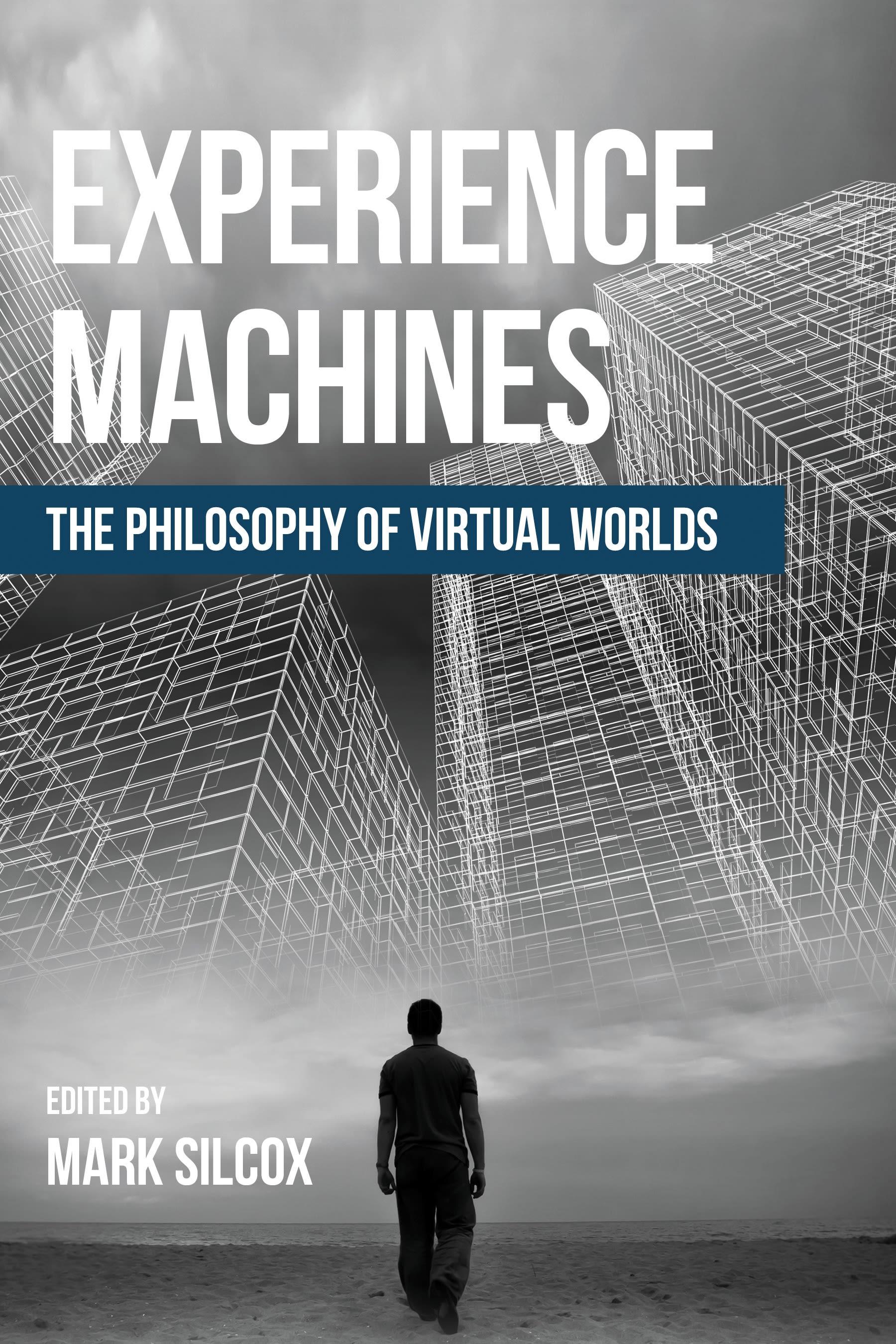
In his classic work Anarchy, State and Utopia, Robert Nozick asked his readers to imagine being permanently plugged into a 'machine that would give you any experience you desired'. He speculated that, in spite of the many obvious attractions of such a prospect, most people would choose against passing the rest of their lives under the influence of this type of invention. Nozick thought (and many have since agreed) that this simple thought experiment had profound implications for how we think about ethics, political justice, and the significance of technology in our everyday lives.
Nozick’s argument was made in 1974, about a decade before the personal computer revolution in Europe and North America. Since then, opportunities for the citizens of industrialized societies to experience virtual worlds and simulated environments have multiplied to an extent that no philosopher could have predicted. The authors in this volume re-evaluate the merits of Nozick’s argument, and use it as a jumping–off point for the philosophical examination of subsequent developments in culture and technology, including a variety of experience-altering cybernetic technologies such as computer games, social media networks, HCI devices, and neuro-prostheses.
Nozick’s argument was made in 1974, about a decade before the personal computer revolution in Europe and North America. Since then, opportunities for the citizens of industrialized societies to experience virtual worlds and simulated environments have multiplied to an extent that no philosopher could have predicted. The authors in this volume re-evaluate the merits of Nozick’s argument, and use it as a jumping–off point for the philosophical examination of subsequent developments in culture and technology, including a variety of experience-altering cybernetic technologies such as computer games, social media networks, HCI devices, and neuro-prostheses.
Zahle einfach mit Karte, Klarna, Apple Pay oder Google Pay. Nicht zufrieden? Du hast immer ein 14-tägiges Widerrufsrecht. Lies mehr in unseren AGB. Hast du Fragen, schreib uns eine E-Mail an hello@memmo.org.
Memmo macht das Lernen einfacher – wo auch immer du bist. Bei uns findest du deine Kursbücher und smarte Lerntools an einem Ort: Zusammenfassungen, Quizzes, Podcasts und Lernkarten. Und Ted, dein Lernbuddy, beantwortet alles, was du wissen möchtest. Über 50.000 Studierende lernen bereits hier – gemacht, damit du schneller lernst und weniger Stress hast.