
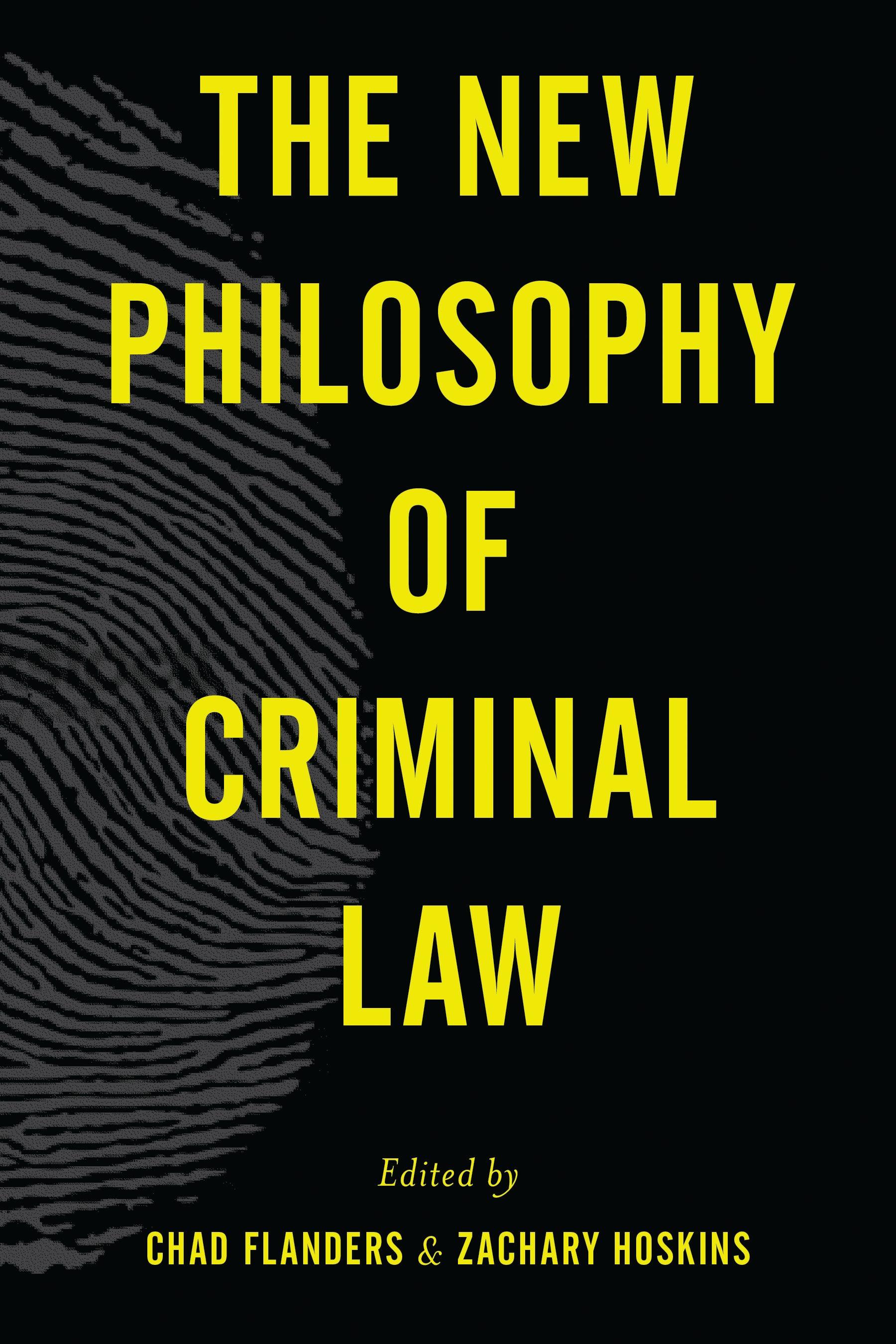
There is no more vivid example of a state’s power over its citizens than the criminal law. By criminalizing various behaviours, the state sets boundaries on what we can and cannot do. And the criminal law is in many ways unique in the harshness of its sanctions. But traditional criminal law theory has for too long focussed on the questions, “what is a crime?” and “what is the justification of punishment?” The significance of the criminal law extends beyond these questions; indeed, critical philosophical questions underlie all aspects of the criminal justice system. The criminal law engages us not just as offenders or potential offenders, but also as victims, suspects, judges and jurors, prosecutors and defenders—and as citizens.
The authors in this volume go beyond traditional questions to challenge our conventional understandings of the criminal law. In doing so, they draw from a number of disciplines including philosophy, history, and social science.
The authors in this volume go beyond traditional questions to challenge our conventional understandings of the criminal law. In doing so, they draw from a number of disciplines including philosophy, history, and social science.
Zahle einfach mit Karte, Klarna, Apple Pay oder Google Pay. Nicht zufrieden? Du hast immer ein 14-tägiges Widerrufsrecht. Lies mehr in unseren AGB. Hast du Fragen, schreib uns eine E-Mail an hello@memmo.org.
Memmo macht das Lernen einfacher – wo auch immer du bist. Bei uns findest du deine Kursbücher und smarte Lerntools an einem Ort: Zusammenfassungen, Quizzes, Podcasts und Lernkarten. Und Ted, dein Lernbuddy, beantwortet alles, was du wissen möchtest. Über 50.000 Studierende lernen bereits hier – gemacht, damit du schneller lernst und weniger Stress hast.