
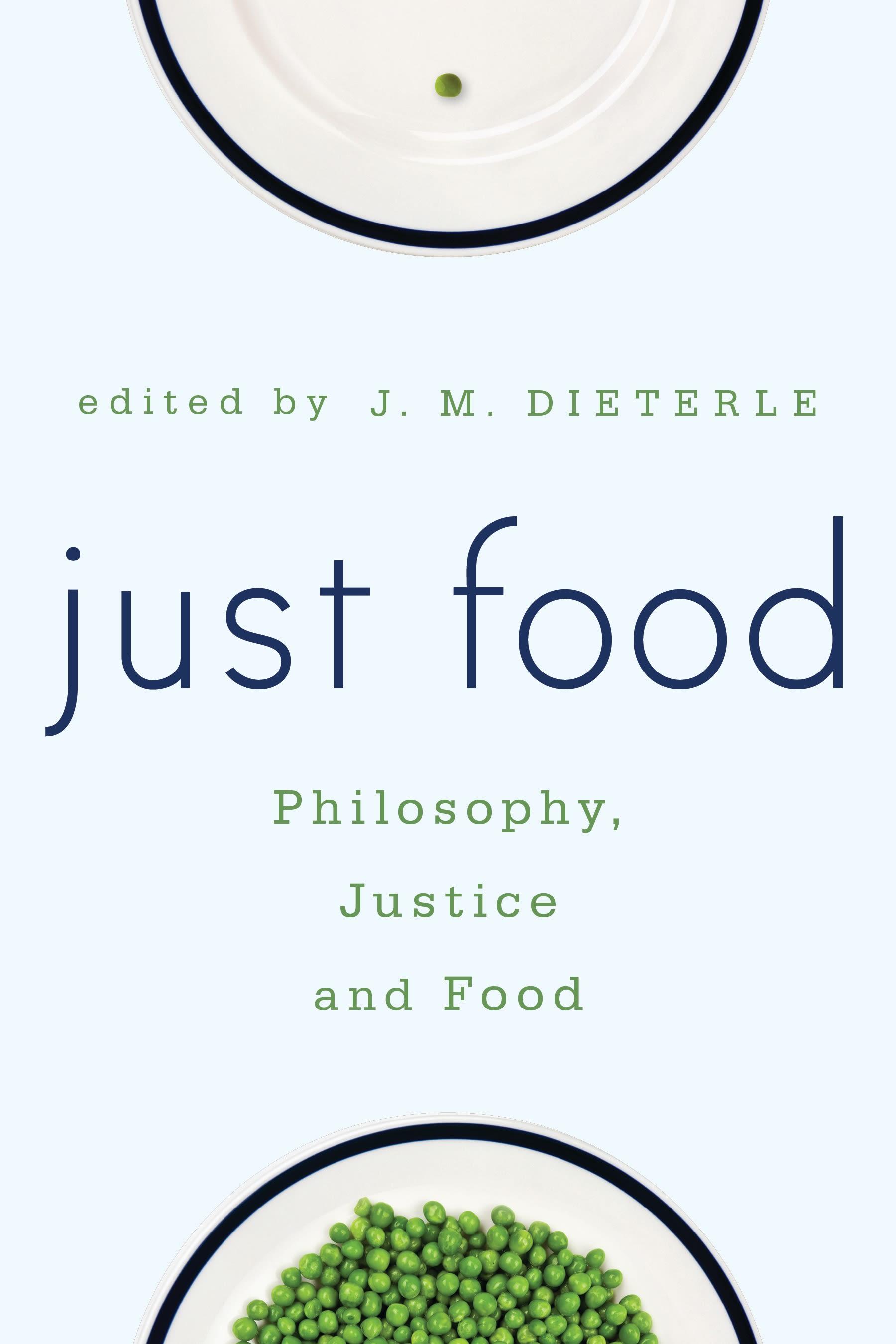
Who has access, and who is denied access, to food, and why? What are the consequences of food insecurity? What would it take for the food system to be just?
Just Food: Philosophy, Justice and Food presents thirteen new philosophical essays that explore the causes and consequences of the inequities of our contemporary food system. It examines why 842 million people globally are unable to meet their dietary needs, and why food insecurity is not simply a matter of insufficient supply. The book looks at how food insecurity tracks other social injustices, covering topics such as race, gender and property, as well as food sovereignty, food deserts, and locavorism. The essays in this volume make an important and timely contribution to the wider philosophical debate around food distribution and justice.
Just Food: Philosophy, Justice and Food presents thirteen new philosophical essays that explore the causes and consequences of the inequities of our contemporary food system. It examines why 842 million people globally are unable to meet their dietary needs, and why food insecurity is not simply a matter of insufficient supply. The book looks at how food insecurity tracks other social injustices, covering topics such as race, gender and property, as well as food sovereignty, food deserts, and locavorism. The essays in this volume make an important and timely contribution to the wider philosophical debate around food distribution and justice.
Zahle einfach mit Karte, Klarna, Apple Pay oder Google Pay. Nicht zufrieden? Du hast immer ein 14-tägiges Widerrufsrecht. Lies mehr in unseren AGB. Hast du Fragen, schreib uns eine E-Mail an hello@memmo.org.
Memmo macht das Lernen einfacher – wo auch immer du bist. Bei uns findest du deine Kursbücher und smarte Lerntools an einem Ort: Zusammenfassungen, Quizzes, Podcasts und Lernkarten. Und Ted, dein Lernbuddy, beantwortet alles, was du wissen möchtest. Über 50.000 Studierende lernen bereits hier – gemacht, damit du schneller lernst und weniger Stress hast.