
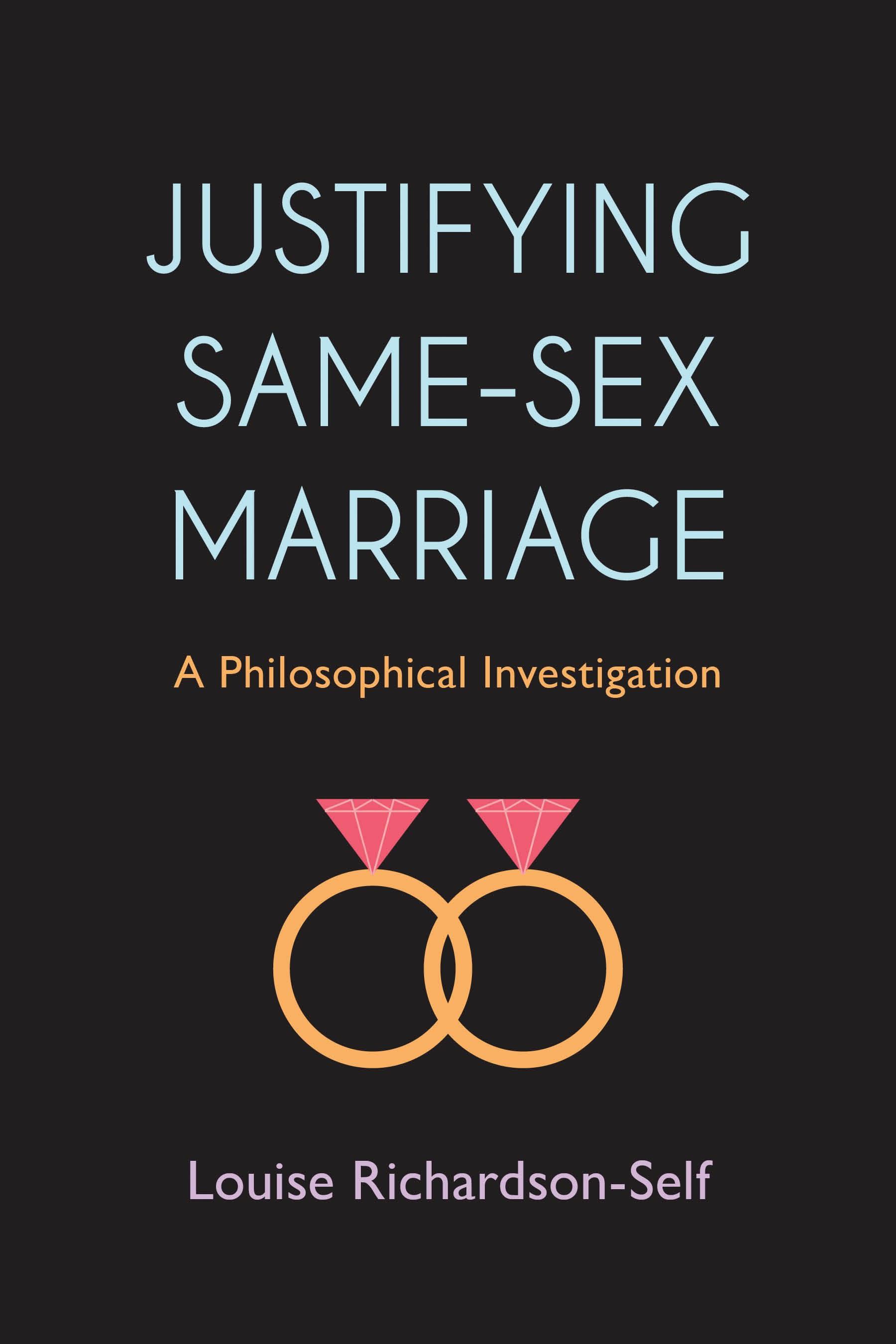
There is massive public interest in same-sex marriage, a controversial topic that is rarely out of the media. This book investigates the extent to which legalizing same-sex marriage can contribute to ending the discrimination and social stigma faced by lesbian, gay, bisexual, and transgender men and women (LGBT) in the Western world.
This issue breaks down into several further questions: can marriage equality be defended without reinforcing the idea that marriage is the most/only valuable form of intimate relationship? Can marriage equality be defended without further marginalizing non-conforming LGBT people? What kind of equality should LGBT people strive for? What critical agency might they lose when this equality is achieved? What institutional legacies should we embrace? The book focuses on human rights arguments supporting same-sex marriage and questions whether they are likely to both justify legal change and encourage shifts in the sociopolitical reception of LGBT people. After critically analyzing various arguments in favor of same-sex marriage, the author puts forward a justification that allows for marriage equality and does not result in the assimilation of queer identities into heteronormative identity.
This issue breaks down into several further questions: can marriage equality be defended without reinforcing the idea that marriage is the most/only valuable form of intimate relationship? Can marriage equality be defended without further marginalizing non-conforming LGBT people? What kind of equality should LGBT people strive for? What critical agency might they lose when this equality is achieved? What institutional legacies should we embrace? The book focuses on human rights arguments supporting same-sex marriage and questions whether they are likely to both justify legal change and encourage shifts in the sociopolitical reception of LGBT people. After critically analyzing various arguments in favor of same-sex marriage, the author puts forward a justification that allows for marriage equality and does not result in the assimilation of queer identities into heteronormative identity.
Zahle einfach mit Karte, Klarna, Apple Pay oder Google Pay. Nicht zufrieden? Du hast immer ein 14-tägiges Widerrufsrecht. Lies mehr in unseren AGB. Hast du Fragen, schreib uns eine E-Mail an hello@memmo.org.
Memmo macht das Lernen einfacher – wo auch immer du bist. Bei uns findest du deine Kursbücher und smarte Lerntools an einem Ort: Zusammenfassungen, Quizzes, Podcasts und Lernkarten. Und Ted, dein Lernbuddy, beantwortet alles, was du wissen möchtest. Über 50.000 Studierende lernen bereits hier – gemacht, damit du schneller lernst und weniger Stress hast.