
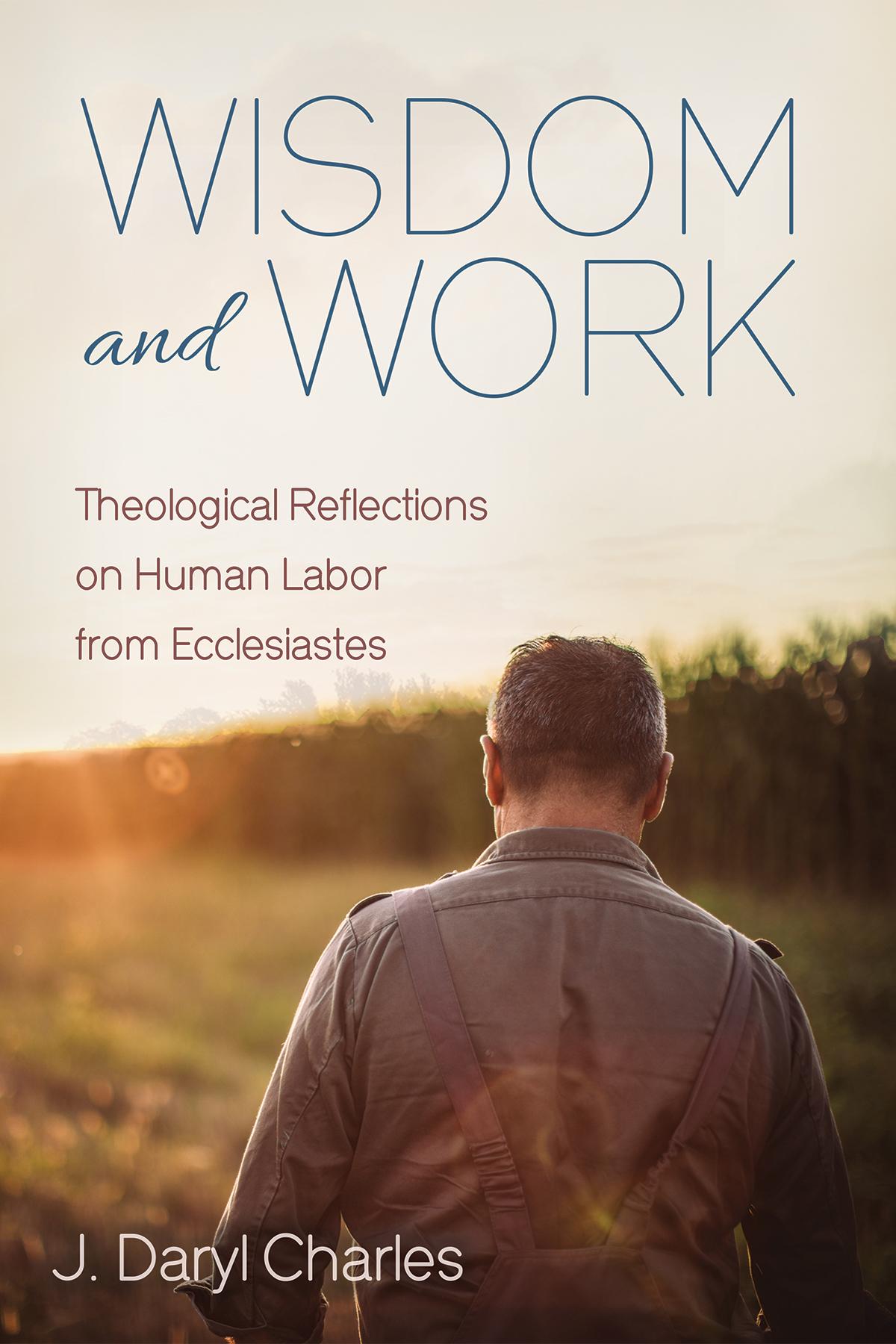
Alluring yet frustrating. Charming yet maddening. Such is our reaction to the literary wonder called Ecclesiastes (Qoheleth), a "wisdom" book that has captured the fascination of readers everywhere for over two millennia with its mix of poetry and personal reflection, its probing of the human experience and its piercing assessment of human activity--especially human labor. Its "All is meaningless!" lament, which frames the document, is well known to all. But its message and the structure of the writer's argument remain disputed, even among professional scholars. Often overlooked, when not ignored, is the relationship between joy or contentment and the fear of God. And almost universally ignored in standard commentary is the role that satisfaction in our work plays in the life of the God-fearer. Against the mainstream of biblical scholarship, Wisdom and Work argues for the presence of a double theme in Ecclesiastes. It argues that, based on the writer's literary-rhetorical strategy, two diametrically opposed outlooks on life are being contrasted in Ecclesiastes, and that meaning and purpose, not "meaninglessness," are by divine design to be the norm - a norm that infuses the daily, the ordinary, and perhaps most significantly, our work.
Zahle einfach mit Karte, Klarna, Apple Pay oder Google Pay. Nicht zufrieden? Du hast immer ein 14-tägiges Widerrufsrecht. Lies mehr in unseren AGB. Hast du Fragen, schreib uns eine E-Mail an hello@memmo.org.
Memmo macht das Lernen einfacher – wo auch immer du bist. Bei uns findest du deine Kursbücher und smarte Lerntools an einem Ort: Zusammenfassungen, Quizzes, Podcasts und Lernkarten. Und Ted, dein Lernbuddy, beantwortet alles, was du wissen möchtest. Über 50.000 Studierende lernen bereits hier – gemacht, damit du schneller lernst und weniger Stress hast.
Das könnte dir auch gefallen
Buch kaufen0