
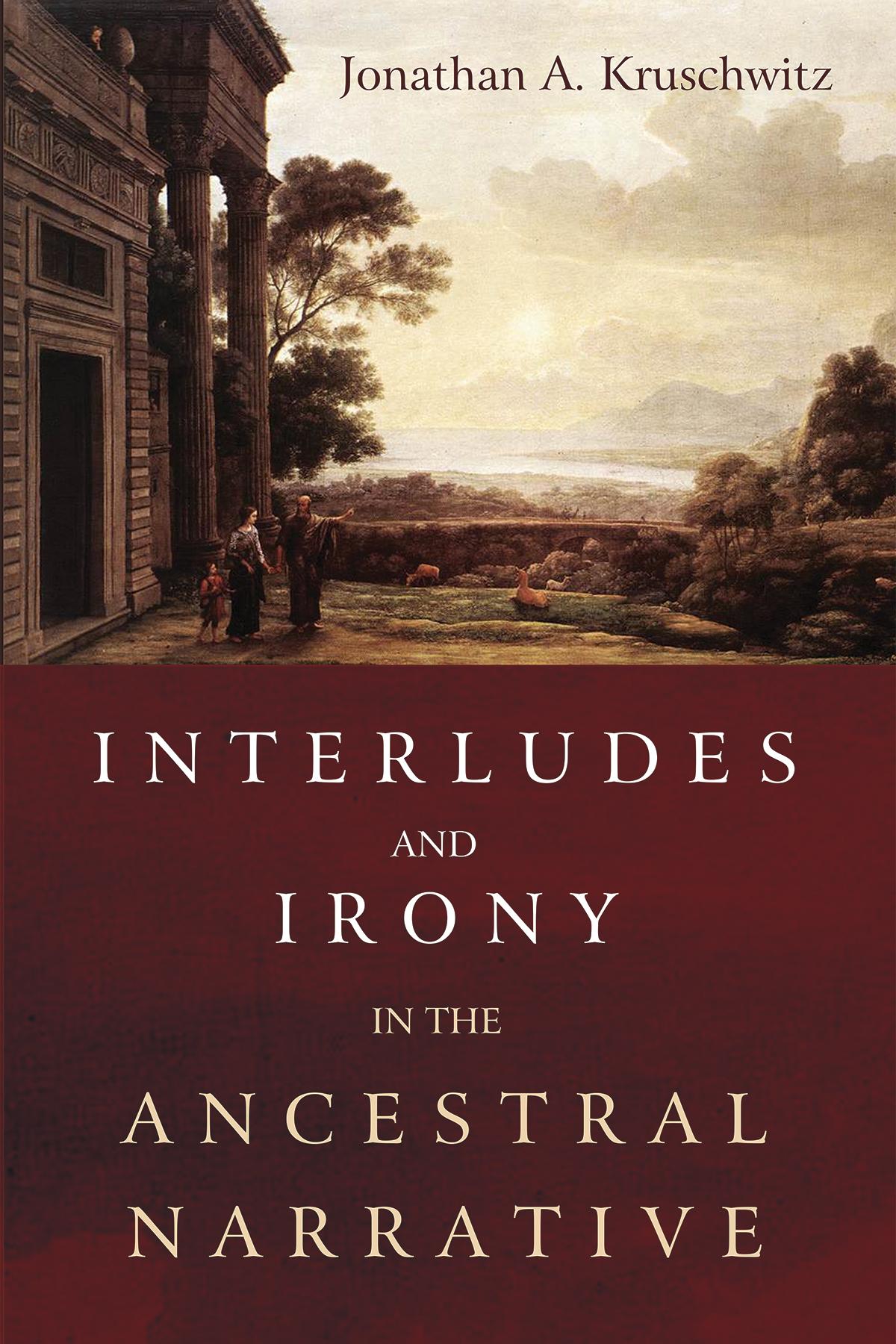
The stories of Hagar, Dinah, and Tamar stand out as strangers in the ancestral narrative. They deviate from the main plot and draw attention to the interests and fates of characters who are not a part of the ancestral family. Readers have traditionally domesticated these strange stories. They have made them "familiar"--all about the ancestral family. Thus Hagar's story becomes a drama of deselection, Shechem and the Hivites become emblematic for ancestral conflict with the people of the land, and Tamar becomes a lens by which to read providence in the story of Joseph.
This study resurrects the question of these stories' strangeness. Rather than allow the ancestral narrative to determine their significance, it attends to each interlude's particularity and detects ironic gestures made toward the ancestral narrative. These stories contain within them the potential to defamiliarize key themes of ancestral identity: the ancestral-divine relationship, ancestral relations to the land and its inhabitants, and ancestral self-identity. Perhaps the ancestral family are not the only privileged partners of God, the only heirs to the land, or the only bloodline fit to bear the next generation.
Zahle einfach mit Karte, Klarna, Apple Pay oder Google Pay. Nicht zufrieden? Du hast immer ein 14-tägiges Widerrufsrecht. Lies mehr in unseren AGB. Hast du Fragen, schreib uns eine E-Mail an hello@memmo.org.
Memmo macht das Lernen einfacher – wo auch immer du bist. Bei uns findest du deine Kursbücher und smarte Lerntools an einem Ort: Zusammenfassungen, Quizzes, Podcasts und Lernkarten. Und Ted, dein Lernbuddy, beantwortet alles, was du wissen möchtest. Über 50.000 Studierende lernen bereits hier – gemacht, damit du schneller lernst und weniger Stress hast.
Das könnte dir auch gefallen
Buch kaufen0