
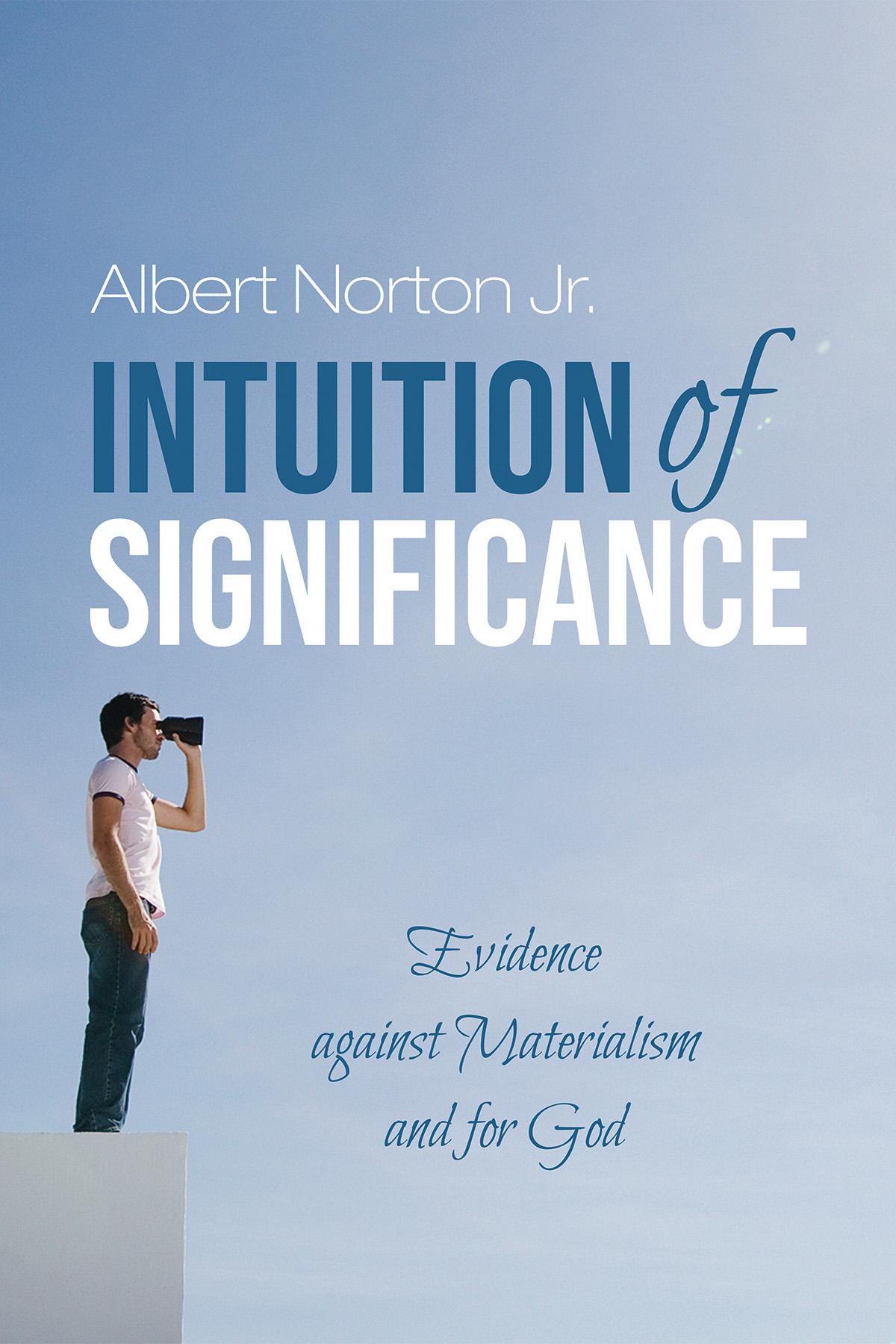
There is a big gap between the orthodox Christian understanding of reality, and that of the default materialism of the culture. We tend not to recognize the default perspective as coherent, doctrinal, and dogmatic, in the same way religion is understood to be. This is partly because of the tendency to describe one's views by what they are not, rather than what they are. To say "I'm not very religious," for example, is to say what one isn't, not what one is. The effect of this tendency is to obscure the metaphysical stance absorbed in place of religion, leaving an illusory neutrality concerning spiritual truth.
Reality is the widest conceptual net we can cast. The right first question is: what constitutes all of reality? Theism provides one answer, materialism another. We would do well to look critically at both. This book traces the fault line between theism and materialism so as to follow the evidence where it leads--evidence like the fact of being; our incessant yearning; our competing desires both for significance and insignificance; and the subjective motivations we have with respect to beauty, truth, and morality, all indicators of transcendent truth to which our physical surroundings point.
Zahle einfach mit Karte, Klarna, Apple Pay oder Google Pay. Nicht zufrieden? Du hast immer ein 14-tägiges Widerrufsrecht. Lies mehr in unseren AGB. Hast du Fragen, schreib uns eine E-Mail an hello@memmo.org.
Memmo macht das Lernen einfacher – wo auch immer du bist. Bei uns findest du deine Kursbücher und smarte Lerntools an einem Ort: Zusammenfassungen, Quizzes, Podcasts und Lernkarten. Und Ted, dein Lernbuddy, beantwortet alles, was du wissen möchtest. Über 50.000 Studierende lernen bereits hier – gemacht, damit du schneller lernst und weniger Stress hast.
Das könnte dir auch gefallen
Buch kaufen0