
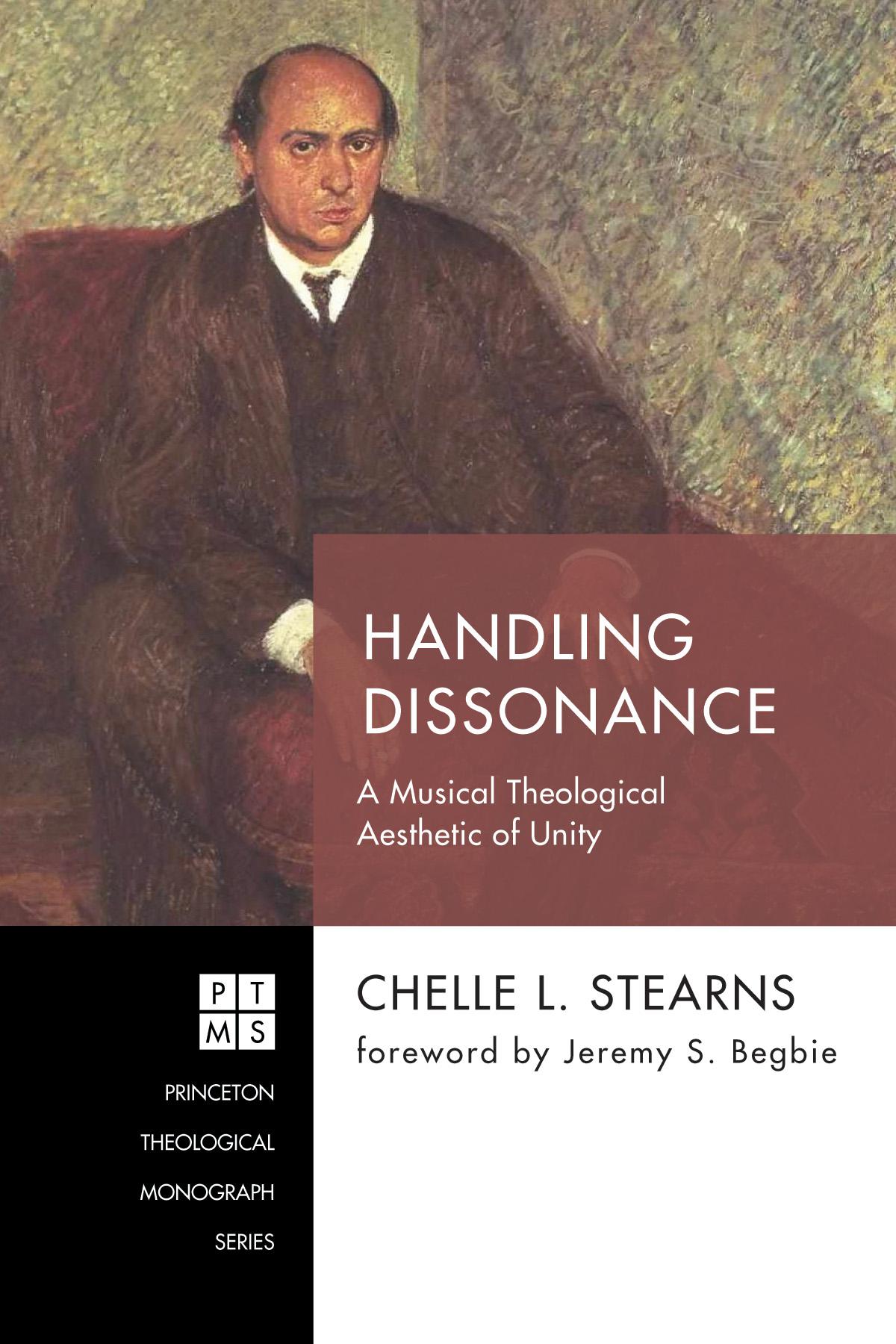
Music can answer questions that often confound more discursive modes of thought. Music takes concepts that are all too familiar, reframes these concepts, and returns them to us with incisive clarity and renewed vision. Unity is one of these "all too familiar concepts," thrown around by politicians, journalists, and pastors as if we all know what it means. By turning to music, especially musical space, the relational structure of unity becomes less abstract and more tangible within our philosophy. Arnold Schoenberg, as an inherently musical thinker, is our guide in this study of unity. His reworking of musical structure, dissonance, and metaphysics transformed the tonal language and aesthetic landscape of twentieth-century music. His philosophy of compositional unity helps us to deconstruct and reconceive how unity can be understood and worked with both aesthetically and theologically. This project also critiques Schoenberg's often monadic musical metaphysic by turning to Colin Gunton's conviction that the particularity and unity at the heart of God's triune being should guide all of our theological endeavors. Throughout, music accompanies our thinking, demonstrating not only how theology can benefit the philosophy of music but also how the philosophy of music can enrich and augment theological discourse.
Zahle einfach mit Karte, Klarna, Apple Pay oder Google Pay. Nicht zufrieden? Du hast immer ein 14-tägiges Widerrufsrecht. Lies mehr in unseren AGB. Hast du Fragen, schreib uns eine E-Mail an hello@memmo.org.
Memmo macht das Lernen einfacher – wo auch immer du bist. Bei uns findest du deine Kursbücher und smarte Lerntools an einem Ort: Zusammenfassungen, Quizzes, Podcasts und Lernkarten. Und Ted, dein Lernbuddy, beantwortet alles, was du wissen möchtest. Über 50.000 Studierende lernen bereits hier – gemacht, damit du schneller lernst und weniger Stress hast.
Das könnte dir auch gefallen
Buch kaufen0