
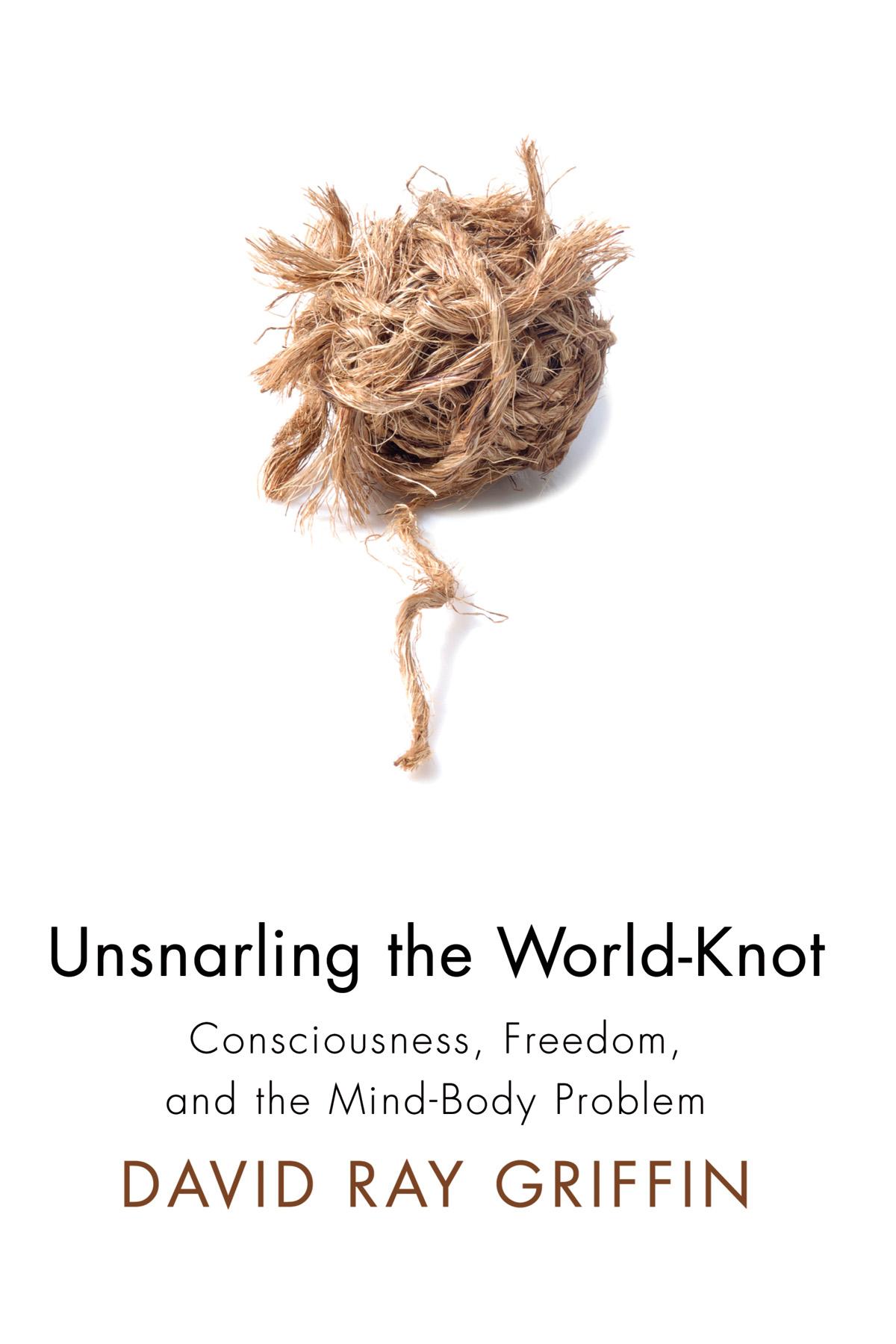
The mind-body problem, which Schopenhauer called the "world-knot," has been a central problem for philosophy since the time of Descartes. Among realists--those who accept the reality of the physical world--the two dominant approaches have been dualism and materialism, but there is a growing consensus that, if we are ever to understand how mind and body are related, a radically new approach is required.
David Ray Griffin develops a third form of realism, one that resolves the basic problem (common to dualism and materialism) of the continued acceptance of the Cartesian view of matter. In dialogue with various philosophers, including Dennett, Kim, McGinn, Nagel, Seager, Searle, and Strawson, Griffin shows that materialist physicalism is even more problematic than dualism. He proposes instead a panexperientialist physicalism grounded in the process philosophy of Alfred North Whitehead. Answering those who have rejected "panpsychism" as obviously absurd, Griffin argues compellingly that panexperientialism, by taking experience and spontaneity as fully natural, can finally provide a naturalistic account of the emergence of consciousness--an account that also does justice to the freedom we all suppose in practice.
Zahle einfach mit Karte, Klarna, Apple Pay oder Google Pay. Nicht zufrieden? Du hast immer ein 14-tägiges Widerrufsrecht. Lies mehr in unseren AGB. Hast du Fragen, schreib uns eine E-Mail an hello@memmo.org.
Memmo macht das Lernen einfacher – wo auch immer du bist. Bei uns findest du deine Kursbücher und smarte Lerntools an einem Ort: Zusammenfassungen, Quizzes, Podcasts und Lernkarten. Und Ted, dein Lernbuddy, beantwortet alles, was du wissen möchtest. Über 50.000 Studierende lernen bereits hier – gemacht, damit du schneller lernst und weniger Stress hast.
Das könnte dir auch gefallen
Buch kaufen0