
"...It is a true tale of grief and trial, and sorrow...such tales usually are; if it were one of unmixed joy and happiness, it would be very brief.
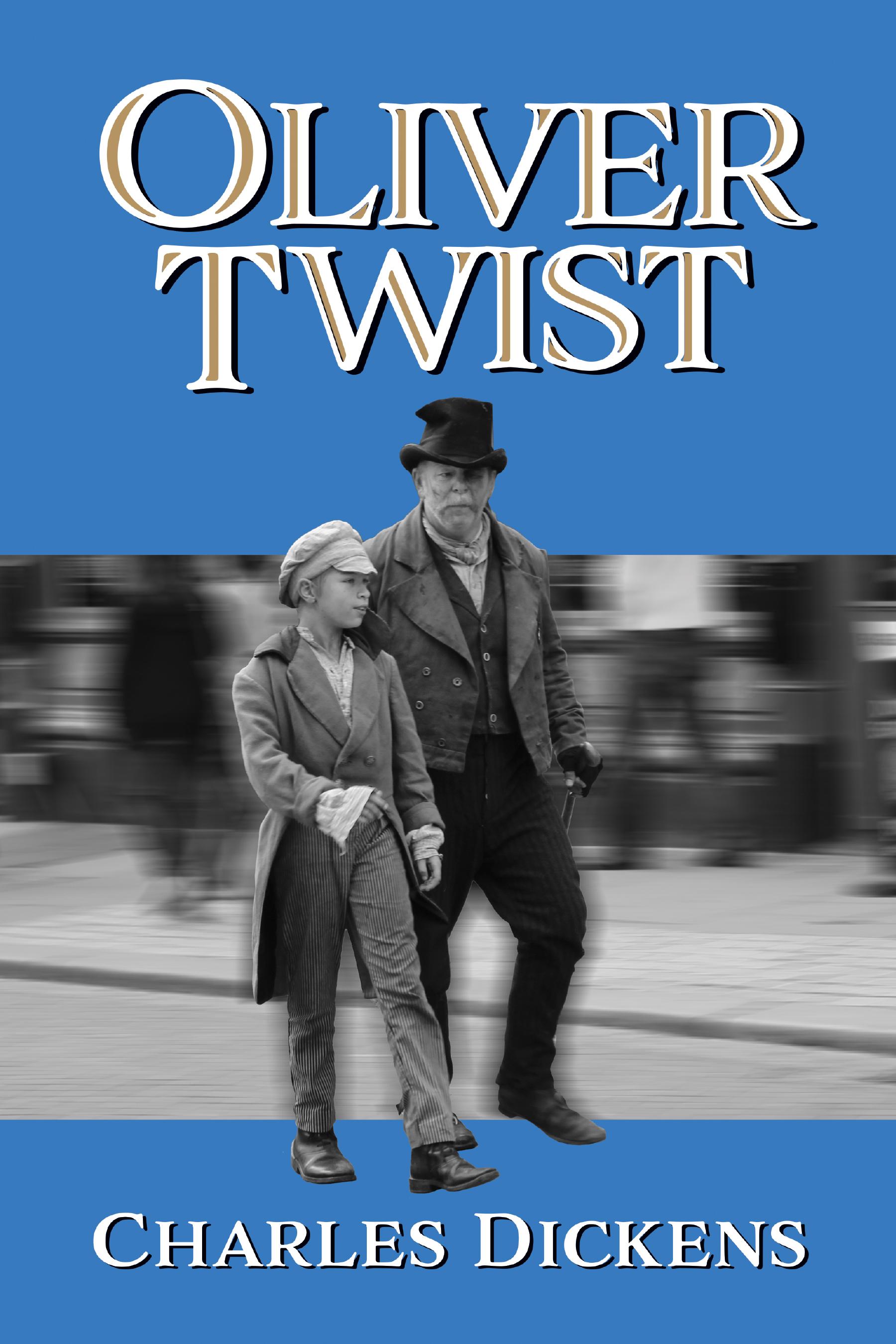
"Oliver Twist is Charles Dickens’ classic tale of an orphan in search of a true home. Facing the harsh reality and cruelty of poverty he is forced to live in a dark and dismal London workhouse run by Mr. Bumble, a cruel man who cheats the boys out of their meager rations. One of the most often quoted lines from the book is "Please, sir, I want some more”. Said by young Oliver to a church workhouse employee, Oliver is not only not given more food, but he is also treated like a dreadful sinner and criminal.
Hungry and desperate, Oliver makes his escape, but being penniless and alone, he is easily lured into a world of crime by Fagin, the mastermind of a gang of young pickpockets.
Luckily, when Oliver is sent on a mission by Fagin, he is rescued by a kindly gentleman. This benefactor takes him in but Oliver finds himself involved in a battle with an evil person and must use his wits to protect himself and others until he ultimately find his place in the world.
The sordid lives of street criminals and the cruel treatment of orphans living in London in the mid-19th century is exposed in Dicken’s story. He satirizes child labor and domestic violence in what is considered to be an early social novel. Dickens himself, spent two years in the workhouse at the age of 12 and missed several years of education. Dickens created some of literature's best-known fictional characters, and is regarded by many as the greatest novelist of the Victorian era.
"Oliver Twist is Charles Dickens’ classic tale of an orphan in search of a true home. Facing the harsh reality and cruelty of poverty he is forced to live in a dark and dismal London workhouse run by Mr. Bumble, a cruel man who cheats the boys out of their meager rations. One of the most often quoted lines from the book is "Please, sir, I want some more”. Said by young Oliver to a church workhouse employee, Oliver is not only not given more food, but he is also treated like a dreadful sinner and criminal.
Hungry and desperate, Oliver makes his escape, but being penniless and alone, he is easily lured into a world of crime by Fagin, the mastermind of a gang of young pickpockets.
Luckily, when Oliver is sent on a mission by Fagin, he is rescued by a kindly gentleman. This benefactor takes him in but Oliver finds himself involved in a battle with an evil person and must use his wits to protect himself and others until he ultimately find his place in the world.
The sordid lives of street criminals and the cruel treatment of orphans living in London in the mid-19th century is exposed in Dicken’s story. He satirizes child labor and domestic violence in what is considered to be an early social novel. Dickens himself, spent two years in the workhouse at the age of 12 and missed several years of education. Dickens created some of literature's best-known fictional characters, and is regarded by many as the greatest novelist of the Victorian era.
Zahle einfach mit Karte, Klarna, Apple Pay oder Google Pay. Nicht zufrieden? Du hast immer ein 14-tägiges Widerrufsrecht. Lies mehr in unseren AGB. Hast du Fragen, schreib uns eine E-Mail an hello@memmo.org.
Memmo macht das Lernen einfacher – wo auch immer du bist. Bei uns findest du deine Kursbücher und smarte Lerntools an einem Ort: Zusammenfassungen, Quizzes, Podcasts und Lernkarten. Und Ted, dein Lernbuddy, beantwortet alles, was du wissen möchtest. Über 50.000 Studierende lernen bereits hier – gemacht, damit du schneller lernst und weniger Stress hast.
Das könnte dir auch gefallen
Buch kaufen0