
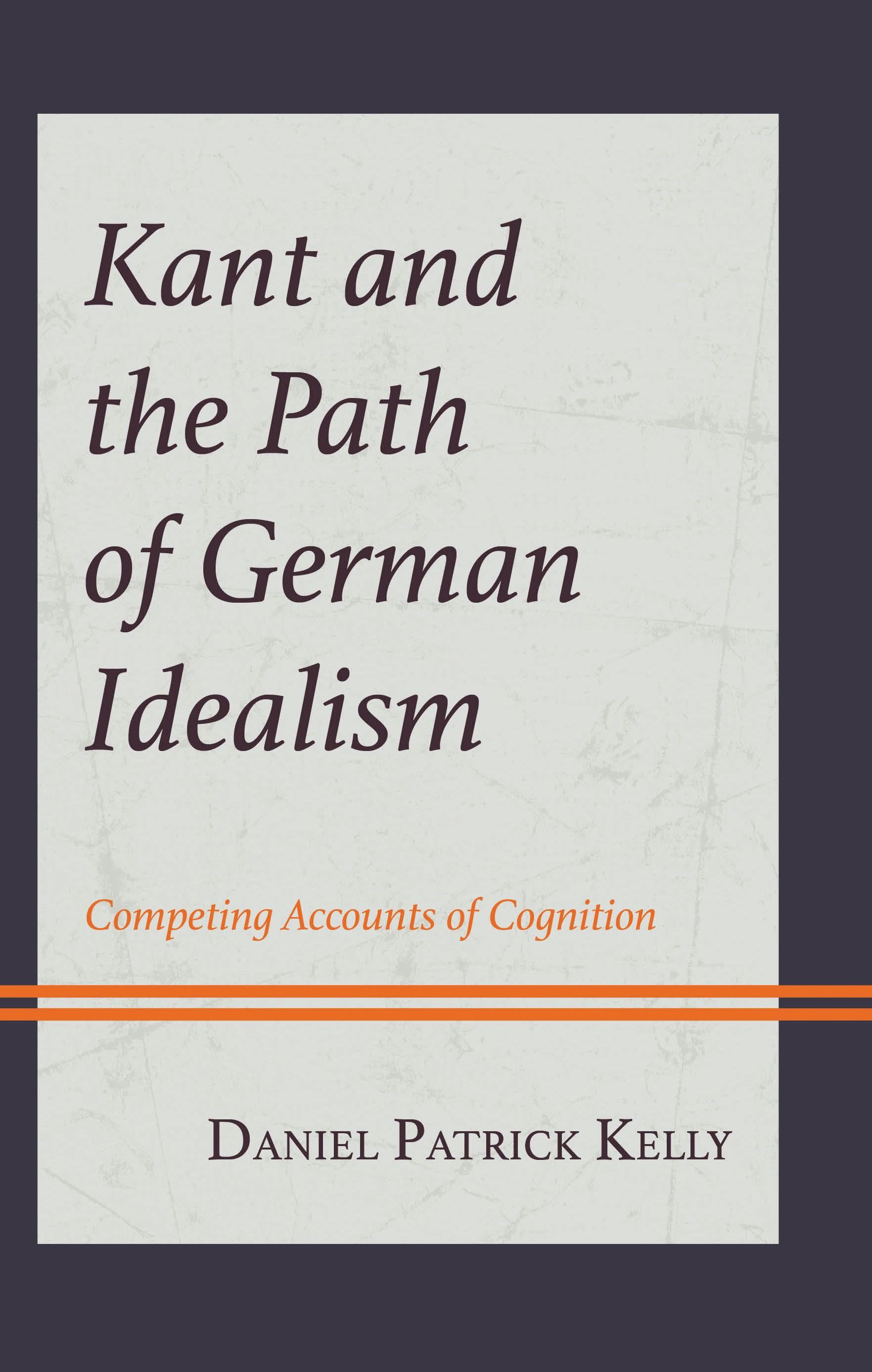
Kant's critical philosophy emerged within a philosophical landscape ripe for change, and it provided an unprecedented blueprint for how to scientifically, ethically, and spiritually reconcile subjective experience within the unique realities of modernity. Nevertheless, Kant's critical system encountered numerous challenges along its path toward influence. Drawing upon key texts from the Golden Age of philosophical scholarship from Kant to Hegel, Kant and the Path of German Idealism illuminates the trajectory of Kant's critical foundation as it was initially received, developed, and ostensibly usurped. What emerges from Daniel Patrick Kelly's reading of this philosophical period is the fundamental centrality of Kant's discursive account of cognition. Kelly contends that the early and steady erosion of the Kantian discursive foundation-which is theoretically central to the strength, integrity, and applicability of the Kantian system-was largely due to persistent Neo-Spinozist developments, misunderstandings of Kant's radical ideas, and the inability of Kant himself to sufficiently defend and further explicate his epistemology. This book also examines the revisionist developments of the immanent systems of Kant's German Idealist successors, presenting their systematic efforts as cautionary tales in their coice to reject Kant's epistemic wisdom.
Zahle einfach mit Karte, Klarna, Apple Pay oder Google Pay. Nicht zufrieden? Du hast immer ein 14-tägiges Widerrufsrecht. Lies mehr in unseren AGB. Hast du Fragen, schreib uns eine E-Mail an hello@memmo.org.
Memmo macht das Lernen einfacher – wo auch immer du bist. Bei uns findest du deine Kursbücher und smarte Lerntools an einem Ort: Zusammenfassungen, Quizzes, Podcasts und Lernkarten. Und Ted, dein Lernbuddy, beantwortet alles, was du wissen möchtest. Über 50.000 Studierende lernen bereits hier – gemacht, damit du schneller lernst und weniger Stress hast.