
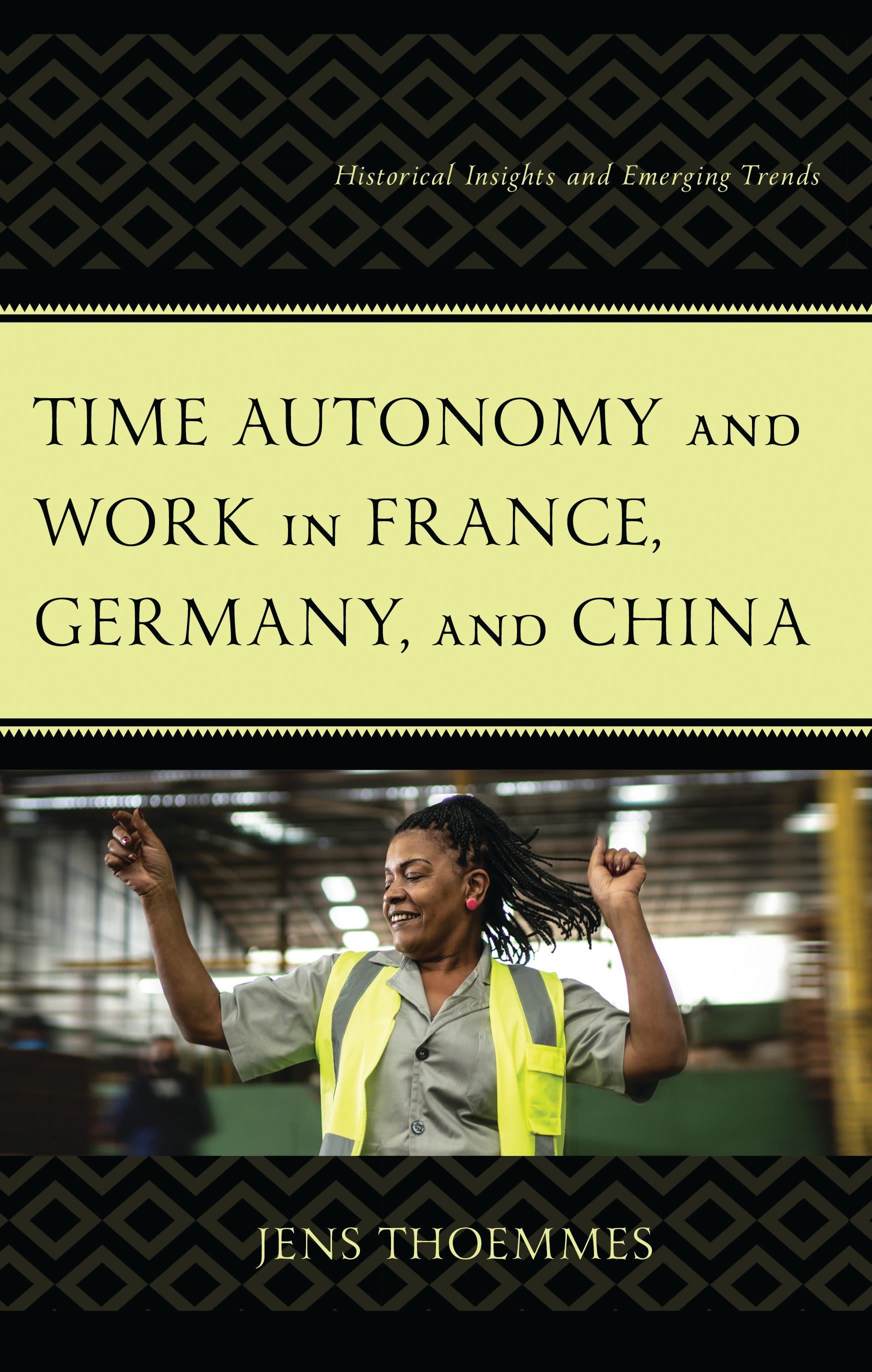
Drawing on case studies from France, Germany, and China, this book argues that the dynamic interactions between time and autonomy have fundamentally reshaped the evolution of work. Jens Thoemmes details how time autonomy transitioned from early efforts to reduce working hours to today’s complex debates about managing work time. Initially focused on reclaiming time from employers during the nineteenth century, time autonomy has broadened to encompass how work integrates into overall social time. Beginning in the late 1960s, new tools like flexitime, time-savings accounts, and telecommuting began aligning employee aspirations with production demands, marking a shift towards more flexible work arrangements. Placing work environments from France, Germany, and China in comparative perspective, this book explores the way time autonomy varies in different workplaces and socioeconomic contexts as well as the conditions, opportunities, and risks involved.
Zahle einfach mit Karte, Klarna, Apple Pay oder Google Pay. Nicht zufrieden? Du hast immer ein 14-tägiges Widerrufsrecht. Lies mehr in unseren AGB. Hast du Fragen, schreib uns eine E-Mail an hello@memmo.org.
Memmo macht das Lernen einfacher – wo auch immer du bist. Bei uns findest du deine Kursbücher und smarte Lerntools an einem Ort: Zusammenfassungen, Quizzes, Podcasts und Lernkarten. Und Ted, dein Lernbuddy, beantwortet alles, was du wissen möchtest. Über 50.000 Studierende lernen bereits hier – gemacht, damit du schneller lernst und weniger Stress hast.