
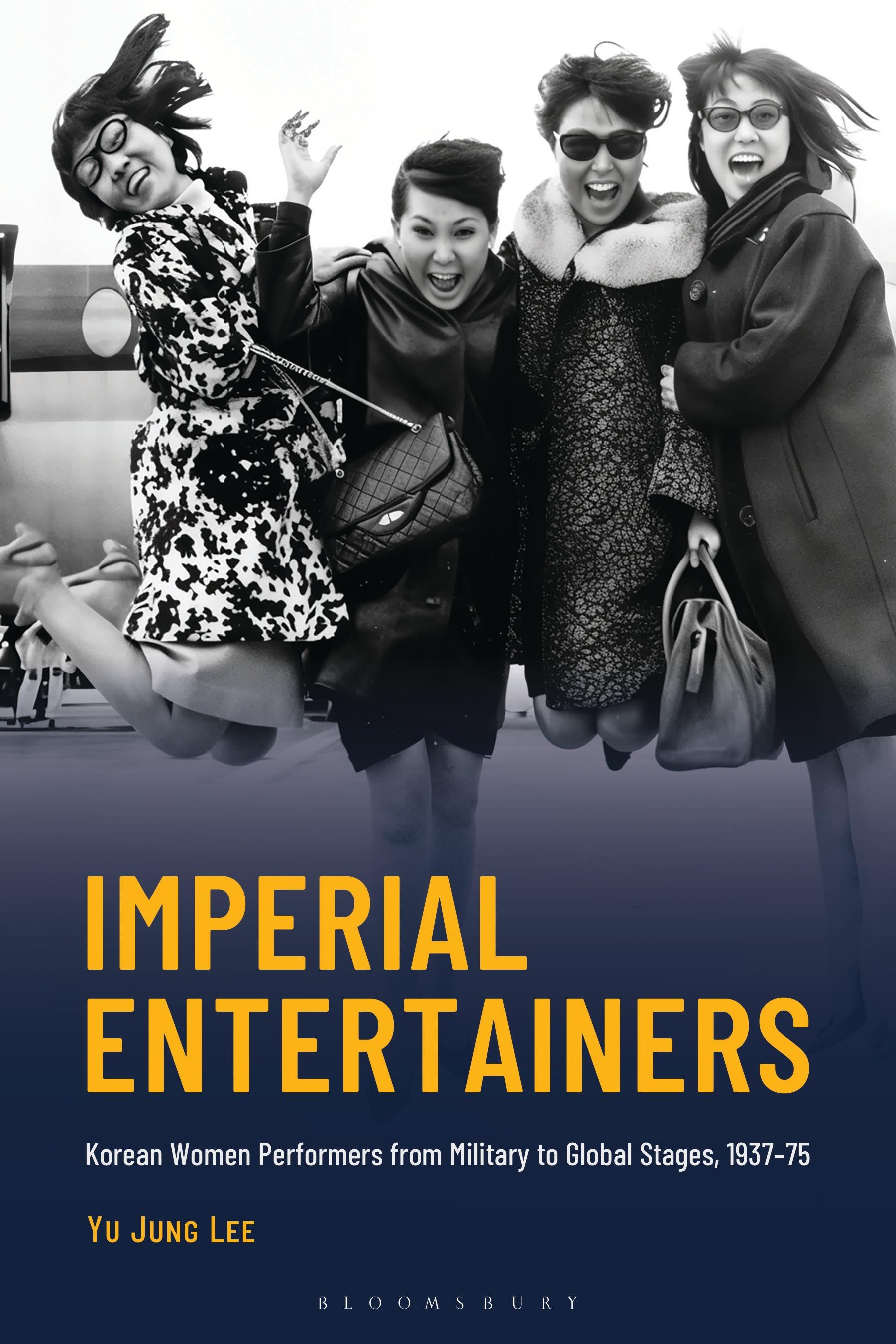
The book uncovers the untold stories of Korean women performers who navigated successive waves of conflict as cultural laborers in military entertainment, offering insight into the intersection of war, gender, and culture in East Asia.
Imperial Entertainers: Korean Women Performers from Military to Global Stages, 1937-75 uncovers the untold stories of Korean women performers who navigated successive waves of conflict - from the Pacific War to the Korean and Vietnam Wars - as cultural laborers in military entertainment. The author traces how these women became central figures in a dynamic entertainment market that emerged across the Asia-Pacific region amid U.S. Military expansion. Through extensive archival research and intimate interviews with former performers, this book reveals how these women skillfully balanced multiple roles: representing South Korea's new identity as a free nation, performing "Americanness" for military audiences, and pursuing their own personal and professional aspirations. From their early performances in EUSAK (Eight United States Army Korea) clubs to their later success in Vietnam War-era entertainment circuits, these entertainers formed a unique labor pool that circulated throughout the militarized zones of Asia. While their performances served American military interests and Cold War cultural diplomacy, these women were not merely passive participants in U.S. hegemony. Instead, they actively shaped their careers, challenged cultural boundaries, and carved out spaces for individual agency within the constraints of military entertainment. By examining these entertainers as cultural laborers with transnational military networks, the author offers new insights into the intersection of war, gender, and cultural labor in East Asia.
Imperial Entertainers: Korean Women Performers from Military to Global Stages, 1937-75 uncovers the untold stories of Korean women performers who navigated successive waves of conflict - from the Pacific War to the Korean and Vietnam Wars - as cultural laborers in military entertainment. The author traces how these women became central figures in a dynamic entertainment market that emerged across the Asia-Pacific region amid U.S. Military expansion. Through extensive archival research and intimate interviews with former performers, this book reveals how these women skillfully balanced multiple roles: representing South Korea's new identity as a free nation, performing "Americanness" for military audiences, and pursuing their own personal and professional aspirations. From their early performances in EUSAK (Eight United States Army Korea) clubs to their later success in Vietnam War-era entertainment circuits, these entertainers formed a unique labor pool that circulated throughout the militarized zones of Asia. While their performances served American military interests and Cold War cultural diplomacy, these women were not merely passive participants in U.S. hegemony. Instead, they actively shaped their careers, challenged cultural boundaries, and carved out spaces for individual agency within the constraints of military entertainment. By examining these entertainers as cultural laborers with transnational military networks, the author offers new insights into the intersection of war, gender, and cultural labor in East Asia.
Zahle einfach mit Karte, Klarna, Apple Pay oder Google Pay. Nicht zufrieden? Du hast immer ein 14-tägiges Widerrufsrecht. Lies mehr in unseren AGB. Hast du Fragen, schreib uns eine E-Mail an hello@memmo.org.
Memmo macht das Lernen einfacher – wo auch immer du bist. Bei uns findest du deine Kursbücher und smarte Lerntools an einem Ort: Zusammenfassungen, Quizzes, Podcasts und Lernkarten. Und Ted, dein Lernbuddy, beantwortet alles, was du wissen möchtest. Über 50.000 Studierende lernen bereits hier – gemacht, damit du schneller lernst und weniger Stress hast.