
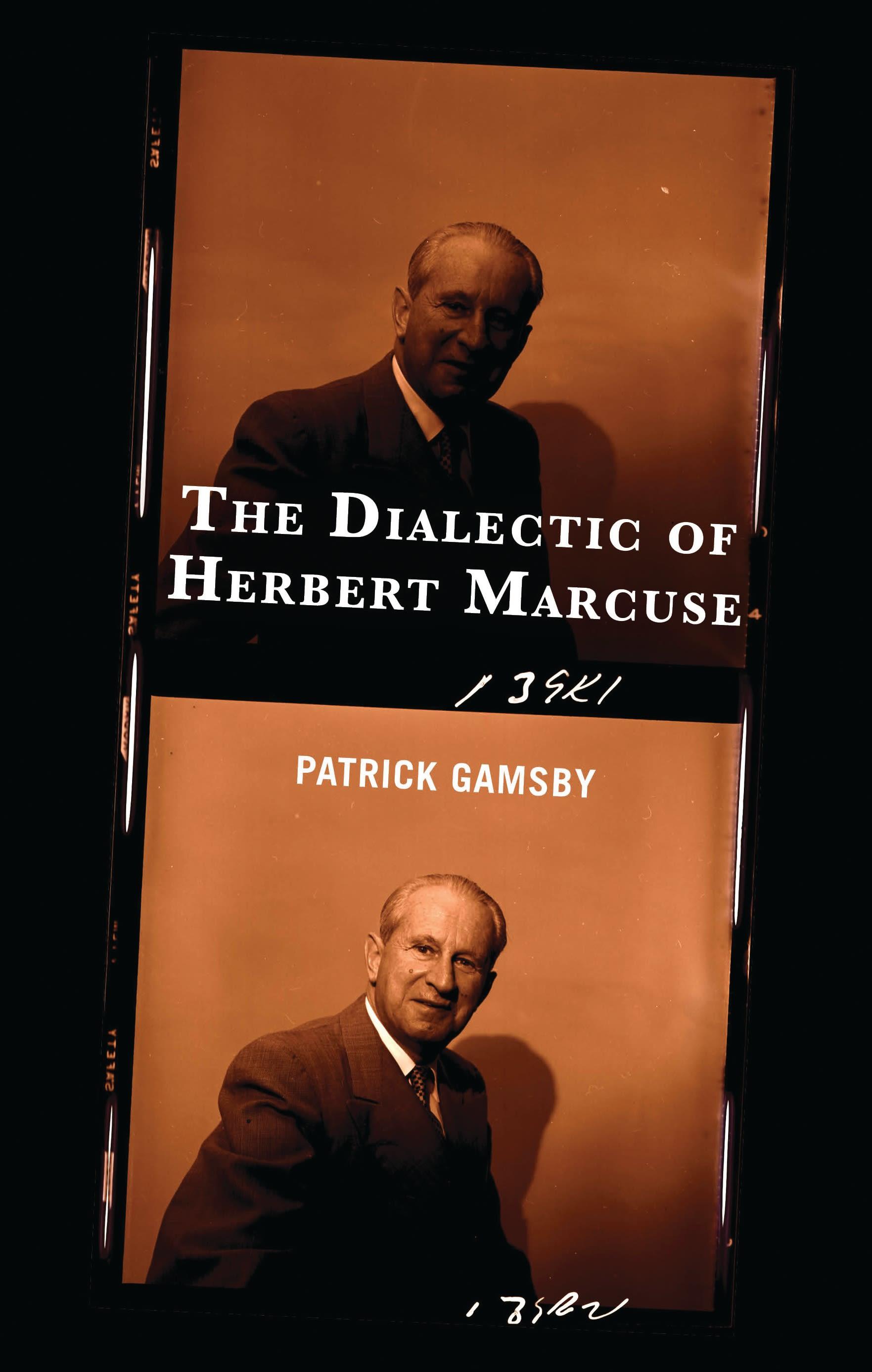
Herbert Marcuse (1898–1979) was one of the most recognizable and controversial public intellectuals throughout the 1960s until his death in the late 1970s, but today Marcuse’s work largely stands in the shadows of other Frankfurt School members and critical thinkers. Despite having once held a prominent and influential position amongst scholars, activists, and readers in the twentieth century, it is argued that Marcuse’s work nevertheless remains largely misunderstood. The Dialectic of Herbert Marcuse offers a new interpretation of Marcuse, one that attempts to show how Marcuse’s work has so often been turned into something else—into its opposite. In shining a light on parts of the unknown Marcuse, through the use of archival material and published works, this book reveals Marcuse’s Critical Theory to be one of hope, not one of pessimism, as it is so often portrayed to be. Ultimately, it is argued that Marcuse’s Critical Theory remains a vital and important body of work for present-day society and ought to be revisited.
Zahle einfach mit Karte, Klarna, Apple Pay oder Google Pay. Nicht zufrieden? Du hast immer ein 14-tägiges Widerrufsrecht. Lies mehr in unseren AGB. Hast du Fragen, schreib uns eine E-Mail an hello@memmo.org.
Memmo macht das Lernen einfacher – wo auch immer du bist. Bei uns findest du deine Kursbücher und smarte Lerntools an einem Ort: Zusammenfassungen, Quizzes, Podcasts und Lernkarten. Und Ted, dein Lernbuddy, beantwortet alles, was du wissen möchtest. Über 50.000 Studierende lernen bereits hier – gemacht, damit du schneller lernst und weniger Stress hast.