
A 2023 Choice Reviews Outstanding Academic Title
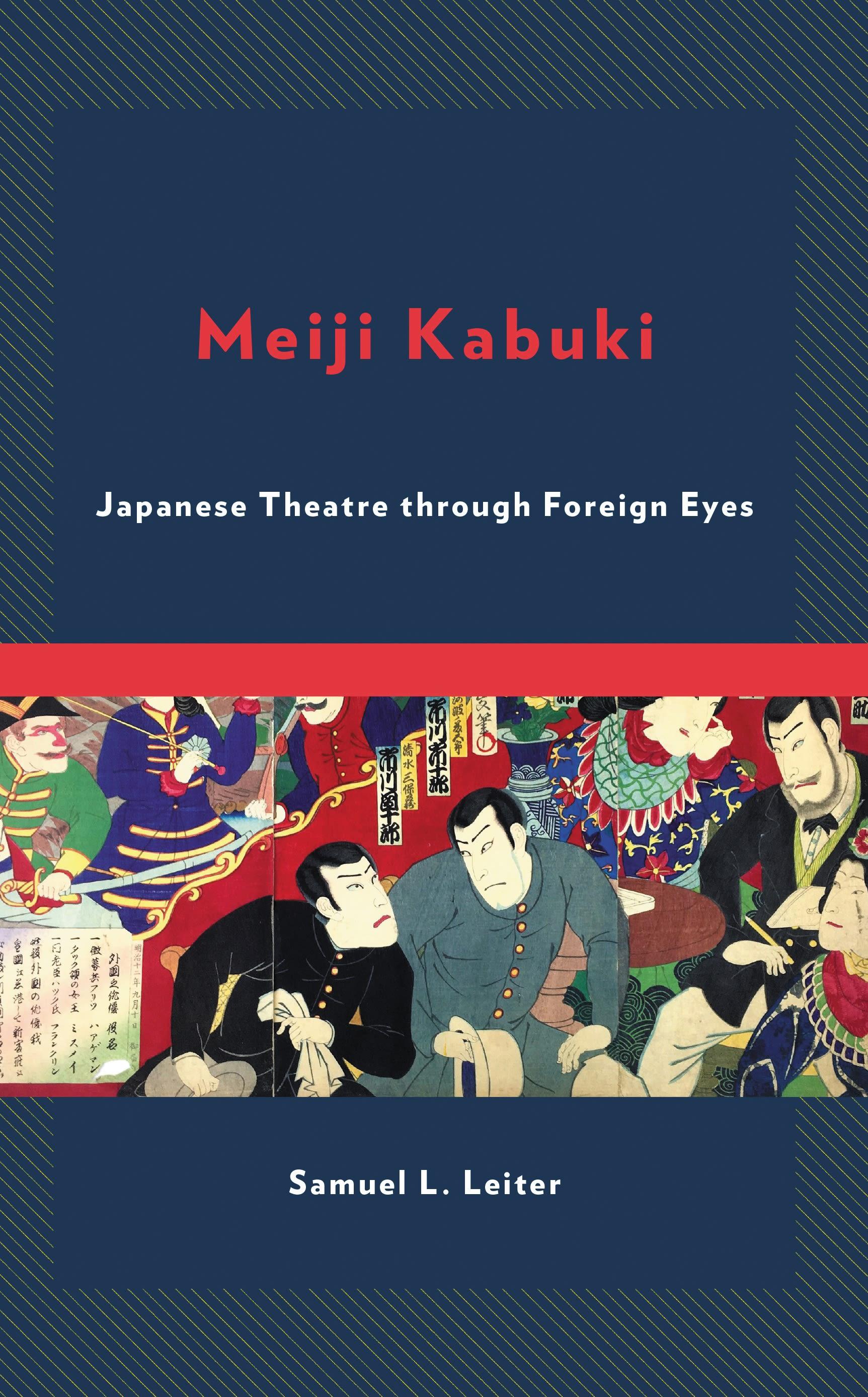
This book is an annotated collection of English-language documents by foreigners writing about Japan’s kabuki theatre in the half-century after the country was opened to the West in 1853. Using memoirs, travelogues, diaries, letters, and reference books, it contains all significant writing about kabuki by foreigners—resident or transient—during the Meiji period (1868–1912), well before the first substantial non-Japanese book on the subject was published. Its chronologically organized chapters contain detailed introductions. Twenty-seven authors, represented by edited versions of their essays, are supplemented by detailed summaries of thirty-five others. The author provides insights into how Western visitors—missionaries, scholars, diplomats, military officers, adventurers, globetrotters, and even a precocious teenage girl—responded to a world-class theatre that, apart from a tiny number of pre-Meiji encounters, had been hidden from the world at large for over two centuries. It reveals prejudices and misunderstandings, but also demonstrates the power of great theatre to bring together people of differing cultural backgrounds despite the barriers of language, artistic convention, and the very practice of theatergoing. And, in Ichikawa Danjuro IX, it presents an actor knowledgeable foreigners considered one of the finest in the world.
This book is an annotated collection of English-language documents by foreigners writing about Japan’s kabuki theatre in the half-century after the country was opened to the West in 1853. Using memoirs, travelogues, diaries, letters, and reference books, it contains all significant writing about kabuki by foreigners—resident or transient—during the Meiji period (1868–1912), well before the first substantial non-Japanese book on the subject was published. Its chronologically organized chapters contain detailed introductions. Twenty-seven authors, represented by edited versions of their essays, are supplemented by detailed summaries of thirty-five others. The author provides insights into how Western visitors—missionaries, scholars, diplomats, military officers, adventurers, globetrotters, and even a precocious teenage girl—responded to a world-class theatre that, apart from a tiny number of pre-Meiji encounters, had been hidden from the world at large for over two centuries. It reveals prejudices and misunderstandings, but also demonstrates the power of great theatre to bring together people of differing cultural backgrounds despite the barriers of language, artistic convention, and the very practice of theatergoing. And, in Ichikawa Danjuro IX, it presents an actor knowledgeable foreigners considered one of the finest in the world.
Zahle einfach mit Karte, Klarna, Apple Pay oder Google Pay. Nicht zufrieden? Du hast immer ein 14-tägiges Widerrufsrecht. Lies mehr in unseren AGB. Hast du Fragen, schreib uns eine E-Mail an hello@memmo.org.
Memmo macht das Lernen einfacher – wo auch immer du bist. Bei uns findest du deine Kursbücher und smarte Lerntools an einem Ort: Zusammenfassungen, Quizzes, Podcasts und Lernkarten. Und Ted, dein Lernbuddy, beantwortet alles, was du wissen möchtest. Über 50.000 Studierende lernen bereits hier – gemacht, damit du schneller lernst und weniger Stress hast.