
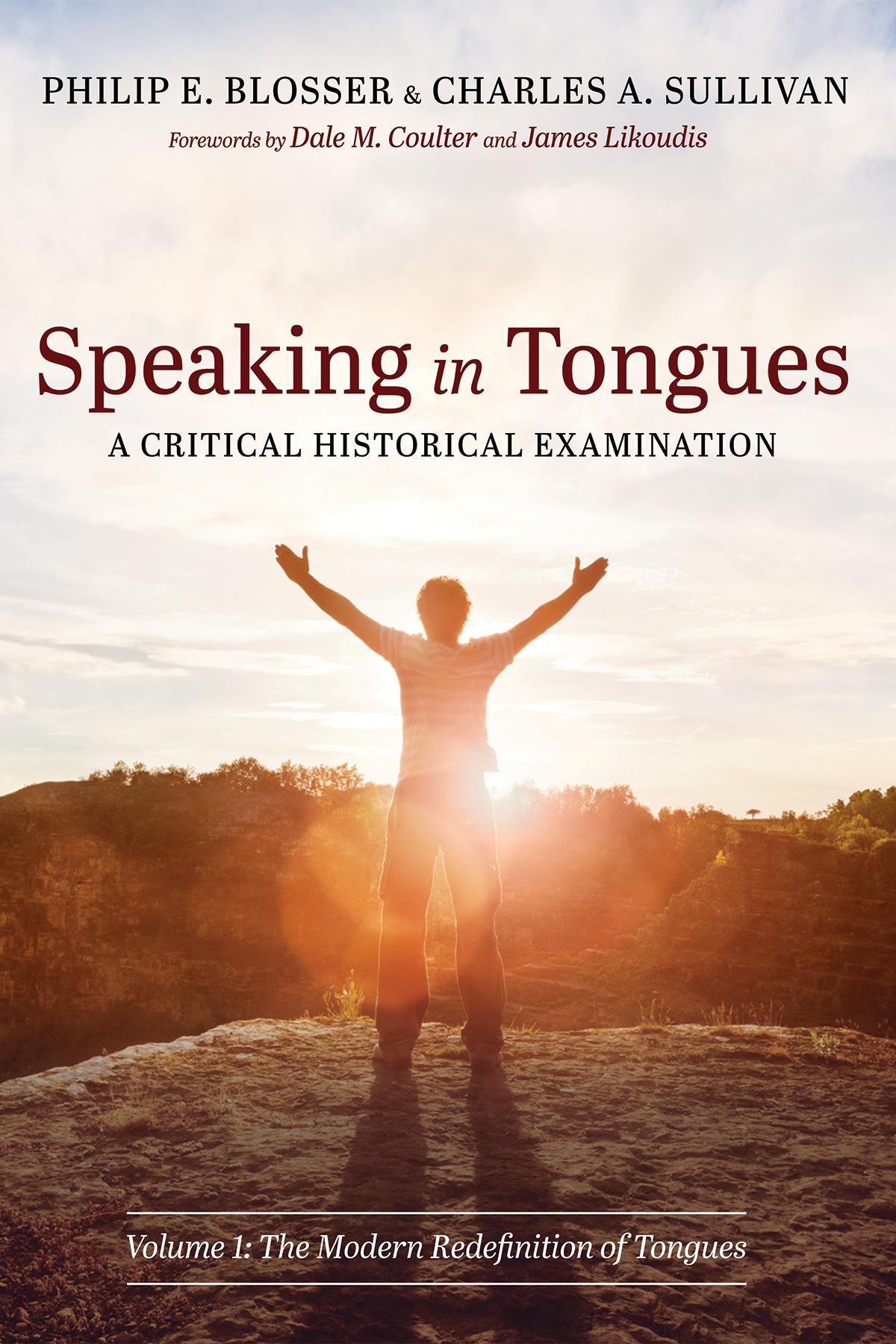
In three carefully researched volumes, this ground-breaking study examines the gift of tongues through 2,000 years of church history. Starting in the present and working back in time, these volumes consider (1) the modern redefinition of "tongues" as a private prayer language; (2) the church's perennial understanding of "tongues" as ordinary human languages; and (3) the Corinthian "tongues," which, in light of Jewish liturgical tradition, turn out to have been a foreign liturgical language (Hebrew or Aramaic) requiring bilingual interpreters.
In the first volume, the authors establish that modern glossolalia, far from being a supernatural gift enjoyed by certain believers since the time of Pentecost and undergoing a resurgence in modern times, has no precedent in church life prior to the nineteenth century. They discuss why German theologians, responding to the Irvingite revival, coined the term "glossolalia" in the 1830s; why Pentecostals between 1906-8 quietly began redefining "tongues" to mean a heavenly language unintelligible to human beings but pleasing to God, instead of foreign languages useful for evangelism; why Protestant cessationists believed miraculous tongues had ceased; and why interpolated idioms like "unknown tongues" in Protestant Bibles were aimed originally at Rome's use of Latin.
Zahle einfach mit Karte, Klarna, Apple Pay oder Google Pay. Nicht zufrieden? Du hast immer ein 14-tägiges Widerrufsrecht. Lies mehr in unseren AGB. Hast du Fragen, schreib uns eine E-Mail an hello@memmo.org.
Memmo macht das Lernen einfacher – wo auch immer du bist. Bei uns findest du deine Kursbücher und smarte Lerntools an einem Ort: Zusammenfassungen, Quizzes, Podcasts und Lernkarten. Und Ted, dein Lernbuddy, beantwortet alles, was du wissen möchtest. Über 50.000 Studierende lernen bereits hier – gemacht, damit du schneller lernst und weniger Stress hast.
Das könnte dir auch gefallen
Buch kaufen0