
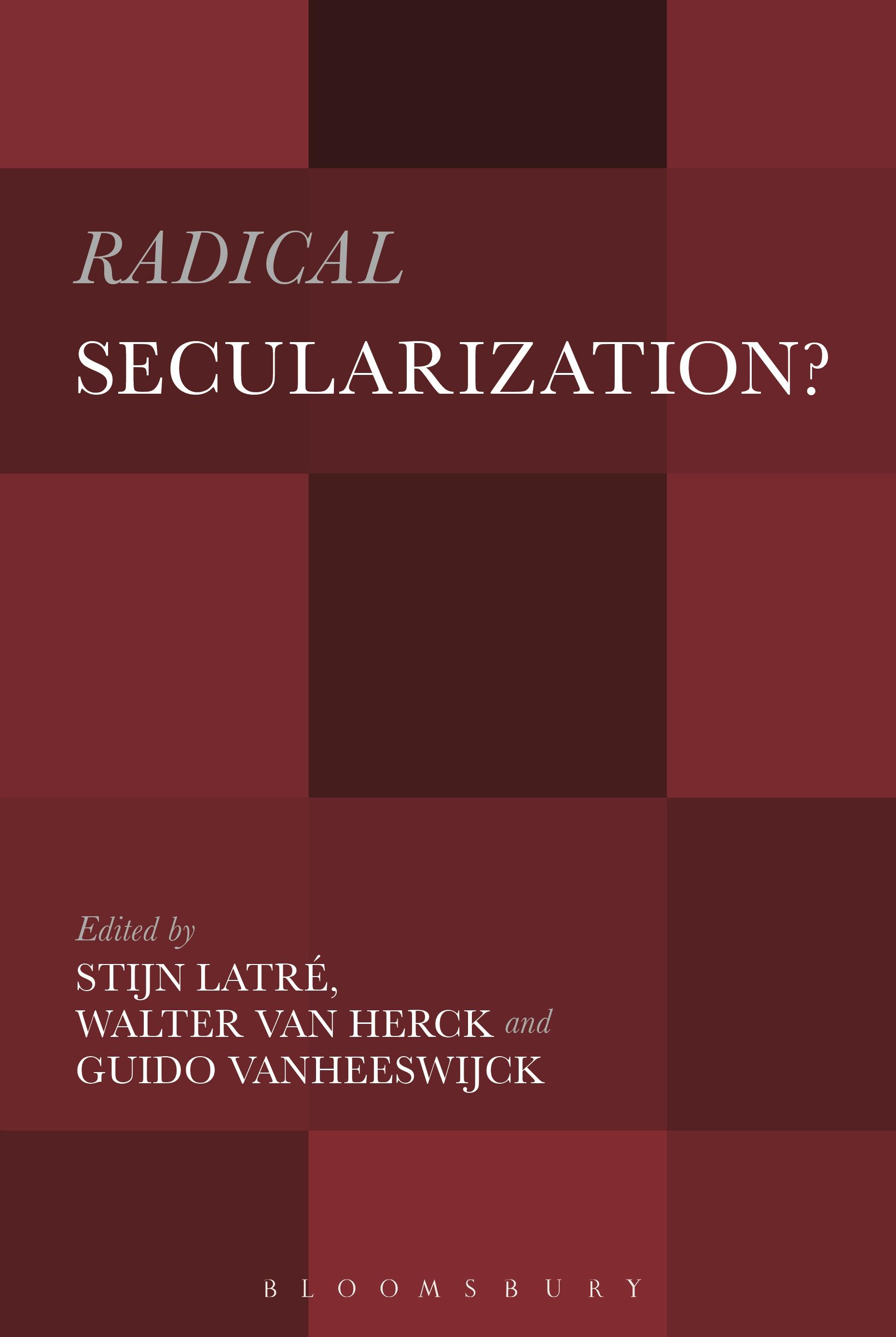
What does it mean for a society to be secular? Answering this question from a philosophical angle, Radical Secularization? delves into the philosophical presuppositions of secularization. Which cultural evolutions made secularization possible? International scholars from different disciplines assess the answers given by many leading philosophers such as, among others, Löwith, Blumenberg and Habermas (Germany), Gauchet and Nancy (France), Taylor and Bellah (North America). They examine the theory that secularization cannot only be regarded as a cultural change that was forced upon religion from an external source (e.g. science), but should also be considered as a phenomenon triggered by motives internal to religion. If religions are indeed capable of inner transformations, the question arises whether religions can persist in the secular societies they inadvertently helped to bring about, and how secular societies may accommodate religion.
Zahle einfach mit Karte, Klarna, Apple Pay oder Google Pay. Nicht zufrieden? Du hast immer ein 14-tägiges Widerrufsrecht. Lies mehr in unseren AGB. Hast du Fragen, schreib uns eine E-Mail an hello@memmo.org.
Memmo macht das Lernen einfacher – wo auch immer du bist. Bei uns findest du deine Kursbücher und smarte Lerntools an einem Ort: Zusammenfassungen, Quizzes, Podcasts und Lernkarten. Und Ted, dein Lernbuddy, beantwortet alles, was du wissen möchtest. Über 50.000 Studierende lernen bereits hier – gemacht, damit du schneller lernst und weniger Stress hast.