
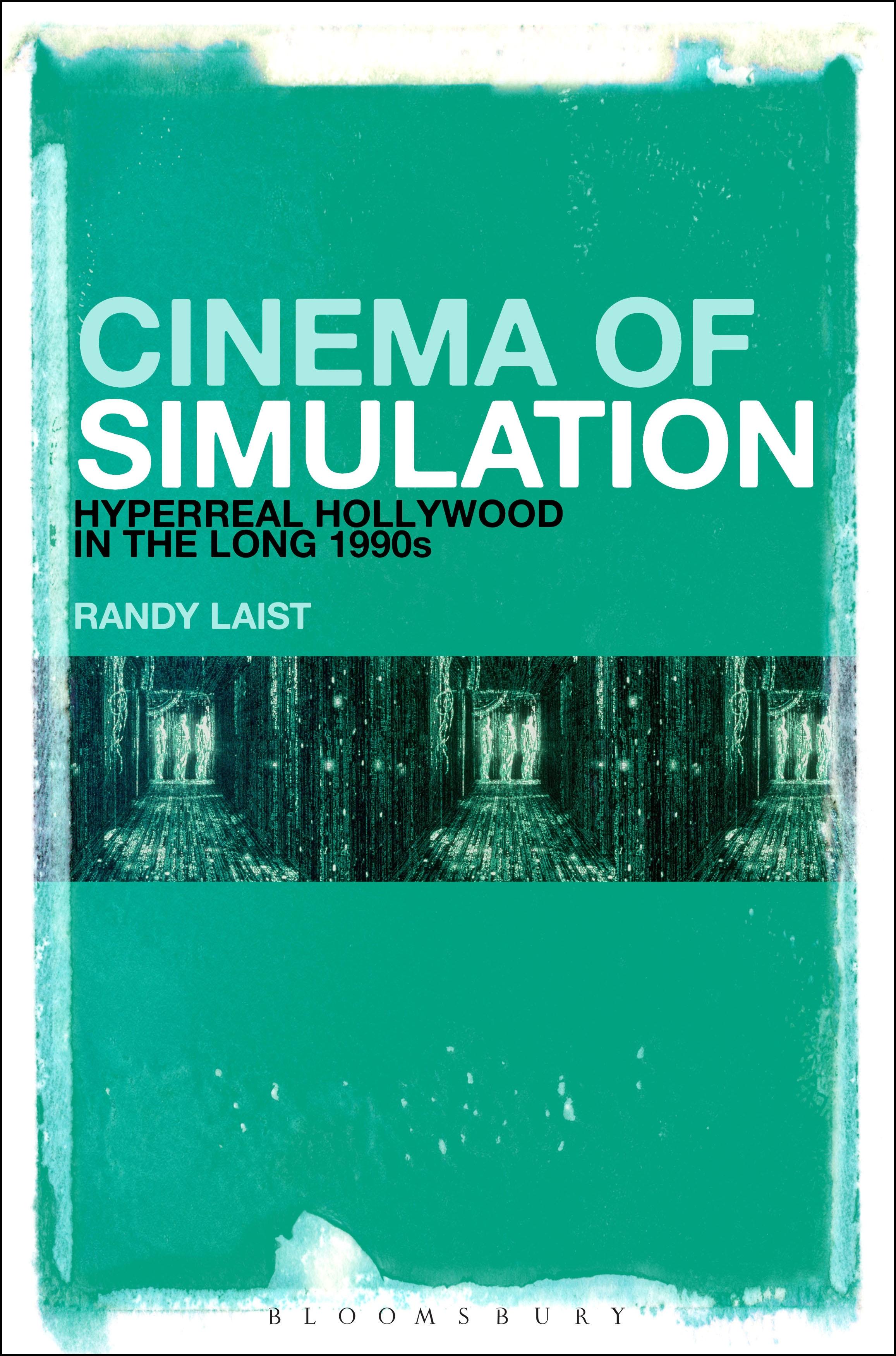
Hyperreality is an Alice-in-Wonderland dimension where copies have no originals, simulation is more real than reality, and living dreams undermine the barriers between imagination and objective experience. The most prominent philosopher of the hyperreal, Jean Baudrillard, formulated his concept of hyperreality throughout the 1980s, but it was not until the 1990s that the end of the Cold War, along with the proliferation of new reality-bending technologies, made hyperreality seem to come true. In the “lost decade” between the fall of the Berlin Wall and 9/11, the nature of reality itself became a source of uncertainty, a psychic condition that has been recognizably recorded by that seismograph of American consciousness, Hollywood cinema.
The auteur cinema of the 1970s aimed for gritty realism, and the most prominent feature of Reagan-era cinema was its fantastic unrealism. Clinton-era cinema, however, is characterized by a prevailing mood of hyperrealism, communicated in various ways by such benchmark films as JFK, Pulp Fiction, and The Matrix. The hyperreal cinema of the 1990s conceives of the movie screen as neither a window on a preexisting social reality (realism), nor as a wormhole into a fantastic dream-dimension (escapism), but as an arena in which images and reality exchange masks, blend into one another, and challenge the philosophical premises which differentiate them from one another. Cinema of Simulation: Hyperreal Hollywood in the Long 1990s provides a guided tour through the anxieties and fantasies, reciprocally social and cinematic, which characterize the surreal territory of the hyperreal.
The auteur cinema of the 1970s aimed for gritty realism, and the most prominent feature of Reagan-era cinema was its fantastic unrealism. Clinton-era cinema, however, is characterized by a prevailing mood of hyperrealism, communicated in various ways by such benchmark films as JFK, Pulp Fiction, and The Matrix. The hyperreal cinema of the 1990s conceives of the movie screen as neither a window on a preexisting social reality (realism), nor as a wormhole into a fantastic dream-dimension (escapism), but as an arena in which images and reality exchange masks, blend into one another, and challenge the philosophical premises which differentiate them from one another. Cinema of Simulation: Hyperreal Hollywood in the Long 1990s provides a guided tour through the anxieties and fantasies, reciprocally social and cinematic, which characterize the surreal territory of the hyperreal.
Seiten: 272
Kategorie: Film- & Medievetenskap
e-ISBN: 9781628920819
Versandgewicht: 1.2 kg
Versand in: 1-2 Tage
Zahle einfach mit Karte, Klarna, Apple Pay oder Google Pay. Nicht zufrieden? Du hast immer ein 14-tägiges Widerrufsrecht. Lies mehr in unseren AGB. Hast du Fragen, schreib uns eine E-Mail an hello@memmo.org.
Memmo macht das Lernen einfacher – wo auch immer du bist. Bei uns findest du deine Kursbücher und smarte Lerntools an einem Ort: Zusammenfassungen, Quizzes, Podcasts und Lernkarten. Und Ted, dein Lernbuddy, beantwortet alles, was du wissen möchtest. Über 50.000 Studierende lernen bereits hier – gemacht, damit du schneller lernst und weniger Stress hast.