
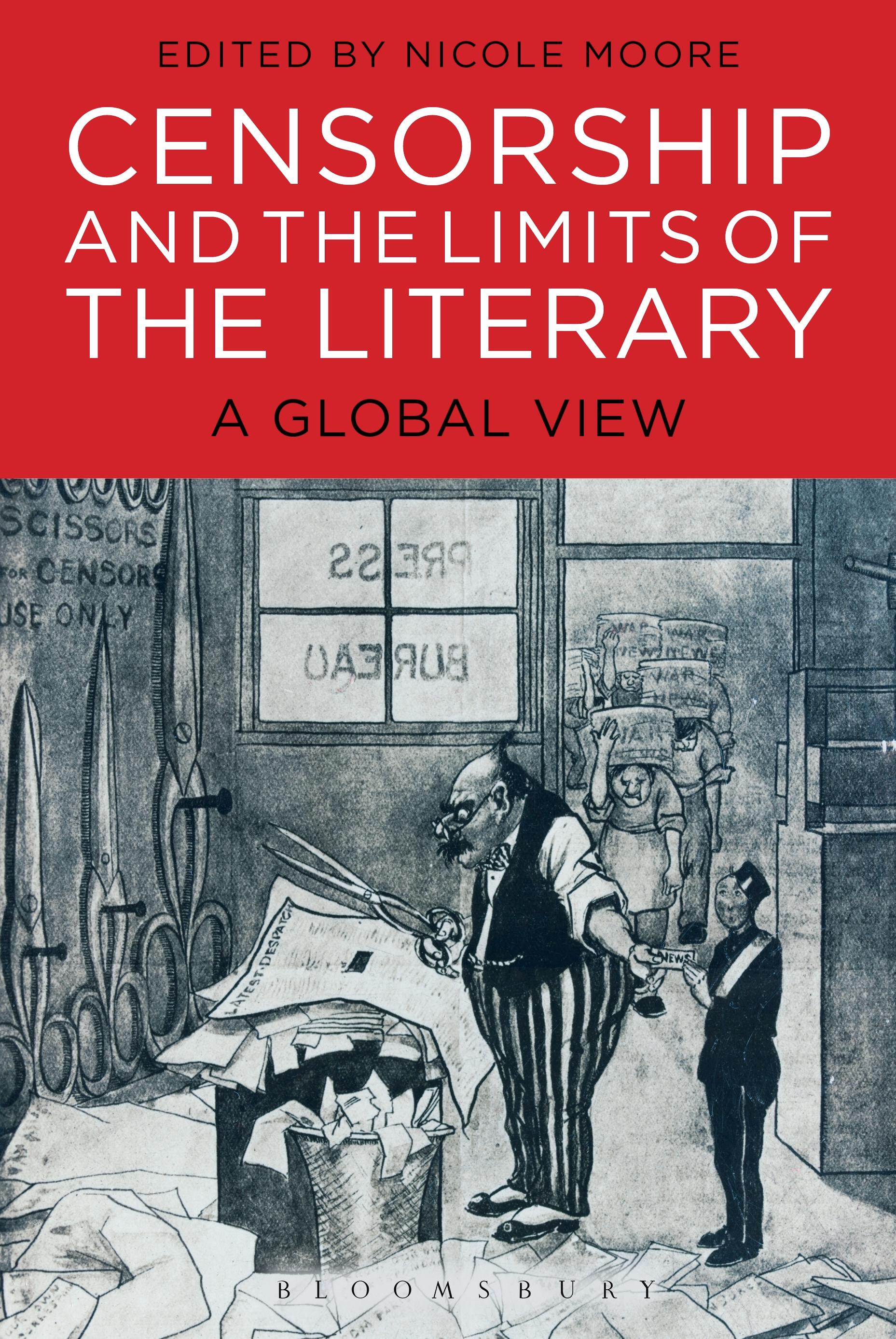
Though literature and censorship have been conceived as long-time adversaries, this collection seeks to understand the degree to which they have been dialectical terms, each producing the other, coeval and mutually constitutive.
On the one hand, literary censorship has been posited as not only inescapable but definitive, even foundational to speech itself. One the other, especially after the opening of the USSR's spekstrahn, those enormous collections of literature forbidden under the Soviets, the push to redefine censorship expansively has encountered cogent criticism. Scholars describing the centralised control of East German print publication, for example, have wanted to insist on the difference of pre-publication state censorship from more mundane forms of speech regulation in democracies. Work on South African apartheid censorship and book banning in colonial countries also demonstrates censorship's formative role in the institutional structures of literature beyond the metropole. Censorship and the Limits of the Literary examines these and other developments across twelve countries, from the Enlightenment to the present day, offering case studies from the French revolution to Internet China. Is literature ever without censorship? Does censorship need the literary? In a globalizing era for culture, does censorship represent the final, failed version of national control?
On the one hand, literary censorship has been posited as not only inescapable but definitive, even foundational to speech itself. One the other, especially after the opening of the USSR's spekstrahn, those enormous collections of literature forbidden under the Soviets, the push to redefine censorship expansively has encountered cogent criticism. Scholars describing the centralised control of East German print publication, for example, have wanted to insist on the difference of pre-publication state censorship from more mundane forms of speech regulation in democracies. Work on South African apartheid censorship and book banning in colonial countries also demonstrates censorship's formative role in the institutional structures of literature beyond the metropole. Censorship and the Limits of the Literary examines these and other developments across twelve countries, from the Enlightenment to the present day, offering case studies from the French revolution to Internet China. Is literature ever without censorship? Does censorship need the literary? In a globalizing era for culture, does censorship represent the final, failed version of national control?
Seiten: 224
Kategorie: Litteraturvetenskap & Teori
e-ISBN: 9781628920109
Versandgewicht: 1.2 kg
Versand in: 1-2 Tage
Zahle einfach mit Karte, Klarna, Apple Pay oder Google Pay. Nicht zufrieden? Du hast immer ein 14-tägiges Widerrufsrecht. Lies mehr in unseren AGB. Hast du Fragen, schreib uns eine E-Mail an hello@memmo.org.
Memmo macht das Lernen einfacher – wo auch immer du bist. Bei uns findest du deine Kursbücher und smarte Lerntools an einem Ort: Zusammenfassungen, Quizzes, Podcasts und Lernkarten. Und Ted, dein Lernbuddy, beantwortet alles, was du wissen möchtest. Über 50.000 Studierende lernen bereits hier – gemacht, damit du schneller lernst und weniger Stress hast.