
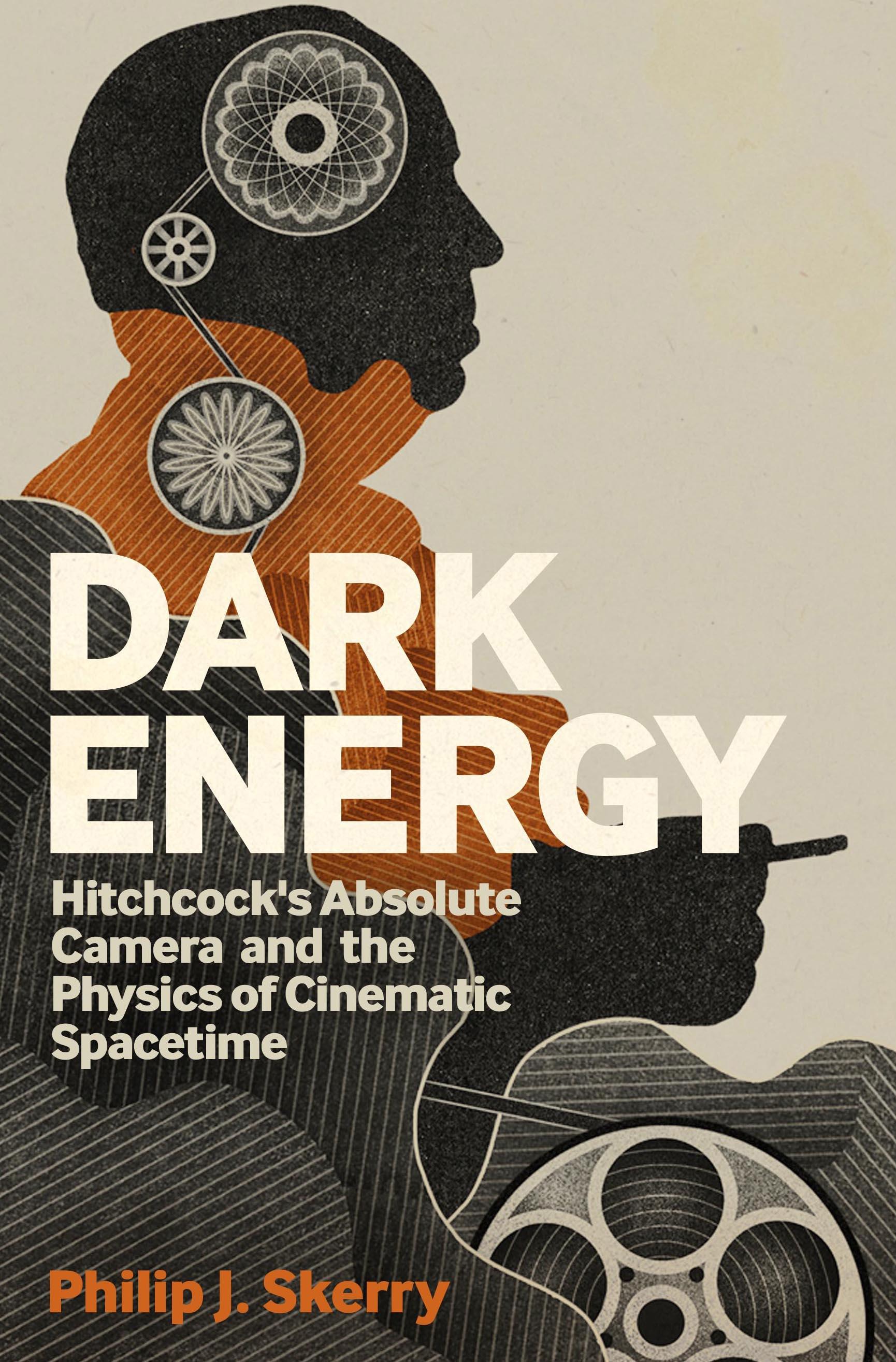
Alfred Hitchcock and the cinema grew up together. Born in 1899, four years after the first 'official' film showing in Paris, Hitchcock demonstrated an early fascination with the new art of the cinema. He entered the film industry in 1920, and by 1925, he had directed his first feature-length film, The Pleasure Garden. His subsequent film career paralleled the phenomenal growth of the film industry during the years 1925-1976, the year of his last film. In the same way, Hitchcock's films are consonant with the revolutionary theories in the fields of physics and cosmology that were transforming the twentieth century, personified by the genius of Albert Einstein.
Philip Skerry's book applies the theories of dark energy, entropy, black holes, and quantum mechanics to Hitchcock's technological genius and camera aesthetics, helping to explain the concept of 'pure cinema' and providing verification for its remarkable power. Including interviews with influential physicists, this study opens up new ways of analyzing Hitchcock's art.
Philip Skerry's book applies the theories of dark energy, entropy, black holes, and quantum mechanics to Hitchcock's technological genius and camera aesthetics, helping to explain the concept of 'pure cinema' and providing verification for its remarkable power. Including interviews with influential physicists, this study opens up new ways of analyzing Hitchcock's art.
Zahle einfach mit Karte, Klarna, Apple Pay oder Google Pay. Nicht zufrieden? Du hast immer ein 14-tägiges Widerrufsrecht. Lies mehr in unseren AGB. Hast du Fragen, schreib uns eine E-Mail an hello@memmo.org.
Memmo macht das Lernen einfacher – wo auch immer du bist. Bei uns findest du deine Kursbücher und smarte Lerntools an einem Ort: Zusammenfassungen, Quizzes, Podcasts und Lernkarten. Und Ted, dein Lernbuddy, beantwortet alles, was du wissen möchtest. Über 50.000 Studierende lernen bereits hier – gemacht, damit du schneller lernst und weniger Stress hast.