
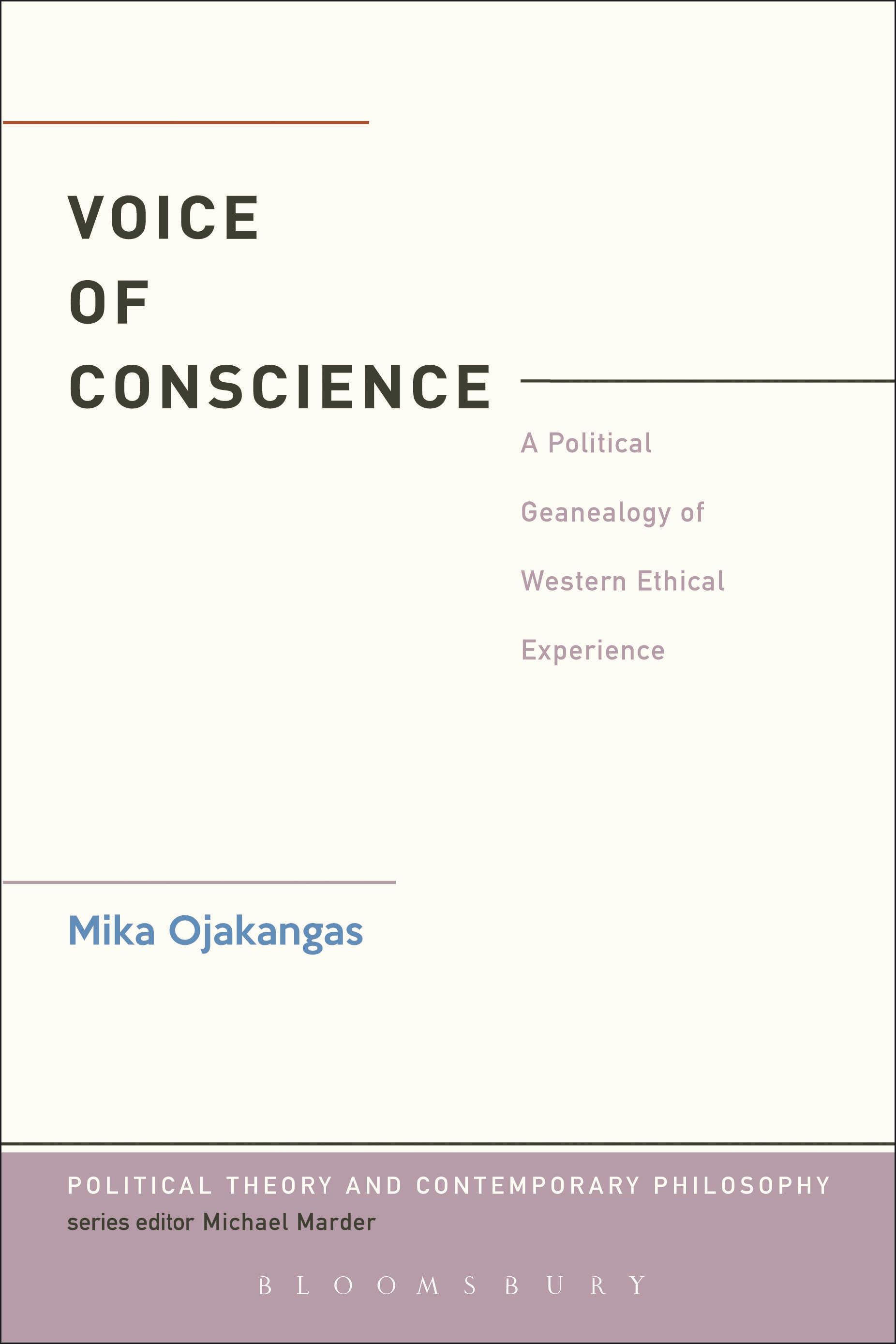
In Western thought, it has been persistently assumed that in moral and political matters, people should rely on the inner voice of conscience rather than on external authorities, laws, and regulations. This volume investigates this concept, examining the development of the Western politics of conscience, from Socrates to the present, and the formation of the Western ethico-political subject.
The work opens with a discussion of the ambiguous role of conscience in politics, contesting the claim that it is the best defense against totalitarianism. It then look back at canonical authors, from the Church Fathers and Luther to Rousseau and Derrida, to show how the experience of conscience constitutes the foundation of Western ethics and politics.
This unique work not only synthesizes philosophical and political insights, but also pays attention to political theology to provide a compelling and innovative argument that the experience of conscience has always been at the core of the political Western tradition. An engaging and accessible text, it will appeal to political theorists and philosophers as well as theologians and those interested in the critique of the Western civilization.
The work opens with a discussion of the ambiguous role of conscience in politics, contesting the claim that it is the best defense against totalitarianism. It then look back at canonical authors, from the Church Fathers and Luther to Rousseau and Derrida, to show how the experience of conscience constitutes the foundation of Western ethics and politics.
This unique work not only synthesizes philosophical and political insights, but also pays attention to political theology to provide a compelling and innovative argument that the experience of conscience has always been at the core of the political Western tradition. An engaging and accessible text, it will appeal to political theorists and philosophers as well as theologians and those interested in the critique of the Western civilization.
Zahle einfach mit Karte, Klarna, Apple Pay oder Google Pay. Nicht zufrieden? Du hast immer ein 14-tägiges Widerrufsrecht. Lies mehr in unseren AGB. Hast du Fragen, schreib uns eine E-Mail an hello@memmo.org.
Memmo macht das Lernen einfacher – wo auch immer du bist. Bei uns findest du deine Kursbücher und smarte Lerntools an einem Ort: Zusammenfassungen, Quizzes, Podcasts und Lernkarten. Und Ted, dein Lernbuddy, beantwortet alles, was du wissen möchtest. Über 50.000 Studierende lernen bereits hier – gemacht, damit du schneller lernst und weniger Stress hast.